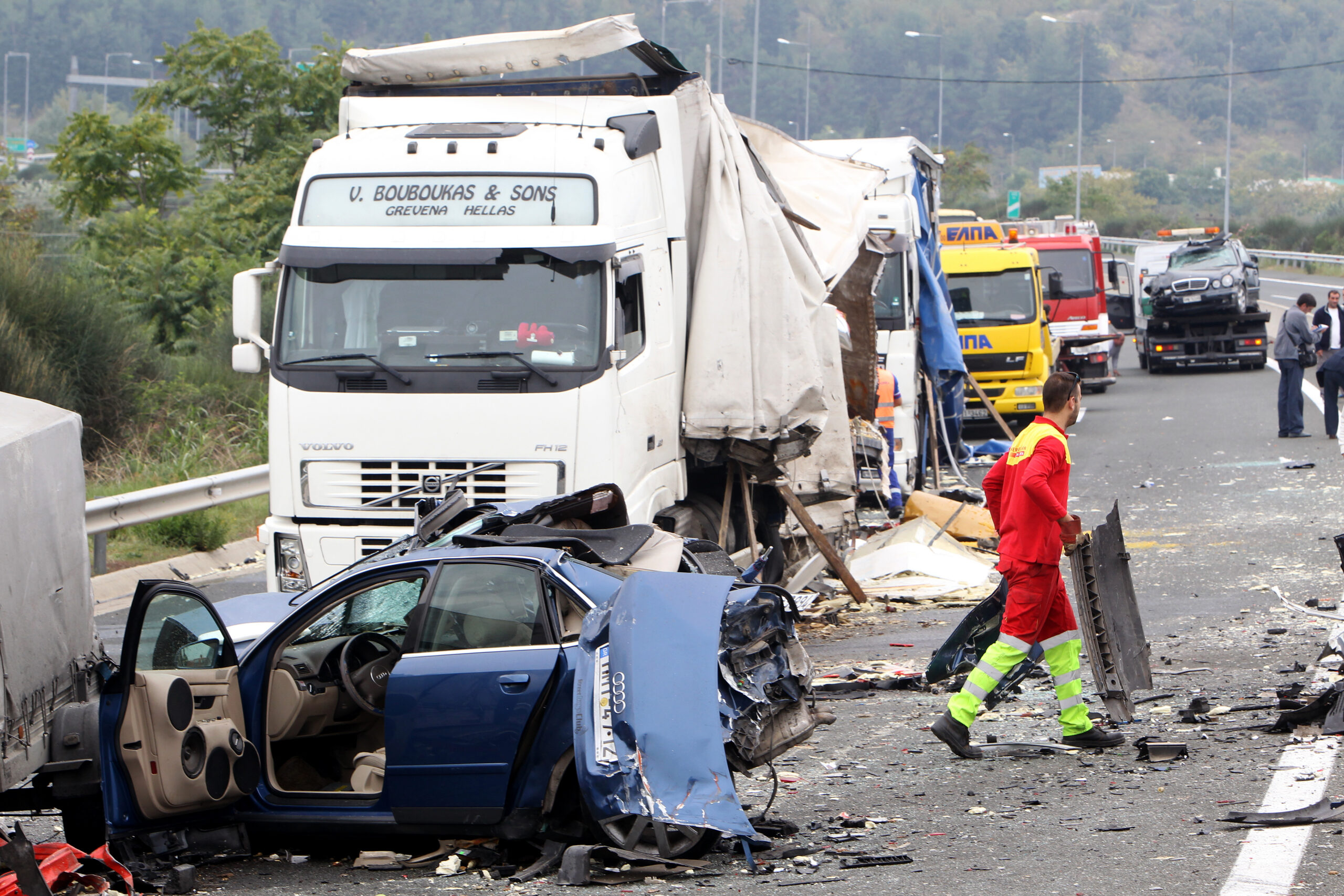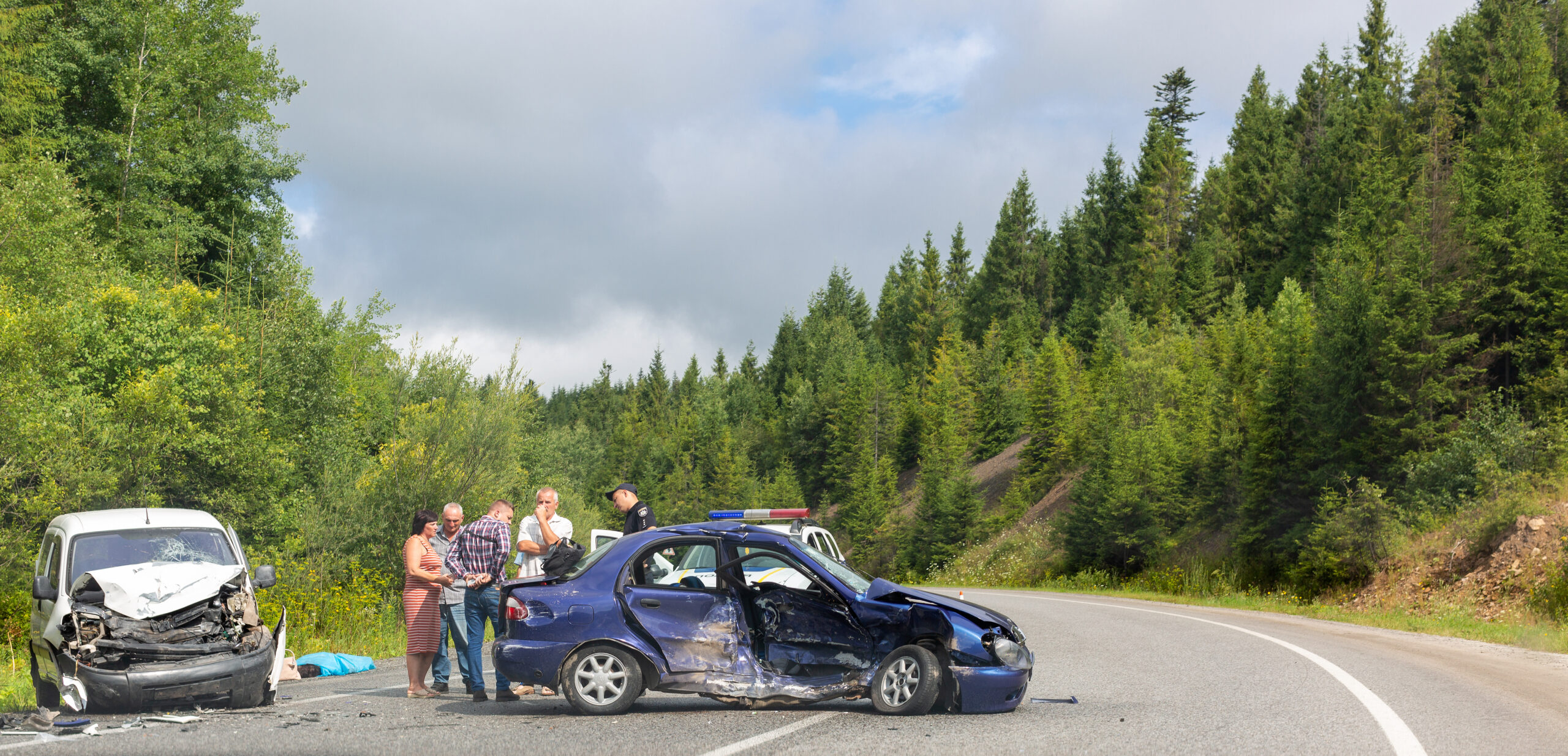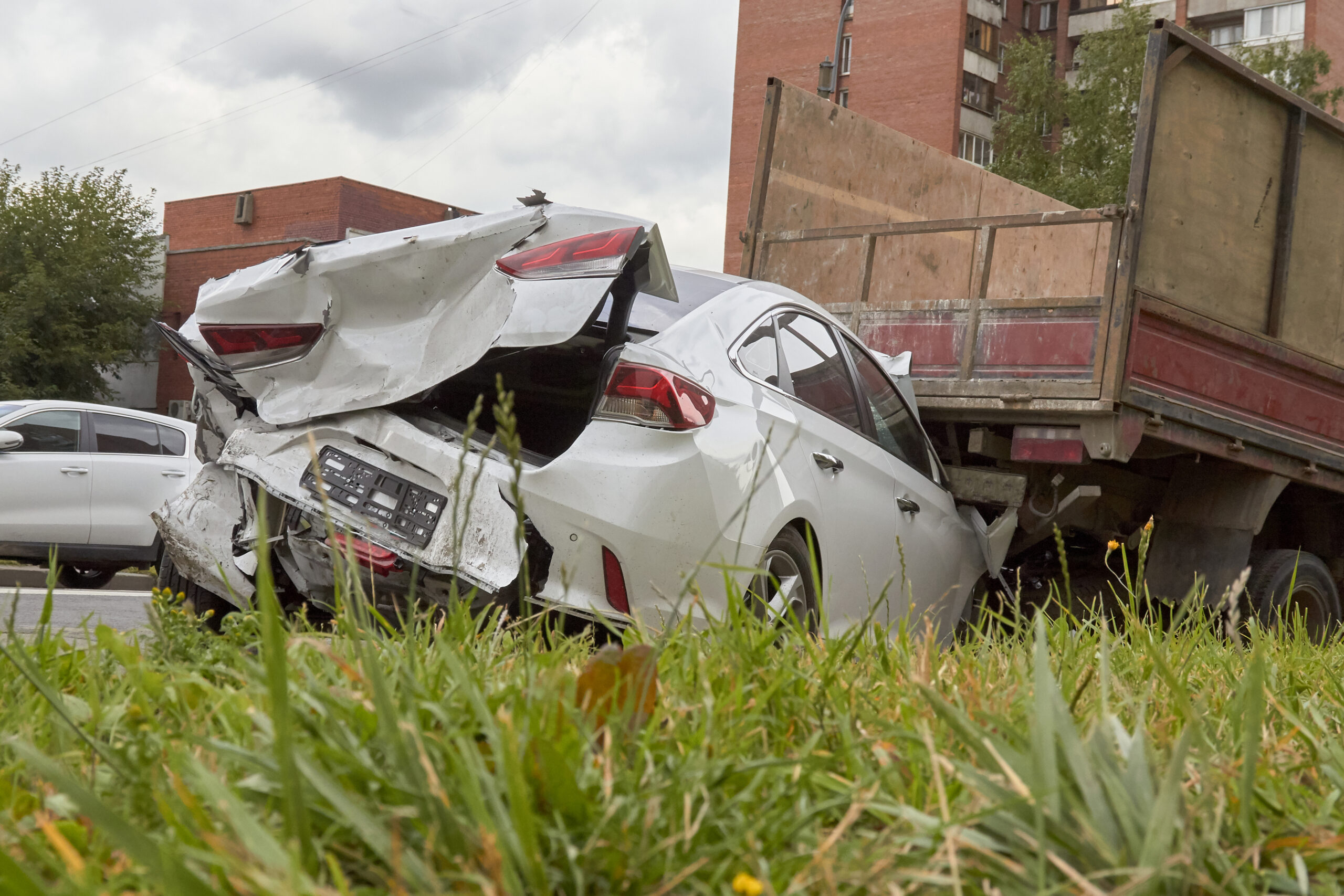


A Norfolk I-64 crash temporarily closed all eastbound lanes near Northampton Boulevard early Friday morning,…
Drowsy Driving Accidents: What Hampton Roads Drivers Should Know [Hampton, VA]

Late-night shifts, early mornings, and long commutes are familiar to many drivers in Hampton, Virginia. Military personnel, shipyard employees, health care workers, and other residents may find themselves traveling when they have not had enough sleep.
Fatigue can interfere with a driver’s ability to recognize hazards, maintain control of a vehicle, and respond to changing traffic conditions. A Hampton drowsy driving accident may leave injured motorists facing medical expenses, missed work, and questions about how to establish the other driver’s responsibility.
Understanding how fatigue affects driving, what evidence may support an injury claim, and how Virginia law applies can help injured individuals evaluate their options.
Why Drowsy Driving Is Dangerous
Driving requires sustained attention, quick reactions, and the ability to make decisions as traffic conditions change.
Sleep deprivation can interfere with each of these abilities.
A fatigued driver may struggle to maintain a consistent speed, notice nearby vehicles, or respond promptly when traffic slows.
In more severe cases, a driver may experience microsleep, a brief episode of sleep that occurs without the person intending to fall asleep.
Even a few seconds of lost awareness can be dangerous when a vehicle is moving at highway speeds.
Warning Signs of Driver Fatigue
Drivers experiencing fatigue may notice:
- Frequent yawning or difficulty keeping their eyes open
- Trouble remembering the last several miles traveled
- Missing exits or traffic signs
- Drifting within or outside their travel lane
- Difficulty maintaining attention
- Slower responses to surrounding traffic
These warning signs should be taken seriously.
A driver who recognizes that they cannot remain alert should stop driving and find a safe place to rest rather than attempting to continue.
Who Faces a Higher Risk of Drowsy Driving?
Anyone who does not get enough sleep can become dangerously tired behind the wheel.
However, certain work schedules and travel patterns can increase the likelihood of fatigue.
Shift Workers and Military Personnel
Hampton Roads is home to military installations, shipyards, medical facilities, and other employers that operate outside traditional daytime hours.
Employees who work overnight or rotating shifts may need to drive when their bodies are accustomed to sleeping.
A person leaving a long shift may feel capable of driving but still experience reduced alertness or slower reaction times.
Commercial Drivers and Long-Distance Travelers
Truck drivers, delivery drivers, and motorists traveling long distances may spend extended periods behind the wheel.
Federal hours-of-service regulations establish driving and rest requirements for covered commercial motor vehicle operations.
These rules are intended to address fatigue risks, although compliance with driving-hour limits does not guarantee that a driver is adequately rested.
Drivers Experiencing Sleep Deprivation
Parents of young children, students, and people with irregular sleep schedules may also experience fatigue.
Certain medications and sleep-related health conditions can contribute to daytime drowsiness.
Drivers should understand whether medications may impair alertness and avoid driving when they cannot operate a vehicle safely.
Where Fatigue-Related Collisions Can Occur in Hampton Roads
Drowsy driving can create hazards on highways, residential streets, and busy commercial corridors.
In Hampton Roads, drivers frequently travel along Interstate 64, Interstate 664, and major local roads such as Mercury Boulevard.
Long periods of uninterrupted driving can make it difficult for a tired motorist to remain attentive.
However, fatigue is not limited to interstate travel.
On city streets, a delayed reaction may prevent a driver from stopping in time for a traffic signal, pedestrian, or vehicle entering an intersection.
The location of a crash alone does not establish that fatigue caused it. Investigators must examine the available evidence to determine what happened.
Injuries That May Result From a Drowsy Driving Accident
The severity of a collision depends on several factors, including vehicle speed, the direction of impact, and the safety features involved.
A crash caused by an inattentive or sleeping driver may result in injuries such as concussions, neck and back injuries, fractures, or other physical harm.
Some collisions may cause lasting disabilities or fatal injuries.
However, not every fatigue-related crash involves a high-speed impact or serious injury.
Our page discussing injury types in Hampton provides additional information about injuries that may occur in motor vehicle collisions.
How Can Drowsy Driving Be Proven After a Crash?
Establishing that another driver was fatigued can be challenging.
Unlike alcohol impairment, there is no standard roadside breath test that establishes whether a driver was too tired to operate a vehicle safely.
Instead, evidence may help demonstrate the driver’s condition before the collision and whether fatigue contributed to the crash.
Statements Made by the Driver
A driver’s statements may provide useful information.
For example, a driver might acknowledge falling asleep, struggling to stay awake, or driving after an extended period without rest.
Such statements should be evaluated alongside the other available evidence.
Witness Accounts
Witnesses may describe a vehicle drifting between lanes, traveling inconsistently, or behaving unusually before a collision.
These observations may support an investigation into fatigue.
However, similar driving behavior can occur for other reasons, including distraction or a medical emergency.
Work Schedules and Employment Records
In some cases, employment records may help establish how long a driver had been working before the collision.
Timecards, work schedules, and other relevant documents may provide context about possible fatigue.
A long shift does not automatically prove that a driver was impaired or negligent.
Commercial Driving Records
When a commercial truck is involved, driver logs and electronic logging device records may help establish driving and rest periods.
Inspection records, dispatch information, and other documents may also be relevant depending on the circumstances.
Physical and Electronic Evidence
Crash photographs, vehicle damage, available camera recordings, and event data recorder information may help investigators reconstruct a collision.
Phone activity or other electronic records may sometimes provide relevant context, subject to legal requirements governing access.
No single type of evidence necessarily proves that a driver fell asleep.
A complete investigation may be needed to determine whether fatigue caused or contributed to the collision.
Virginia Law and Drowsy Driving Accidents
Virginia does not establish a separate traffic offense simply called drowsy driving.
However, a driver who operates a vehicle negligently because of fatigue may be legally responsible when that negligence causes another person’s injuries.
Drivers have a duty to exercise reasonable care under the circumstances.
When fatigue affects a person’s ability to drive safely, the driver’s conduct may become relevant to a negligence claim.
Traffic Laws That May Apply
Depending on the circumstances, a fatigued driver’s actions may violate existing Virginia traffic laws.
Virginia Code § 46.2-816 prohibits following another vehicle more closely than is reasonable and prudent.
Virginia Code § 46.2-804 establishes requirements concerning the use of traffic lanes.
Additionally, Virginia Code § 46.2-852 addresses reckless driving that endangers life, limb, or property.
Whether any of these laws applies depends on the driver’s conduct and the facts of the collision.
Drowsiness alone does not automatically establish reckless driving or another traffic violation.
Can an Employer Be Responsible for a Fatigued Driver’s Crash?
Some fatigue-related accidents involve employees who are driving as part of their work duties.
Depending on the circumstances, an employer may be legally responsible for an employee’s negligent driving when the employee was acting within the scope of employment.
For example, a delivery driver who negligently causes a collision while performing assigned work duties may create potential liability for the employer.
Commercial trucking companies may also face claims involving their own negligent conduct when supported by the evidence.
These claims can involve failures related to applicable safety regulations or other legal obligations.
However, an employer is not automatically responsible simply because an employee was tired after work.
Ordinary commuting generally falls outside the scope of employment, although particular circumstances may require further legal analysis.
Our article on truck accident responsibility on I-64 discusses additional liability considerations involving commercial vehicles.
How Contributory Negligence Affects Drowsy Driving Claims
Virginia follows a contributory negligence rule that can significantly affect personal injury cases.
Under this rule, an injured person’s own negligence may bar recovery if that negligence contributed to causing the collision or resulting harm, subject to applicable exceptions.
For example, a dispute may arise over whether another motorist’s actions contributed to a crash involving a fatigued driver.
However, merely being involved in a collision does not establish contributory negligence.
The evidence must support a legally relevant connection between the injured person’s conduct and the accident.
Our article on Virginia’s contributory negligence rule explains this standard in more detail.
Insurance Coverage After a Drowsy Driving Collision
When another driver’s negligence causes a crash, the driver’s applicable automobile liability insurance may provide compensation for covered injuries and losses.
However, insurance coverage depends on the relevant policies and the circumstances of the collision.
If the responsible driver has no insurance or insufficient coverage, uninsured or underinsured motorist coverage may become relevant.
Virginia Code § 38.2-2206 governs uninsured and underinsured motorist coverage for policies subject to its provisions.
Determining available compensation may require examining multiple insurance policies and the evidence establishing responsibility.
Our auto accident practice area provides additional information about injury claims following motor vehicle collisions.
What Compensation May Be Available?
When a drowsy driver’s negligence causes injuries, the injured person may be able to seek compensation for legally recoverable losses.
Depending on the facts, damages may include:
- Emergency medical treatment and hospitalization
- Follow-up care and rehabilitation
- Lost wages from missed work
- Reduced earning capacity when supported by evidence
- Property damage
- Physical pain and suffering
- Other qualifying accident-related losses
The availability and amount of compensation depend on the injuries, the evidence, and applicable Virginia law.
How to Avoid Driving While Drowsy
Preventing fatigue-related collisions begins with recognizing when it is unsafe to continue driving.
Several precautions can help motorists reduce the risk.
Recognize When You Need Rest
Frequent yawning, heavy eyelids, missed exits, and difficulty concentrating may indicate that a driver is too tired to continue safely.
Ignoring these warning signs can place the driver and others at risk.
Stop Somewhere Safe
If you begin struggling to stay awake, find a safe place to stop.
Resting or allowing another alert, licensed driver to take over is safer than attempting to push through severe fatigue.
Opening a window, turning up the radio, or relying on other temporary distractions does not replace adequate sleep.
Plan Ahead for Long Drives
Whenever possible, avoid beginning a long trip after an overnight shift or a night of inadequate sleep.
Plan opportunities for rest and share driving responsibilities when appropriate.
Understand Medication Warnings
Some prescription and over-the-counter medications can cause drowsiness.
Read medication warnings and consult a pharmacist or health care professional when unsure whether a medication may affect driving.
What to Do If You Were Hit by a Drowsy Driver
After a collision, the immediate priority should be safety and appropriate medical care.
If you suspect the other driver was fatigued, documenting the circumstances may also help preserve evidence.
1. Report the Collision
Call 911 when necessary and provide responding officers with accurate information about what happened.
If the other driver makes statements about being tired or falling asleep, report those statements accurately.
2. Obtain Medical Care
Seek appropriate treatment for injuries and follow medical recommendations.
Keep records of appointments, prescriptions, and related expenses.
3. Document the Scene
When it is safe, photograph vehicle damage, roadway conditions, traffic signals, and other relevant details.
Do not place yourself in danger to collect evidence.
4. Identify Witnesses
Witnesses may have observed the other driver’s behavior before the collision.
Save their contact information when possible.
5. Preserve Relevant Records
Keep the police report number, insurance correspondence, medical bills, repair estimates, and records of missed work.
If employment records, commercial driving information, or video recordings may be relevant, timely preservation can be important.
6. Notify Your Insurance Company
Report the collision as required by your insurance policy and comply with applicable cooperation requirements.
Be cautious about providing recorded statements to another driver’s insurer before understanding your rights.
Filing Deadlines for Virginia Drowsy Driving Claims
Under Virginia Code § 8.01-243(A), most personal injury lawsuits in Virginia must be filed within two years after the cause of action accrues, subject to applicable exceptions.
Insurance notice requirements may apply sooner.
Evidence concerning fatigue, including work schedules, witness accounts, and available electronic records, may also become more difficult to obtain over time.
Taking timely steps to preserve relevant information can help support an accurate investigation.
Frequently Asked Questions
Is drowsy driving illegal in Virginia?
Virginia does not have a separate offense specifically called drowsy driving. However, a fatigued driver may violate existing traffic laws depending on their conduct. A driver may also face civil liability when negligence caused by fatigue results in another person’s injuries.
How can I prove another driver fell asleep?
Relevant evidence may include statements from the driver, witness observations, work schedules, available electronic records, and physical evidence from the collision. No single crash pattern automatically proves that someone fell asleep. The evidence must be evaluated together.
Can an employer be responsible for a drowsy employee’s accident?
Possibly. An employer may be responsible when an employee negligently causes a collision while acting within the scope of employment. Separate claims involving an employer’s own negligence may also arise in qualifying circumstances. Simply driving home after a long shift does not automatically make an employer liable.
What should I do if I feel sleepy while driving?
Find a safe place to stop as soon as possible. Rest or arrange for another alert driver to take over. Opening a window or increasing the radio volume does not reliably overcome fatigue.
How long do I have to file a drowsy driving accident lawsuit in Virginia?
Most personal injury lawsuits in Virginia must be filed within two years under Virginia Code § 8.01-243(A), subject to applicable exceptions. Insurance requirements and the need to preserve evidence may make earlier action important.
Speak With a Hampton Drowsy Driving Accident Attorney
A collision involving a fatigued driver can raise difficult questions about negligence, available evidence, insurance coverage, and the circumstances leading up to the crash.
Understanding how Virginia law applies can help injured individuals make informed decisions about their legal options.
If you or a loved one was injured in a suspected drowsy driving accident in Hampton, Newport News, or elsewhere on the Peninsula, The Stellute Law Firm can help you understand your rights.
Contact The Stellute Law Firm to request a consultation about your circumstances.
Map of Hampton, Virginia, where fatigue-related driving accidents can raise questions about negligence, insurance coverage, and personal injury claims.

Related Posts