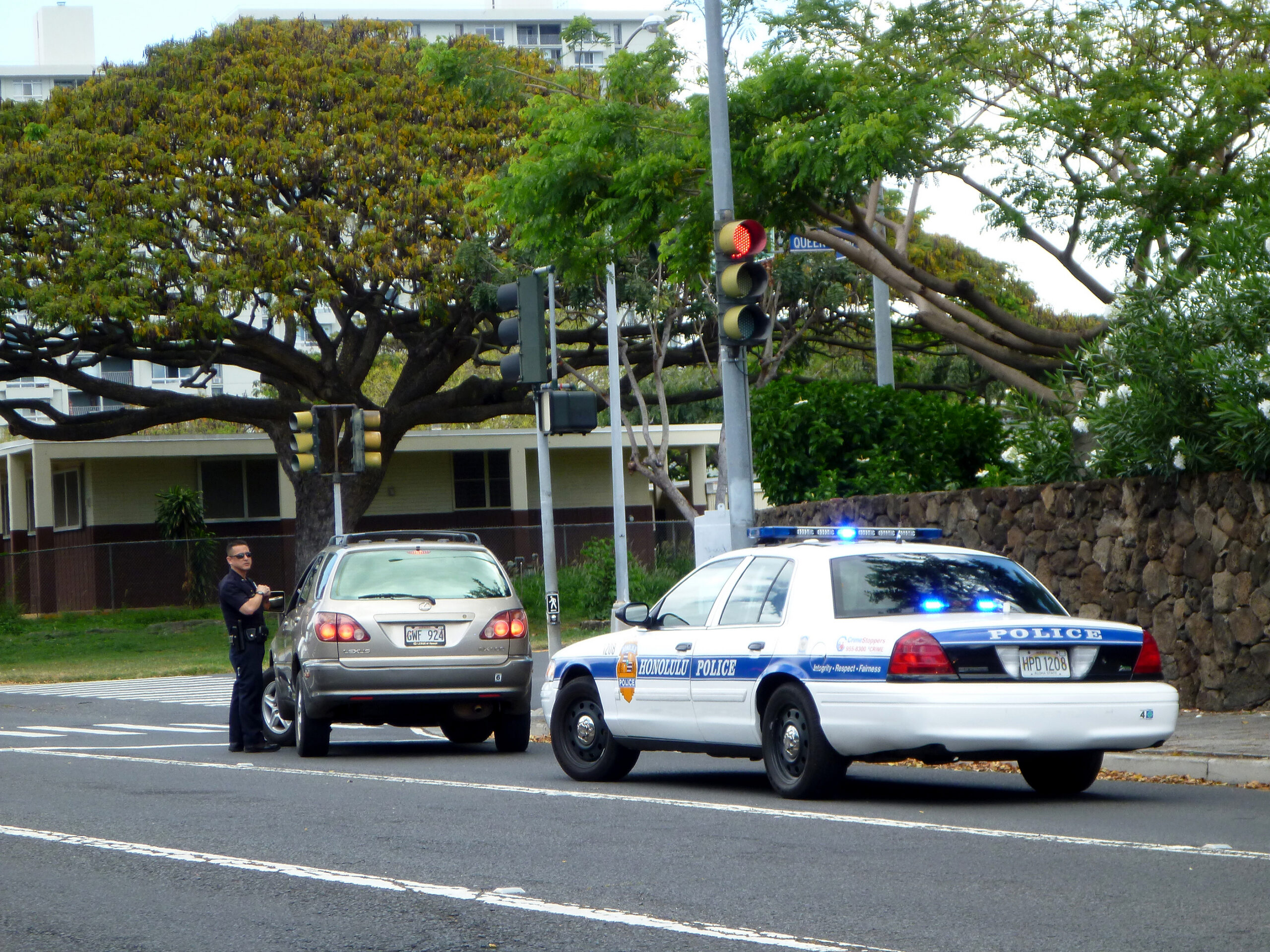


The Virginia move over law protects people working or waiting beside stopped vehicles on highways…
Who Can Be Held Responsible for a Truck Accident on I-64? [Hampton, VA]
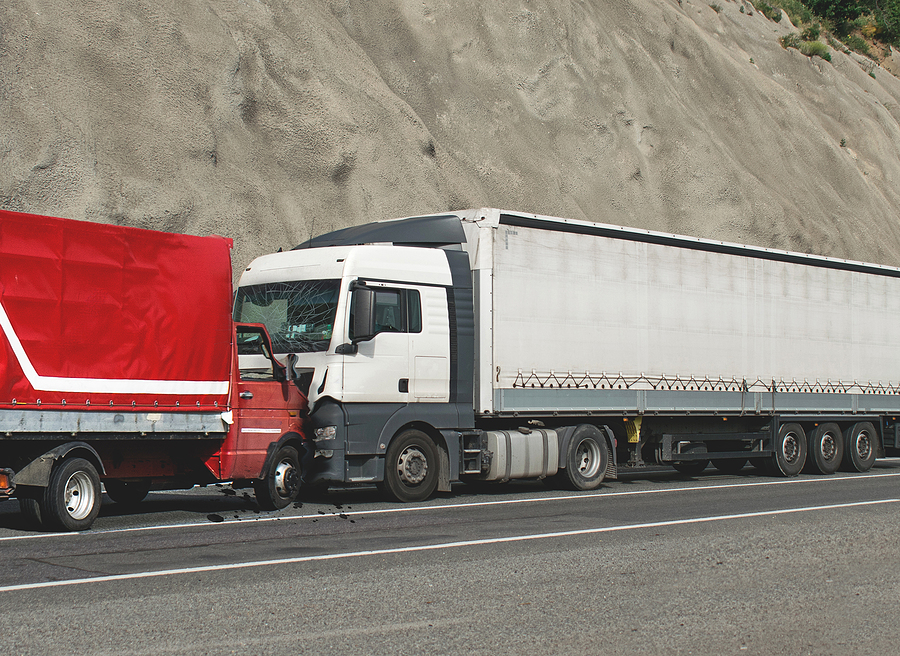
Interstate 64 is one of the busiest corridors in Hampton Roads, linking the Peninsula, the Hampton Roads Bridge-Tunnel, and the Southside. It also carries substantial commercial traffic through the region. When a tractor-trailer or other large truck is involved in a truck accident, the injuries are often severe. The question of who is responsible can also be more complicated than in a typical car accident.
Why Truck Accidents Are Different
A fully loaded tractor-trailer can weigh many times more than a passenger vehicle. Because of that size difference, people in smaller passenger vehicles can suffer serious or catastrophic injuries in a collision with a large truck. These injuries can include fractures, spinal cord damage, traumatic brain injuries, and fatal injuries.
Trucks also need much more distance to stop, have larger blind spots, and can jackknife or roll over when a driver loses control. On a stretch of interstate with heavy traffic, merging lanes, and frequent congestion near the bridge-tunnel, these factors can increase the difficulty of avoiding a collision.
More Than One Party May Be Liable
In a crash between two passenger cars, the claim usually focuses on the other driver. In a truck accident, several parties may share responsibility, depending on the facts.
The truck driver may be responsible for mistakes such as speeding, distracted driving, unsafe lane changes, or driving while fatigued. Depending on the driver’s employment relationship and the circumstances of the crash, a trucking company may also be legally responsible for the driver’s actions. A company can bear its own responsibility as well if it hired an unqualified driver, failed to train its drivers properly, or pushed them to meet schedules that encouraged unsafe driving.
Other parties may also play a role. A company that improperly loaded cargo, a maintenance provider that failed to address a mechanical problem, or the manufacturer of a defective part could potentially bear responsibility depending on what caused or contributed to the collision.
Federal Safety Rules and Evidence
Commercial motor carriers and drivers operating in interstate commerce may be subject to federal safety regulations enforced by the Federal Motor Carrier Safety Administration. These rules address areas such as how long covered drivers can remain on duty, vehicle inspection and maintenance requirements, and driver qualifications. Violations of applicable safety requirements may become important evidence when determining how a crash occurred.
Important evidence in a truck accident case may be held by the trucking company. This can include driver logs, electronic logging device data, maintenance records, and information from the truck’s onboard systems. Some records may not be retained indefinitely, making it important to identify and preserve potentially relevant evidence.
How Virginia Law Can Affect a Truck Accident Claim
Identifying potentially responsible parties is only one part of a Virginia truck accident claim. Virginia’s contributory negligence rule can also affect recovery if an injured person is found to have contributed to the collision. Because truck crashes may involve multiple vehicles, companies, and sources of evidence, determining fault can require a detailed investigation.
Timing matters as well. Under Virginia Code § 8.01-243, personal injury actions generally must be brought within two years after the cause of action accrues, although exceptions can affect the applicable deadline.
Talk With a Hampton Roads Truck Accident Attorney
If you or a loved one was hurt in a crash involving a tractor-trailer or other commercial vehicle, determining who may be responsible and what insurance coverage applies can be complicated. The Stellute Law Firm represents people injured in truck accidents throughout Hampton, Newport News, Williamsburg, and the greater Hampton Roads region. Contact The Stellute Law Firm today for a free consultation.
Frequently Asked Questions
What should I do after a crash with a large truck?
Seek medical attention for injuries or symptoms after the crash. If you’re able to do so safely, take photos of the vehicles, the truck’s markings and company name, and the surrounding scene. Get the names of any witnesses and keep the police report number. Use caution when giving a recorded statement to the trucking company’s insurer before the circumstances of the crash are fully understood.
Can the trucking company be held responsible, or only the driver?
Both may potentially be responsible, depending on the circumstances. A trucking company may be legally responsible for its driver’s actions in some situations. It may also bear responsibility for its own conduct, such as negligent hiring or training or failing to properly maintain its vehicles.
What evidence matters in a truck accident case?
Important evidence can include driver logs, electronic logging device data, maintenance and inspection records, and information from the truck’s onboard systems. Photos, witness statements, video footage, and the police report may also be useful. Because retention requirements vary depending on the type of record, identifying and preserving relevant evidence can be important early in a case.
How long do I have to file a truck accident claim in Virginia?
Personal injury actions in Virginia generally must be filed within two years after the cause of action accrues. However, exceptions can affect the applicable deadline. Truck accident cases can also involve significant evidence and multiple potentially responsible parties, making early investigation important.
Can more than one company be responsible for a truck accident?
Potentially. Depending on the circumstances, responsibility may involve the truck driver, motor carrier, cargo-loading company, maintenance provider, or another party. Determining which parties may be liable requires examining how the crash occurred and each party’s role.
Sources: Code of Virginia § 8.01-243
Map of I-64 in Hampton, Virginia, where commercial trucks share the interstate with heavy Hampton Roads traffic.

Related Posts