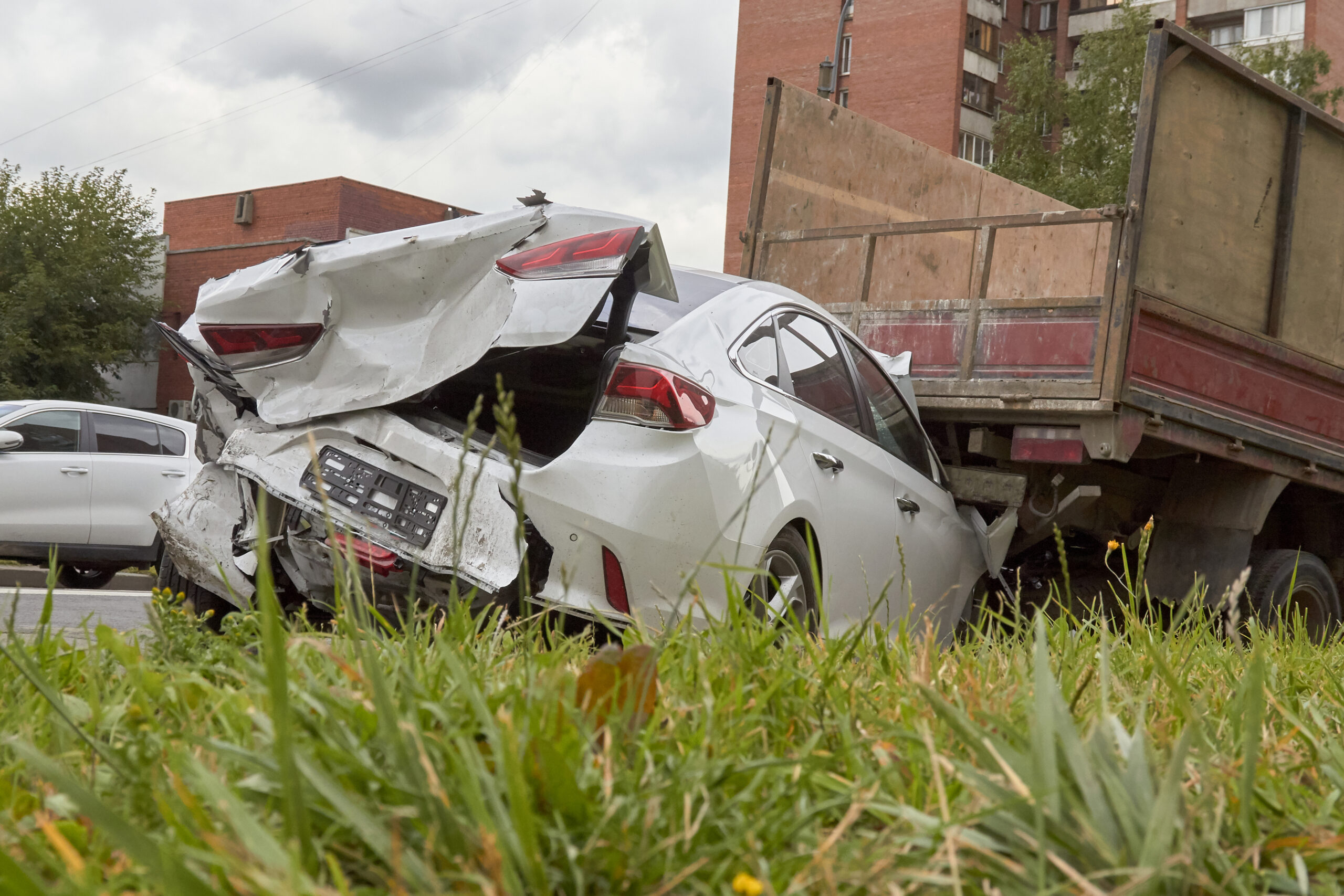


A Norfolk I-64 crash temporarily closed all eastbound lanes near Northampton Boulevard early Friday morning,…
How Virginia’s Contributory Negligence Rule Affects Car Accident Claims [Hampton, VA]
After a car accident in Hampton Roads, one of the first questions an insurance company asks is whether the injured person did anything to contribute to the crash. In most states, sharing some of the blame only reduces the compensation a person can recover. Virginia is different. Understanding how the state’s contributory negligence rule works can help injured drivers, passengers, pedestrians, and cyclists understand how allegations of shared fault could affect a claim.
What Contributory Negligence Means in Virginia
Virginia is one of only a handful of jurisdictions that still follows pure contributory negligence. Under this rule, an injured person who is found even slightly at fault for causing their own injuries may be barred from recovering damages from the other party. That’s true even if the other driver was mostly responsible. The rule applies in many types of personal injury cases, including auto accidents, motorcycle crashes, and pedestrian and bicycle collisions.
Because the consequences are so significant, insurance adjusters in Virginia often look closely for any fact that might suggest the injured person shared responsibility. Common examples include a claim that the injured driver was speeding slightly, glanced at a phone, changed lanes without signaling, or crossed outside a marked crosswalk. These arguments can come up early, sometimes in a recorded statement taken within days of the crash.
Exceptions and Limits to Virginia’s Contributory Negligence Rule
Contributory negligence is a defense, which generally means the party raising it carries the burden of proving it. It isn’t enough for an insurer to suggest the injured person might have done something wrong. The evidence has to show that the person’s own negligence contributed to causing the accident or injuries.
Virginia law also recognizes the doctrine of last clear chance in limited situations. Even when an injured person was negligent, recovery may still be possible if the other party had the last clear opportunity to avoid the accident and failed to do so. The doctrine has specific requirements, and whether it applies depends heavily on the circumstances of the collision.
Some conduct also doesn’t count as contributory negligence under Virginia law. For example, Virginia Code § 46.2-1094 generally prevents a person’s failure to wear a seat belt from being used as evidence of negligence in a civil case arising from a crash.
Why Evidence Matters in a Contributory Negligence Claim
Since fault can decide a Virginia injury claim, the evidence gathered after a crash is especially important. Police reports, photographs of the scene and vehicle damage, witness contact information, and nearby surveillance or dashcam footage can all help show how the accident actually happened. Injured people are generally not required to give a recorded statement to the other driver’s insurance company. Statements made before the facts are fully understood can be used to argue shared fault later.
Timing matters as well. Under Virginia Code § 8.01-243, most personal injury claims in Virginia must be filed within two years of the date of injury. Waiting too long can make it harder to preserve evidence and may affect whether a claim can be pursued at all.
Get Help With a Hampton Roads Car Accident Claim
If you were hurt in a crash and an insurance company is suggesting you share the blame, the situation can feel discouraging. That doesn’t necessarily mean you have no options. The Stellute Law Firm serves injured people throughout Hampton, Newport News, and the Hampton Roads region, and an attorney can review how Virginia’s contributory negligence rule may apply to the facts of your case. To schedule a free consultation, contact The Stellute Law Firm today.
Sources: Code of Virginia § 46.2-1094; Code of Virginia § 8.01-243
The Stellute Law Firm represents people injured in car accidents throughout Hampton and the Hampton Roads region.

Related Posts