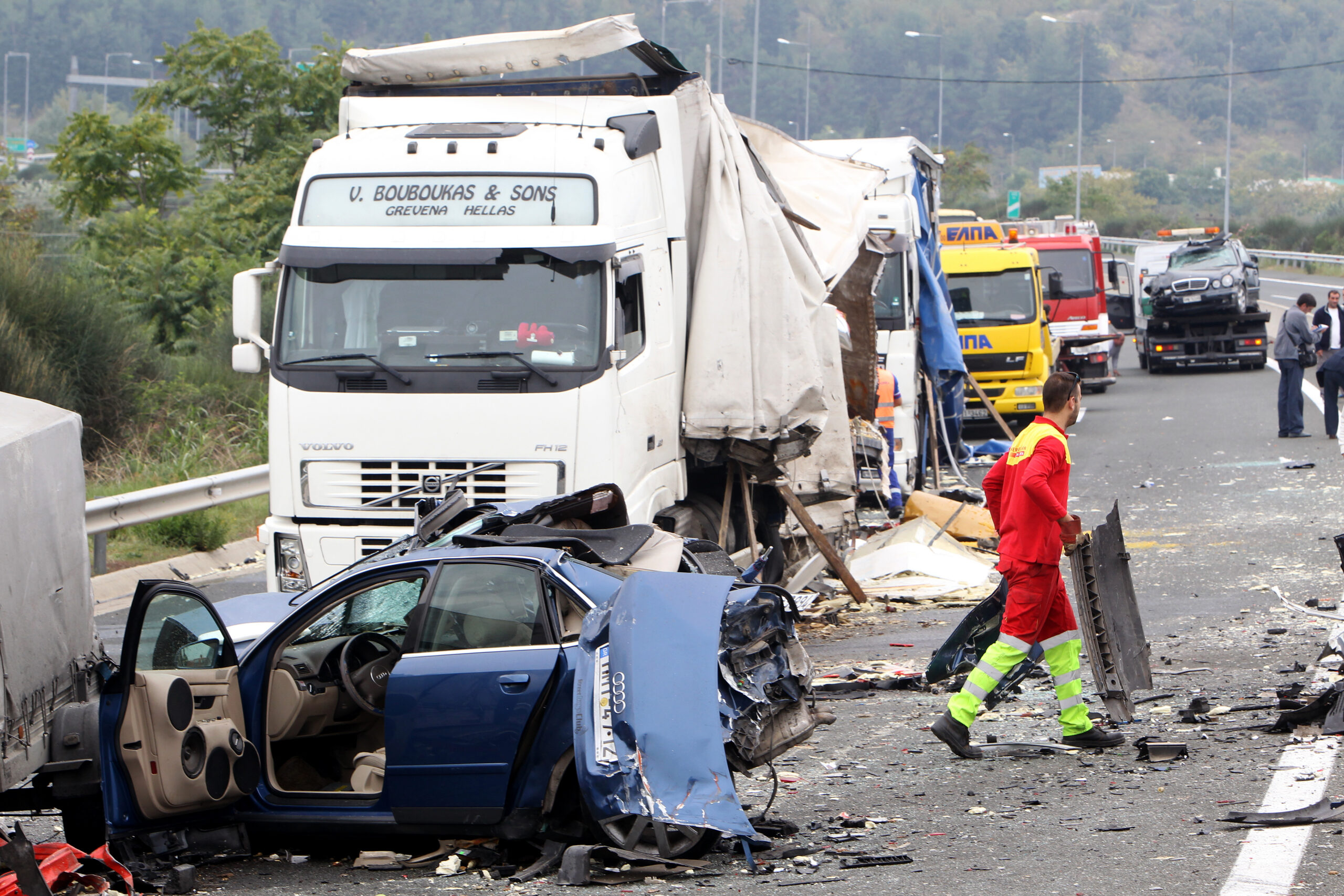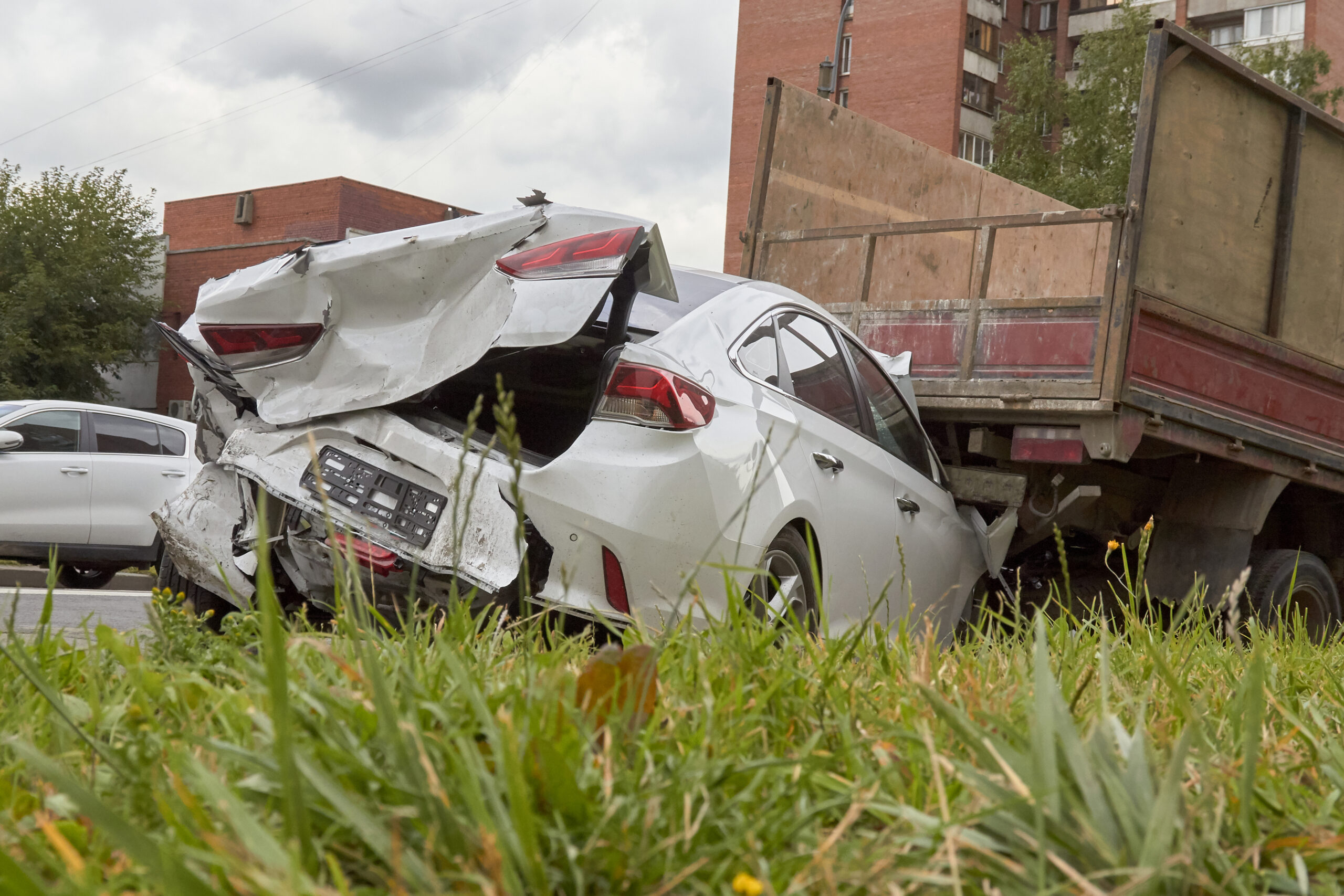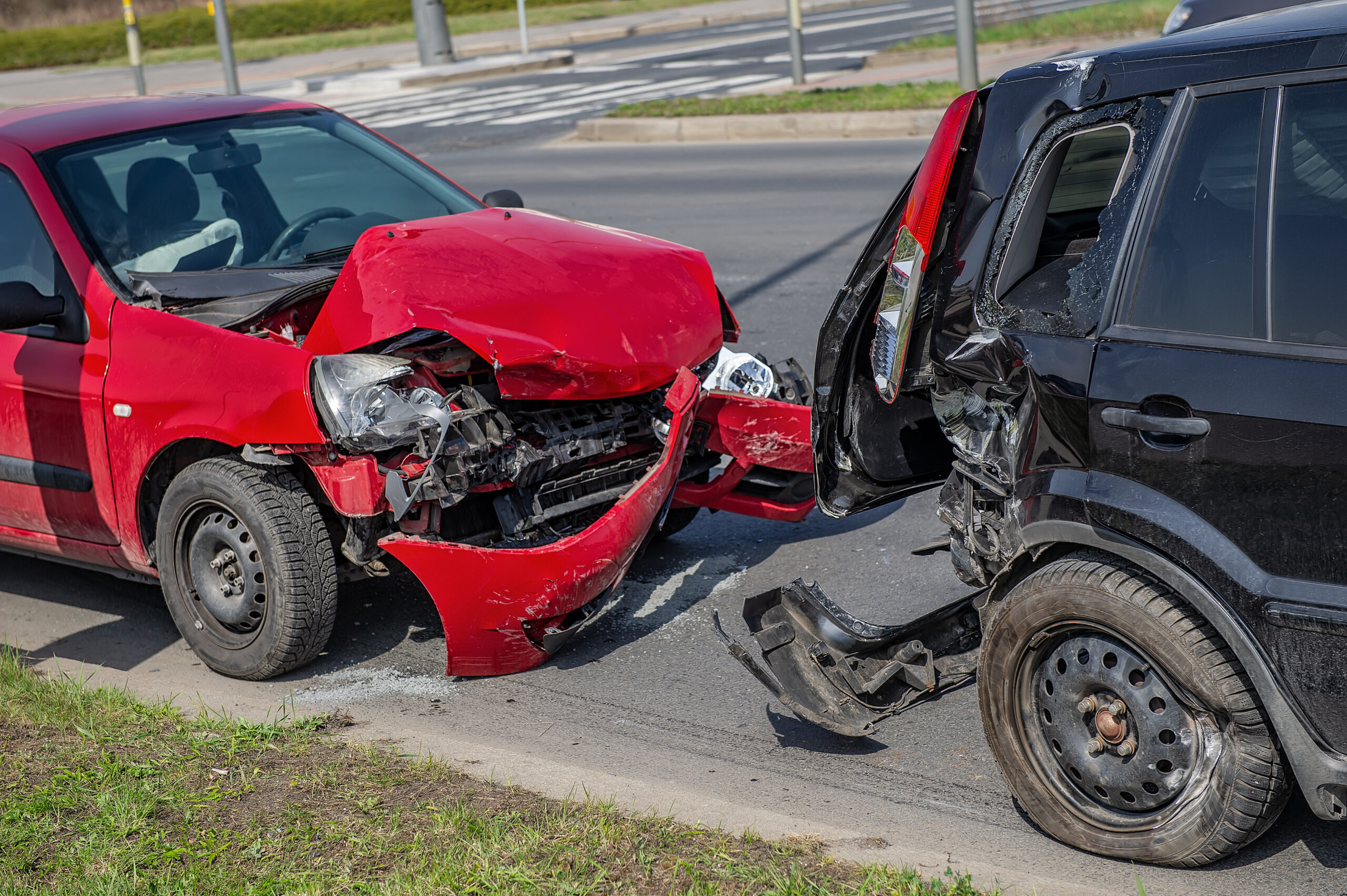


A Norfolk I-64 crash temporarily closed all eastbound lanes near Northampton Boulevard early Friday morning,…
Newport News Man Dies After Crash With VDOT Contractor Vehicle on I-64 [York County, VA]
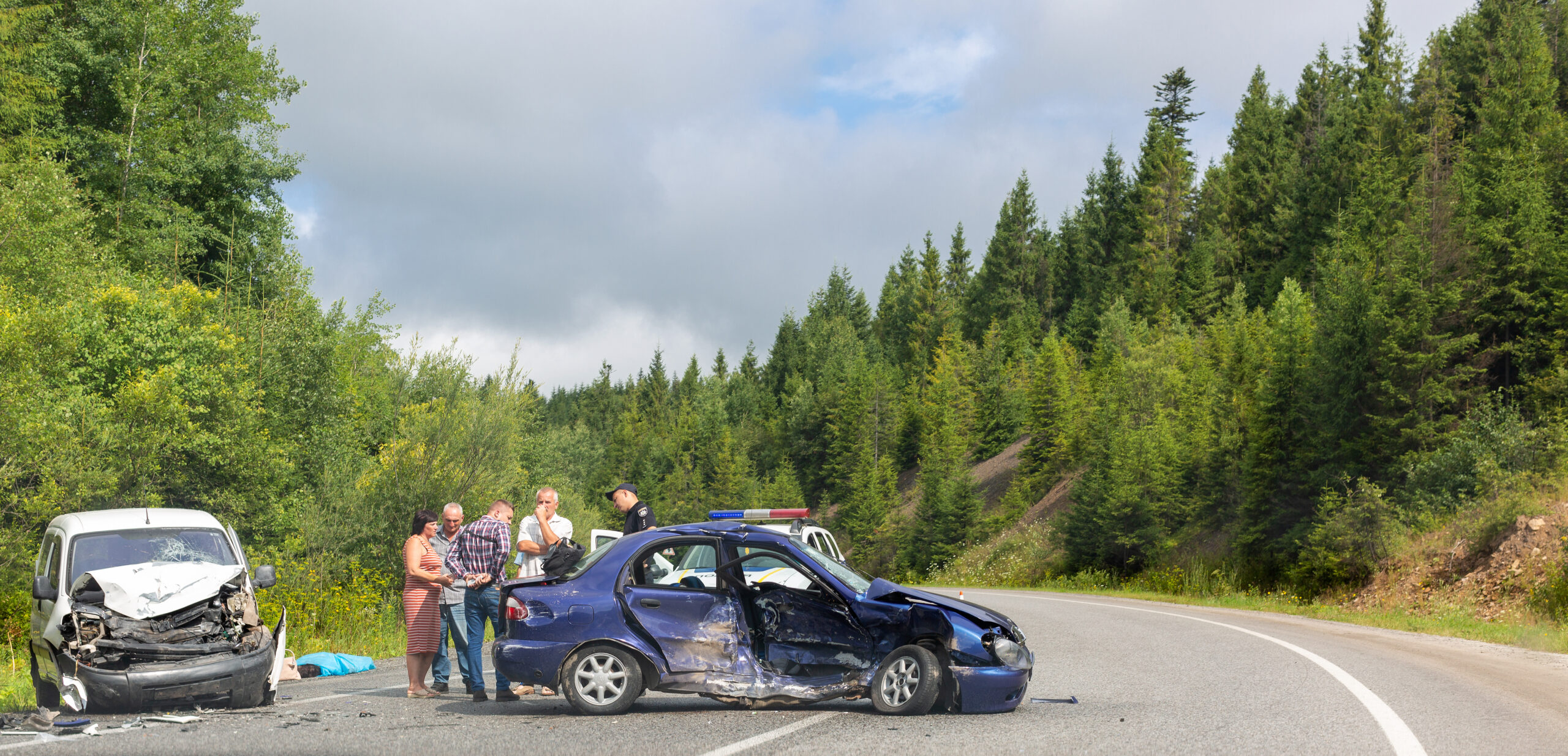
A 52-year-old Newport News man died after his Ford Mustang collided with a Virginia Department of Transportation contractor vehicle on Interstate 64 East in York County on Wednesday evening, October 28, 2026.
According to Virginia State Police, the contractor vehicle was traveling slowly in the left lane with its hazard lights activated while protecting a crew preparing for an overnight lane closure.
The Mustang driver, identified as Michael Ohman of Newport News, was transported to a hospital, where he later died. No VDOT contractors were reported injured.
The York County fatal crash remains under investigation, and authorities have not publicly established what caused the collision.
What Happened on I-64 East?
Virginia State Police responded to a two-vehicle collision on I-64 East near mile marker 237 at approximately 6:40 p.m. on October 28.
According to the preliminary investigation, a VDOT contractor vehicle was moving slowly in the left lane with its hazard lights activated.
The vehicle was serving as a protective buffer for a construction crew setting out warning signs in preparation for an overnight lane closure.
A 2025 Ford Mustang traveling on I-64 East struck the contractor vehicle.
The Mustang driver, 52-year-old Michael Ohman of Newport News, sustained serious injuries and was transported to a hospital.
He later died from his injuries.
State police reported that no VDOT contractors were injured in the collision.
Authorities have not publicly announced a cause or identified specific traffic violations.
The investigation remains ongoing.
Why Protective Vehicles Are Used in Highway Work Zones
Highway construction and maintenance activities can place workers near moving traffic.
When crews prepare for lane closures, protective vehicles may be used to create separation between workers and approaching motorists.
These vehicles are sometimes called shadow vehicles or buffer vehicles.
Depending on the work operation, they may travel slowly behind workers or remain stationary in designated positions.
Their purpose is to provide additional protection for crews performing tasks near active traffic lanes.
Some protective vehicles may also be equipped with warning lights or impact-absorbing equipment.
In the October 28 collision, Virginia State Police reported that the VDOT contractor vehicle was moving slowly in the left lane with its hazard lights activated.
The vehicle was protecting workers who were placing warning signs for an overnight lane closure.
The available reporting does not establish whether the contractor vehicle had additional protective equipment or whether any aspect of the work-zone setup contributed to the collision.
Virginia Traffic Laws and Highway Work Zones
Virginia law establishes requirements for motorists traveling through highway construction and maintenance areas.
Several provisions may be relevant when investigators evaluate a work-zone collision.
Work-Zone Speed Limits
Under Virginia Code § 46.2-878.1, motorists must comply with applicable work-zone speed restrictions when the statutory requirements are satisfied.
Violations of properly posted work-zone speed limits may carry additional penalties under the law.
However, the available reporting does not establish whether a reduced work-zone speed limit was posted at the location of the October 28 collision.
Authorities have also not reported that speeding contributed to the crash.
Virginia’s Move-Over Law
Virginia Code § 46.2-861.1 establishes requirements for drivers approaching certain stationary vehicles displaying qualifying warning lights or other signals.
Depending on the circumstances, motorists may be required to move into another lane when safe or slow down and proceed with caution.
However, the contractor vehicle involved in the October 28 crash was reportedly moving slowly rather than stopped.
Therefore, the reported facts do not establish that the move-over statute directly applied to this collision.
Motorists should nevertheless remain attentive to warning signs, hazard lights, and changing traffic conditions near highway work operations.
What May Cause a Collision With a Work-Zone Vehicle?
Collisions involving work-zone vehicles may require investigators to evaluate the movements of both vehicles and the surrounding roadway conditions.
Relevant questions can include whether warning signs were visible, how traffic was moving, and whether drivers had adequate opportunities to respond.
Investigators may also examine the position and operation of protective vehicles.
However, a collision with a slow-moving vehicle does not automatically establish that either driver acted negligently.
In the October 28 crash, the preliminary investigation established that the contractor vehicle was moving slowly in the left lane with its hazard lights activated when the Mustang struck it.
Authorities have not publicly identified speeding, distraction, improper traffic control, or any other specific contributing factor.
Responsibility cannot be determined from the collision description alone.
Who May Be Responsible for a Fatal Work-Zone Collision?
Determining legal responsibility for a fatal work-zone collision requires evaluating the evidence and applicable duties of care.
Drivers must operate their vehicles with reasonable attention to traffic conditions and comply with applicable roadway requirements.
Contractors and other entities involved in roadway operations may also have duties concerning traffic control and work-zone safety.
Depending on the circumstances, investigators may examine whether warning signs, vehicle positioning, or other safety measures complied with applicable requirements.
However, the involvement of a contractor vehicle does not establish negligence by the contractor or VDOT.
Likewise, the fact that the Mustang struck the contractor vehicle does not conclusively establish negligence by the Mustang driver.
The available reporting does not identify a legally responsible party.
Our auto accident practice area provides additional information about evaluating motor vehicle collision claims.
How Virginia’s Contributory Negligence Rule May Affect a Claim
Virginia follows a contributory negligence rule that can significantly affect personal injury and wrongful death claims.
Under this rule, a person’s own negligence may bar recovery if that negligence contributed to causing the collision or resulting harm, subject to applicable exceptions.
A determination of contributory negligence requires evidence of negligent conduct and a legally relevant connection between that conduct and the resulting injury.
The fact that a vehicle struck another vehicle does not automatically establish contributory negligence.
In a work-zone collision, the conduct of the drivers and any other potentially responsible parties may need to be evaluated.
The available reporting does not establish that Michael Ohman was negligent or that the contractor vehicle was operated improperly.
Our article explaining Virginia’s contributory negligence rule provides additional information about this legal standard.
How Fatal Highway Crashes Are Investigated
Fatal motor vehicle collisions may involve detailed investigations to determine how the crash occurred.
Depending on the circumstances, investigators may examine vehicle damage, roadway conditions, physical evidence, and witness statements.
When a collision involves a highway work operation, the investigation may also consider the placement of warning signs, protective vehicles, and other traffic control measures.
Available video recordings, vehicle information, or maintenance records may provide additional evidence.
However, the existence or use of any particular evidence cannot be assumed.
In the October 28 collision, Virginia State Police reported preliminary findings concerning the vehicles’ movements and the contractor vehicle’s protective role.
The investigation remains ongoing, and authorities have not publicly announced a final determination of the cause.
Virginia Wrongful Death Law After a Fatal Crash
When a person dies because of another party’s wrongful act, neglect, or default, Virginia law may permit a wrongful death claim if the statutory requirements are satisfied.
Virginia Code § 8.01-50 establishes the legal framework for wrongful death actions.
A qualifying wrongful death lawsuit is generally brought by the deceased person’s personal representative on behalf of the statutory beneficiaries.
Depending on the circumstances, recoverable damages may include certain medical expenses, funeral expenses, lost financial support, and compensation for sorrow, mental anguish, and loss of companionship.
The availability and amount of damages depend on the evidence and applicable law.
Importantly, a fatal collision does not automatically establish a valid wrongful death claim.
A claim generally requires proof that another party’s legally actionable conduct caused the death.
In the October 28 collision, authorities have not publicly established that another party’s negligence caused Michael Ohman’s death.
Our wrongful death practice area provides additional information about these claims.
What Families Can Do After a Fatal Highway Collision
Following a fatal crash, families may face difficult practical and legal questions while coping with their loss.
Several steps may help preserve important information.
Obtain available accident information. Families may contact Virginia State Police about the investigation and procedures for requesting the crash report.
Preserve relevant documents. Medical records, funeral expenses, insurance correspondence, and other records may become important.
Keep communications organized. Save correspondence from insurance companies and other parties concerning the collision.
Ask about potentially available evidence. Witness information, photographs, and recordings may be relevant depending on the circumstances.
Understand estate requirements. Because a Virginia wrongful death action is generally brought by a personal representative, estate-related procedures may need to be addressed.
Families may also benefit from support through relatives, community organizations, grief counselors, or other trusted resources.
Deadlines for Virginia Wrongful Death Lawsuits
Virginia law establishes specific filing deadlines for wrongful death actions.
Under Virginia Code § 8.01-244(B), wrongful death lawsuits generally must be filed within two years of the person’s death, subject to applicable exceptions.
This deadline is distinct from certain insurance notice requirements and other legal procedures.
When a potential claim involves a contractor or public entity, additional legal questions may arise concerning the identity of the responsible party, immunity, and applicable procedural requirements.
Prompt evaluation can help determine which requirements may apply.
Frequently Asked Questions
What Is a VDOT Protective or Shadow Vehicle?
A protective or shadow vehicle is used to help shield highway workers from approaching traffic. Depending on the operation, it may move slowly or remain stationary and may display warning lights or other protective equipment.
What Is the Fine for Speeding in a Virginia Work Zone?
Virginia Code § 46.2-878.1 provides for penalties of up to $500 for qualifying violations of posted highway work-zone speed limits. Whether the statute applies depends on the circumstances and statutory requirements. No speeding violation has been reported in the October 28 collision.
Does Virginia’s Move-Over Law Apply to Work Vehicles?
Virginia’s move-over law may apply to qualifying stationary vehicles displaying specified warning lights or signals. However, the contractor vehicle in the October 28 collision was reportedly moving slowly, so the available facts do not establish that the statute applied.
Can a Family Bring a Wrongful Death Claim After a Fatal Work-Zone Crash?
A wrongful death claim may be available when another party’s wrongful act, neglect, or default legally caused the death. In Virginia, qualifying claims are generally brought by the deceased person’s personal representative. Whether a claim exists depends on the evidence and applicable law.
Who Investigates Fatal Crashes on I-64 in York County?
Virginia State Police generally investigate collisions on interstate highways such as I-64. Families may contact the agency about available reports and the status of an investigation.
Speak With a York County Wrongful Death Attorney
Losing a loved one in a highway collision can leave families facing grief, financial concerns, and unanswered questions.
When a crash involves an active highway work operation, evaluating the circumstances may require reviewing traffic conditions, work-zone procedures, and other available evidence.
If your family lost someone in a fatal accident in York County, Newport News, Hampton, Williamsburg, or elsewhere on the Peninsula, The Stellute Law Firm can help you understand your rights and available legal options.
Our York County personal injury lawyers can review the circumstances of a potential claim.
Contact The Stellute Law Firm to request a consultation.
Source: WAVY
Map of Interstate 64 East near mile marker 237 in York County, Virginia, where a Ford Mustang struck a slow-moving VDOT contractor vehicle on October 28, 2026, fatally injuring a Newport News man.

Related Posts