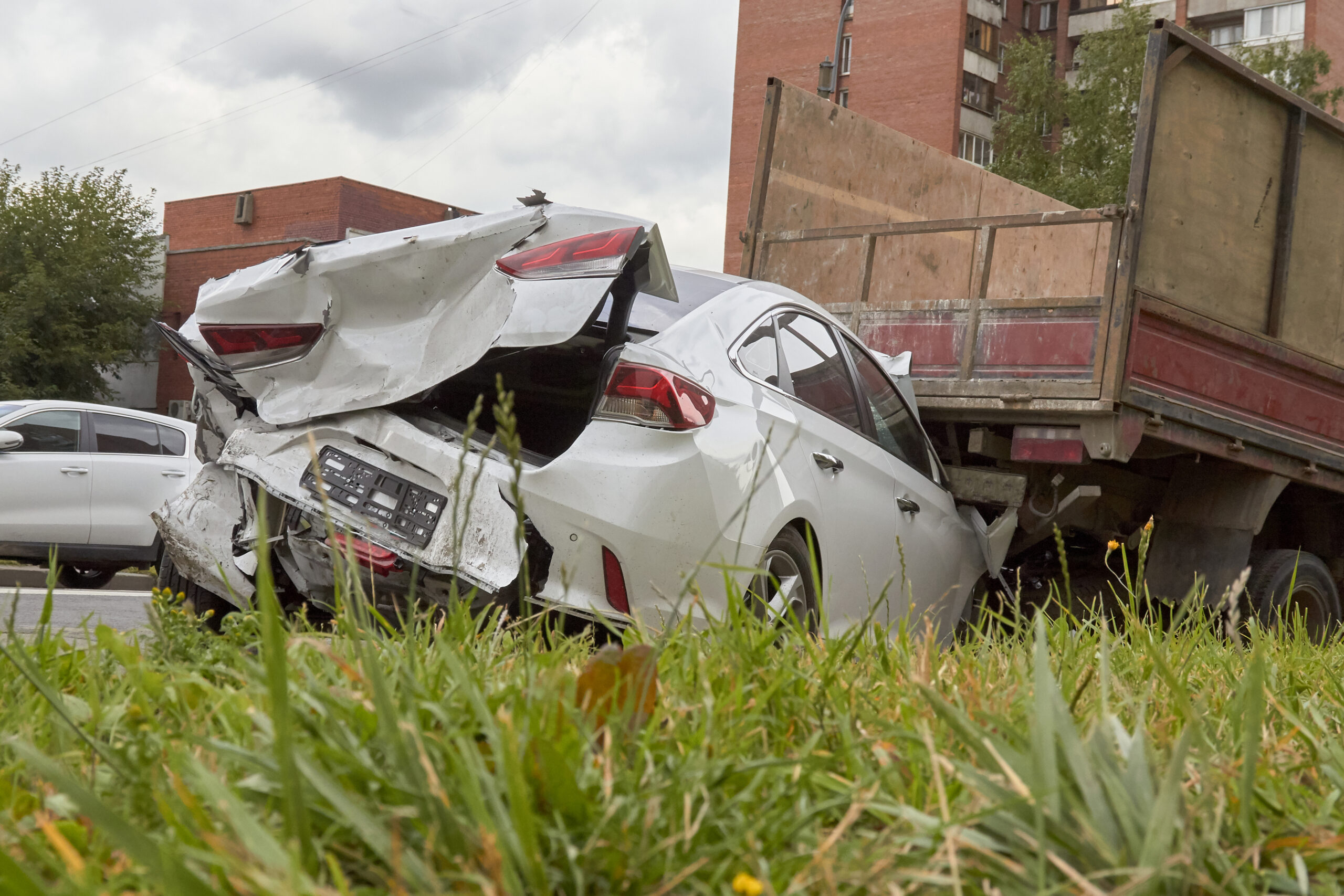


A Norfolk I-64 crash temporarily closed all eastbound lanes near Northampton Boulevard early Friday morning,…
What to Do After an Uber or Lyft Accident [Hampton, VA]

An Uber or Lyft accident can leave injured passengers and drivers facing questions about medical expenses, insurance coverage, and who may be responsible for the collision. Unlike a typical car crash, a rideshare accident may involve different insurance policies depending on whether the driver was logged into the app, waiting for a passenger, or completing a trip.
If you were injured in a Hampton rideshare accident, understanding these distinctions can help you determine what steps to take next. Virginia has specific insurance requirements for rideshare companies and their drivers, and the coverage available after a collision depends on the circumstances.
Why Uber and Lyft Accidents Involve Different Insurance Rules
Rideshare drivers generally use their personal vehicles to transport passengers through platforms such as Uber and Lyft. Because these vehicles are used for both personal transportation and rideshare services, insurance coverage can become more complicated after a collision.
Personal automobile insurance policies may exclude or limit coverage when a driver is using a vehicle for rideshare work. Virginia addresses this issue through separate insurance requirements for transportation network companies (TNCs) and their drivers.
The driver’s activity at the time of the collision is particularly important. A driver who has accepted a passenger request is subject to different coverage requirements than someone who is simply logged into the app and waiting for a ride.
Determining which insurance policies apply may require reviewing trip records, the driver’s app status, and information from the rideshare company.
How Virginia Rideshare Insurance Coverage Works
Under Virginia Code § 46.2-2099.52, rideshare insurance requirements vary according to the driver’s activity on the platform.
When the Driver Is Logged In but Has Not Accepted a Ride
When a rideshare driver is logged into the app but has not accepted a passenger request, Virginia requires primary liability coverage of at least:
- $50,000 per person for bodily injury or death
- $100,000 per accident for bodily injury or death
- $25,000 for property damage
Uninsured and underinsured motorist coverage must also be provided as required by Virginia law.
These requirements generally apply while the driver is waiting for a ride request and during the period after a completed trip until another request is accepted or the driver logs off.
When the Driver Has Accepted a Ride Request
Once a driver accepts a ride request, Virginia requires primary liability coverage of at least $1 million for death, bodily injury, and property damage.
This coverage period continues until the transaction is completed on the digital platform or the prearranged ride is finished, whichever occurs later.
The law also requires uninsured and underinsured motorist coverage during this period, including special provisions concerning underinsured motorist coverage while a passenger is inside the vehicle.
The $1 million requirement establishes a minimum amount of liability insurance that must be maintained. It does not mean every injured person automatically receives compensation or that every claim is worth that amount.
When the Rideshare App Is Turned Off
If a driver is not logged into a rideshare platform and is using the vehicle for personal transportation, the special rideshare insurance requirements generally do not apply.
In those circumstances, the driver’s personal automobile insurance may provide coverage, depending on the policy and the facts of the collision.
Rideshare coverage required under Virginia law may be maintained by the driver, the rideshare company, or a combination of both.
Who May Be Responsible for an Uber or Lyft Accident?
Determining responsibility after a rideshare collision begins with identifying what caused the crash.
Depending on the circumstances, potentially responsible parties may include:
- The rideshare driver: A driver who makes an unsafe turn, fails to yield, drives distracted, or otherwise acts negligently may be responsible for a collision.
- Another motorist: If a different driver causes the crash, that driver’s actions and insurance coverage may be central to the claim.
- Multiple drivers: More than one driver’s conduct may contribute to a collision, requiring a closer examination of the evidence.
- Other potentially responsible parties: In certain circumstances, a vehicle defect, negligent maintenance, or another contributing condition may raise additional liability questions.
The involvement of Uber or Lyft does not automatically establish that the rideshare company is legally responsible for the collision. Liability depends on the applicable law and the evidence.
Our auto accident lawyers help injured individuals examine the circumstances of collisions and evaluate potential insurance claims.
How Virginia’s Contributory Negligence Rule May Apply
Virginia follows a contributory negligence rule that can affect an injured person’s ability to recover compensation.
If an injured person was negligent and that negligence contributed to causing the accident, the rule may bar recovery, subject to applicable legal exceptions.
Rideshare passengers generally are not responsible for their driver’s decisions. However, claims involving rideshare drivers, other motorists, or pedestrians may require a closer examination of each person’s actions.
For more information, read our article about Virginia’s contributory negligence rule and car accident claims.
What to Do After an Uber or Lyft Accident
The steps taken after a rideshare collision can help protect your health and preserve information that may become important during an insurance claim.
1. Check for Injuries and Seek Medical Attention
If anyone is injured or the crash creates an immediate hazard, call 911.
Seek appropriate medical attention if you are hurt or develop symptoms after the collision. Some injuries may not be immediately apparent, and medical records can help document the effects of the accident.
2. Save Your Uber or Lyft Trip Information
If you were a passenger, take screenshots of the trip details available in the rideshare app.
Important information may include:
- The driver’s name and vehicle information
- The date and approximate time of the trip
- The pickup and destination locations
- The trip confirmation or receipt
- Any messages or notifications related to the ride
If you were the rideshare driver, preserve information showing whether you were logged into the app, waiting for a request, traveling to a pickup, or transporting a passenger.
These details may help determine which insurance requirements applied when the collision occurred.
3. Exchange Information and Document the Scene
When it is safe to do so, collect contact and insurance information from the drivers involved.
Photographs of vehicle damage, road conditions, traffic signals, and visible injuries may help preserve evidence. If witnesses are present, ask for their contact information.
You should also record which law enforcement agency responded and obtain the crash report number when available.
4. Report the Accident Through the Rideshare App
Uber and Lyft provide procedures for reporting accidents involving their drivers and passengers.
Reporting the collision through the appropriate platform creates a record and may begin the company’s insurance review process.
Keep copies of any communications with the rideshare company, including claim numbers, emails, and messages.
5. Be Careful When Speaking With Insurance Companies
A rideshare accident may involve the rideshare company’s insurance, a driver’s personal policy, and insurance maintained by other motorists.
Before providing a recorded statement to another driver’s insurer or signing a broad medical authorization, consider obtaining information about your rights and the purpose of the request.
You should still comply with applicable reporting and cooperation requirements under your own insurance policy.
6. Keep Records of Your Expenses and Recovery
Save medical bills, treatment records, repair estimates, and documentation of missed work or other losses associated with the collision.
Maintaining organized records can help establish what happened after the accident and which expenses may be relevant to a potential claim.
How to Identify the Insurance Coverage Available After a Rideshare Crash
One of the most important questions after an Uber or Lyft collision is whether the driver was actively using the rideshare platform.
Virginia Code § 46.2-2099.52 provides a process for requesting certain insurance information from a transportation network company.
An individual who suffers a loss in an accident and reasonably believes a rideshare driver was operating in connection with a transportation network company may submit a written request containing information about the collision.
The request should identify the date, approximate time, and location of the accident, along with the driver’s name and accident report if available.
Under the statute, the company must respond within 30 days and provide specified information, including whether the driver was logged into the platform, whether a ride had been accepted, and the identity of the primary insurance carrier.
This information may help clarify which policy should be examined during the claims process.
Filing Deadlines for Virginia Rideshare Accident Claims
Under Virginia Code § 8.01-243(A), most personal injury lawsuits in Virginia must be filed within two years after the cause of action accrues.
Certain exceptions may affect the applicable deadline, and claims involving property damage or other circumstances may follow different rules.
Insurance policies may also contain reporting requirements that apply much sooner than the deadline for filing a lawsuit.
Because rideshare claims can involve multiple insurance companies and digital trip records, preserving relevant evidence early can be particularly important.
Our page on Hampton auto accidents provides additional information about injury claims involving motor vehicle collisions.
Frequently Asked Questions
Who pays if I am injured as a passenger in an Uber or Lyft in Virginia?
It depends on who caused the collision and which insurance policies apply. Virginia requires at least $1 million in primary liability coverage during an accepted rideshare trip, along with uninsured and underinsured motorist coverage. Another driver’s insurance may also be relevant if that driver caused the crash.
What if the rideshare driver was logged in but did not have a passenger?
When a driver is logged into the rideshare app but has not accepted a trip, Virginia requires primary liability coverage of at least $50,000 per person and $100,000 per accident for bodily injury or death, plus $25,000 for property damage. Higher coverage requirements generally apply once a ride request is accepted.
Can a rideshare driver pursue compensation after being hit by another motorist?
Yes. A rideshare driver injured because of another motorist’s negligence may be able to pursue a personal injury claim. The available insurance coverage depends on the circumstances, including whether the rideshare driver was logged into the platform and whether a trip had been accepted.
Should I report a rideshare accident to Uber or Lyft?
Yes. Reporting the collision through the appropriate rideshare platform can help document the incident and begin the insurance review process. You should also preserve your trip information, obtain appropriate medical attention, and follow applicable insurance reporting requirements.
How long do I have to file a rideshare accident lawsuit in Virginia?
Most personal injury lawsuits in Virginia must be filed within two years after the cause of action accrues, subject to applicable exceptions. Insurance reporting deadlines may be shorter, and important evidence should be preserved as soon as reasonably possible.
Speak With a Hampton Rideshare Accident Attorney
An Uber or Lyft accident can create questions about insurance coverage, liability, and the steps needed to pursue an injury claim. When several insurance policies may apply, understanding the driver’s app status and the circumstances of the collision can be especially important.
If you were injured in a rideshare accident in Hampton, Newport News, or elsewhere on the Peninsula, The Stellute Law Firm can help you evaluate your circumstances and understand your legal options.
Contact The Stellute Law Firm to request a consultation about your situation.
Map of Hampton, Virginia, where Uber and Lyft passengers and drivers may face questions about insurance coverage and liability after a rideshare accident.

Related Posts