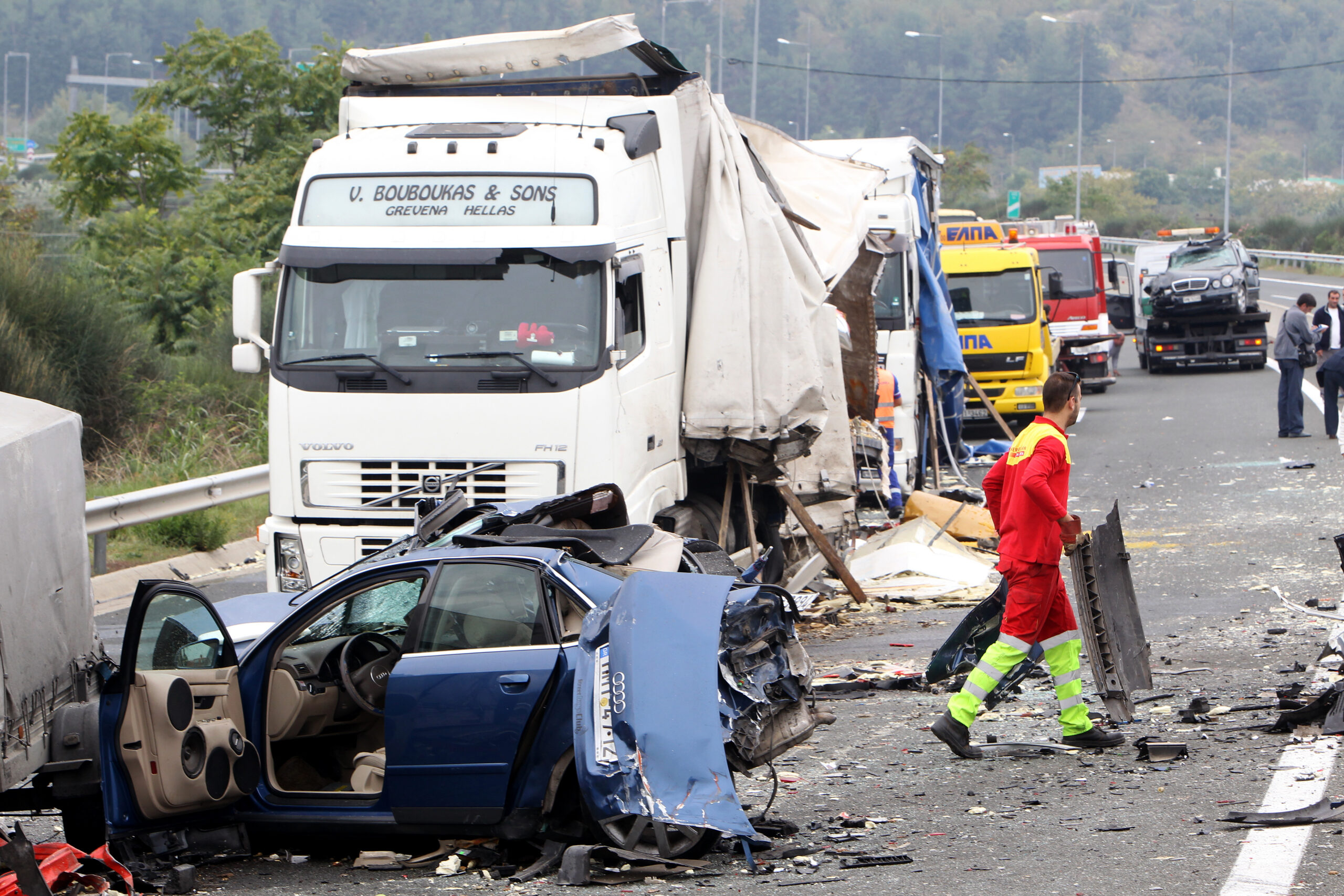


A Chesapeake rear-end crash involving three vehicles sent a 73-year-old Norfolk woman to the hospital…
Understanding Wrongful Death Claims After a Fatal Crash [Hampton, VA]

Losing a loved one in a car, truck, or motorcycle crash is devastating. Along with grief, families often face unexpected expenses, lost income, and questions about what happened and who is responsible. Virginia law allows certain family members to seek compensation through a wrongful death claim when a death is caused by another person’s negligence or wrongful conduct. Understanding how these claims work can help families in Hampton Roads make informed decisions during a very difficult time.
What Is a Wrongful Death Claim?
Under Virginia Code § 8.01-50, a wrongful death claim may be brought when a person’s death is caused by the wrongful act, neglect, or default of another, in circumstances where the person could have filed an injury claim had they survived. In traffic crashes, this can involve drivers who were speeding, distracted, impaired, or otherwise careless. It can also involve others whose negligence contributed to the crash, such as a trucking company or the party responsible for maintaining a vehicle.
A wrongful death claim is a civil case, separate from any criminal charges. A family does not need to wait for a criminal case to end, and a civil claim may still be possible even if no charges are filed.
Who Can File and Who Can Recover
In Virginia, a wrongful death lawsuit must be filed by the personal representative of the deceased person’s estate, not directly by individual family members. The personal representative brings the claim on behalf of the people the law identifies as beneficiaries.
Virginia Code § 8.01-53 establishes classes of statutory beneficiaries and determines who may recover based on the family members who survive the deceased person. These beneficiaries may include a surviving spouse, children, descendants of deceased children, parents, siblings, and certain other relatives, depending on the circumstances.
What Damages May Be Available
Virginia Code § 8.01-52 describes the types of damages that may be recovered in a wrongful death case. These can include compensation for sorrow, mental anguish, and the loss of the person’s companionship, comfort, and guidance.
Families may also seek compensation for the reasonably expected loss of income, services, protection, care, and assistance the person would have provided. Reasonable medical expenses related to the injury that caused the death and reasonable funeral expenses may also be recovered. In some cases, punitive damages may be available when the conduct that caused the death was willful or wanton.
Deadlines and Virginia’s Fault Rules
Timing matters in wrongful death cases. Under Virginia Code § 8.01-244, a wrongful death action generally must be filed within two years of the date of death. Certain circumstances can affect how the filing deadline applies.
Virginia’s contributory negligence rule can also affect these claims. If the person who died was negligent and that negligence contributed to causing the crash, Virginia’s contributory negligence rule may bar recovery. For that reason, a careful investigation of how the crash happened can be especially important.
Talk With a Hampton Roads Wrongful Death Attorney
No legal claim can undo the loss of a loved one, but a wrongful death claim may help a family address financial losses and other consequences resulting from a fatal crash. The Stellute Law Firm represents families in wrongful death cases throughout Hampton, Newport News, Williamsburg, and the greater Hampton Roads region. Contact The Stellute Law Firm today for a free, confidential consultation.
Frequently Asked Questions
Who can file a wrongful death lawsuit in Virginia?
In Virginia, a wrongful death lawsuit is filed by the personal representative of the deceased person’s estate. That person brings the claim on behalf of the family members or other beneficiaries identified by Virginia law.
How long does a family have to file a wrongful death claim in Virginia?
A Virginia wrongful death action generally must be filed within two years of the date of death, although certain circumstances can affect the applicable deadline. Because evidence can become more difficult to preserve over time, early investigation may be important.
Can we file a wrongful death claim if no criminal charges were filed?
Yes. A wrongful death claim is a civil case and is separate from any criminal case. A family may still be able to pursue a claim even if the at-fault driver was never criminally charged. The standards and procedures that apply to civil and criminal cases are different.
What kinds of compensation can a family recover?
Depending on the circumstances, damages may include compensation for sorrow and mental anguish, loss of companionship and guidance, reasonably expected lost income and services, certain medical expenses related to the fatal injury, and reasonable funeral expenses. Punitive damages may also be available in some cases involving willful or wanton conduct.
How does Virginia’s contributory negligence rule affect wrongful death cases?
If the person who died was negligent and that negligence contributed to causing the crash, Virginia’s contributory negligence rule may bar recovery. Because fault can significantly affect a wrongful death claim, evidence showing how the collision occurred can be especially important.
Sources: Code of Virginia § 8.01-50; Code of Virginia § 8.01-52; Code of Virginia § 8.01-53; Code of Virginia § 8.01-244
Map of Hampton, Virginia, where families may pursue wrongful death claims after fatal crashes caused by negligence.

Related Posts