

The Virginia move over law protects people working or waiting beside stopped vehicles on highways…
73-Year-Old Driver Hospitalized After Three-Vehicle Rear-End Crash on Chesapeake Boulevard [Chesapeake, VA]
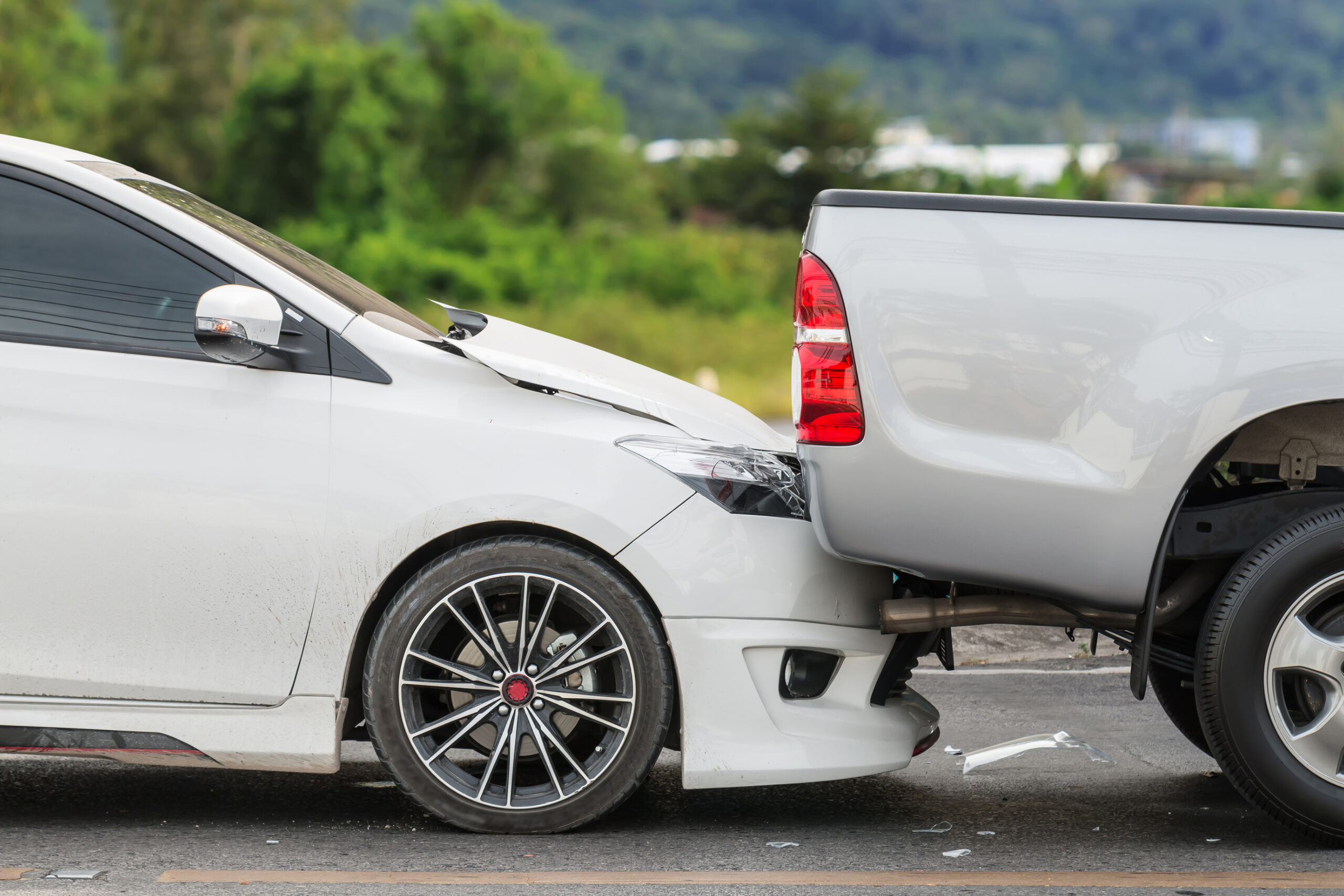
A Chesapeake rear-end crash involving three vehicles sent a 73-year-old Norfolk woman to the hospital on Saturday afternoon, October 31, 2026. The collision occurred at the intersection of Chesapeake Boulevard and Kennedy Street at approximately 3:15 p.m.
Police reported that the injured woman was also issued a traffic citation for following too closely. Her injuries were not considered life-threatening.
Authorities have not released the complete sequence of events leading to the collision or identified the specific injuries the woman sustained.
What Happened at Chesapeake Boulevard and Kennedy Street?
According to police, officers responded to a reported collision at Chesapeake Boulevard and Kennedy Street at approximately 3:15 p.m. on October 31.
Investigators determined that three vehicles were involved in a rear-end collision.
The driver of the first vehicle, a 73-year-old woman from Norfolk, was transported to a hospital with injuries that were not considered life-threatening.
Police also issued the woman a citation for following too closely.
A traffic citation represents an alleged violation and does not automatically establish civil liability for the collision.
Officials have not released additional information about the other two drivers or confirmed whether anyone else was injured.
The available reporting does not describe the precise order of impacts or establish every circumstance that contributed to the accident.
How the Chesapeake Rear-End Crash Raises Questions About Following Distance
Following distance is an important consideration in rear-end collisions, particularly when traffic slows or stops near an intersection.
Drivers must allow enough space to respond reasonably to changing roadway conditions.
Under Virginia Code § 46.2-816, motorists must not follow another vehicle more closely than is reasonable and prudent, considering the speed of the vehicles, traffic conditions, and roadway circumstances.
In the October 31 collision, police reported issuing a following-too-closely citation to the injured driver.
However, the citation alone does not explain the entire sequence of impacts involving the three vehicles.
The available information also does not establish whether another driver’s actions contributed to the collision.
Determining responsibility for injuries or property damage requires reviewing the relevant evidence rather than relying solely on the issuance of a citation.
Why Three-Vehicle Rear-End Collisions Can Be Complicated
A rear-end collision involving three vehicles may raise questions that are less straightforward than those in a two-vehicle accident.
For example, investigators may need to determine whether one vehicle struck another and caused a secondary impact or whether separate collisions occurred.
The positions of the vehicles, damage patterns, witness statements, and other available evidence may help establish the sequence.
However, these are general investigative considerations.
The available reporting about the October 31 crash does not establish that it was a chain-reaction collision.
Although police described the incident as a three-vehicle rear-end collision, they did not publicly explain how each vehicle was involved.
Our auto accident practice area provides additional information about motor vehicle collision claims.
How Injuries From Rear-End Collisions Are Evaluated
Rear-end collisions can cause different injuries depending on the force of impact, vehicle movements, and individual circumstances.
Potential injuries may include neck and back strains, head injuries, fractures, or other physical trauma.
Some symptoms may also become more noticeable after the initial collision.
However, the type and severity of an injury cannot be determined from a crash description alone.
In the October 31 incident, police confirmed that the 73-year-old driver was transported to a hospital with injuries that were not considered life-threatening.
The woman’s specific injuries were not publicly identified.
There is no reported basis to conclude that she sustained a concussion, spinal injury, fracture, or another particular condition.
Our Chesapeake injury information explains more about injuries that may arise in motor vehicle collisions.
How Fault Is Determined After a Three-Vehicle Collision
Legal responsibility for a multi-vehicle collision depends on the evidence establishing how the accident occurred.
A driver who follows another vehicle too closely may be negligent if that conduct contributes to causing a collision.
However, the circumstances of each impact must be evaluated.
In some accidents, more than one driver’s actions may contribute to the resulting injuries or property damage.
In others, the evidence may establish responsibility on the part of only one driver.
The issuance of a traffic citation can be relevant to an investigation, but a citation is not itself a final civil finding of negligence.
In the October 31 Chesapeake rear-end crash, the injured woman received a following-too-closely citation.
That fact should be considered alongside the complete collision evidence, which has not been publicly released.
No final determination of civil liability has been reported.
Virginia’s Contributory Negligence Rule
Virginia follows a contributory negligence rule that can significantly affect personal injury claims.
Under this rule, an injured person’s own negligence may bar recovery from another negligent party if that conduct contributed to causing the accident or resulting harm, subject to applicable exceptions.
However, contributory negligence is not established merely because a person received a traffic citation.
A legally relevant finding requires evidence of negligent conduct and its causal relationship to the injury.
This distinction can be particularly important when several vehicles are involved and the sequence of impacts is unclear.
Our article on Virginia’s contributory negligence rule provides additional information about how the doctrine affects accident claims.
How Police Investigate Rear-End Collisions
Police investigating a rear-end collision may examine the vehicles, roadway conditions, physical evidence, and statements from those involved.
In a three-vehicle accident, the location and type of damage to each vehicle may help establish how the impacts occurred.
Witness accounts, available photographs, and video recordings may provide additional information.
Officers may also issue citations when their investigation identifies evidence of an alleged traffic violation.
In the October 31 collision, police reported that three vehicles were involved and that the injured driver was cited for following too closely.
The available reporting does not establish whether officers obtained surveillance footage or other recordings.
It also does not provide a complete reconstruction of the collision.
Insurance Coverage After a Rear-End Crash
When several vehicles are involved in an accident, multiple automobile insurance policies may become relevant.
If another driver’s negligence causes injuries or property damage, that driver’s applicable liability coverage may provide compensation for qualifying losses.
However, responsibility must be established before determining which policies may apply.
Virginia drivers may also have medical payments coverage, commonly called MedPay, under their own automobile insurance policies.
When purchased, MedPay may help cover eligible medical expenses regardless of who caused the collision, subject to the policy’s terms and limits.
Uninsured and underinsured motorist coverage may also become relevant under Virginia Code § 38.2-2206 when applicable requirements are satisfied.
The available reporting does not identify the insurance coverage held by anyone involved in the October 31 collision.
What Compensation May Be Available After a Rear-End Crash?
When another party’s negligence causes injuries or property damage, compensation may be available for legally recoverable losses.
Depending on the circumstances, these may include medical expenses, rehabilitation costs, lost income, property damage, and pain and suffering.
The availability of compensation depends on the evidence, the applicable law, and the facts of the individual claim.
A person’s age alone does not establish the severity of an injury or the amount of recoverable damages.
However, the effects of an injury on daily activities, medical needs, and independence may be relevant when supported by evidence.
In the October 31 collision, the injured woman’s specific medical condition and financial losses have not been reported.
What to Do After a Three-Vehicle Rear-End Crash
A collision involving several vehicles can create immediate safety concerns and questions about insurance and responsibility.
Several steps may help protect motorists and preserve important information.
Prioritize safety. Follow emergency responders’ instructions and avoid standing in active traffic lanes.
Call 911 when necessary. Report injuries, hazards, and the location of the collision.
Seek appropriate medical attention. Anyone experiencing pain, concerning symptoms, or possible injuries should obtain medical evaluation.
Exchange information. When safe, collect contact and insurance information from the drivers involved.
Document the scene. Photographs of vehicle damage, roadway conditions, and other relevant details may be useful.
Preserve records. Keep medical bills, repair estimates, insurance correspondence, and other accident-related documents.
Notify your insurance company. Follow applicable policy reporting requirements and keep records of communications.
Virginia Deadlines for Rear-End Accident Lawsuits
Virginia law establishes filing deadlines for personal injury and property damage lawsuits.
Under Virginia Code § 8.01-243(A), most personal injury lawsuits must be filed within two years after the cause of action accrues, subject to applicable exceptions.
Virginia Code § 8.01-243(B) generally provides a five-year filing period for lawsuits involving injury to property.
These deadlines are separate from insurance policy notice requirements.
Preserving evidence and evaluating potential claims promptly can help motorists understand which legal requirements apply.
Frequently Asked Questions
Is a Driver Who Receives a Following-Too-Closely Ticket Automatically at Fault?
No. A traffic citation is an allegation of a violation, not an automatic determination of civil liability. Responsibility for injuries or property damage depends on the evidence and applicable law.
Can I Recover Compensation if I Was Cited After a Crash?
Possibly, depending on the circumstances. Virginia’s contributory negligence rule may bar recovery when an injured person’s negligence contributed to causing the accident or resulting harm, subject to exceptions. A citation alone does not resolve that question.
Who Pays for Damages in a Three-Vehicle Rear-End Collision?
Responsibility depends on how the collision occurred and which parties, if any, acted negligently. Insurance coverage and potential compensation must be evaluated based on the evidence and applicable policies.
Should Older Adults Seek Medical Attention After a Rear-End Collision?
Older adults who experience pain, concerning symptoms, or possible injuries after a collision should obtain appropriate medical evaluation. Medical professionals can assess potential injuries and recommend treatment based on individual circumstances.
How Long Do I Have to File a Car Accident Lawsuit in Virginia?
Most personal injury lawsuits must be filed within two years under Virginia Code § 8.01-243(A), subject to exceptions. Lawsuits involving injury to property generally have a five-year deadline under § 8.01-243(B).
Speak With a Chesapeake Car Accident Attorney
Rear-end collisions involving several vehicles can raise complicated questions about responsibility, insurance coverage, and potential compensation.
When a driver receives a traffic citation, evaluating the complete evidence remains important to understanding how the collision occurred and whether a valid injury claim exists.
If you or a loved one was injured in a rear-end accident in Chesapeake, Norfolk, Virginia Beach, or elsewhere in Hampton Roads, The Stellute Law Firm can help you understand your rights and available legal options.
Our Chesapeake personal injury lawyers can review the circumstances of a potential claim.
Contact The Stellute Law Firm to request a consultation.
Source: WAVY
Map of Chesapeake Boulevard and Kennedy Street, where a three-vehicle rear-end collision on October 31, 2026, sent a 73-year-old Norfolk woman to the hospital with non-life-threatening injuries.

Related Posts