

A Norfolk I-64 crash temporarily closed all eastbound lanes near Northampton Boulevard early Friday morning,…
Two Seriously Injured After Driver Fleeing State Police Crashes on East Little Creek Road [Norfolk, VA]
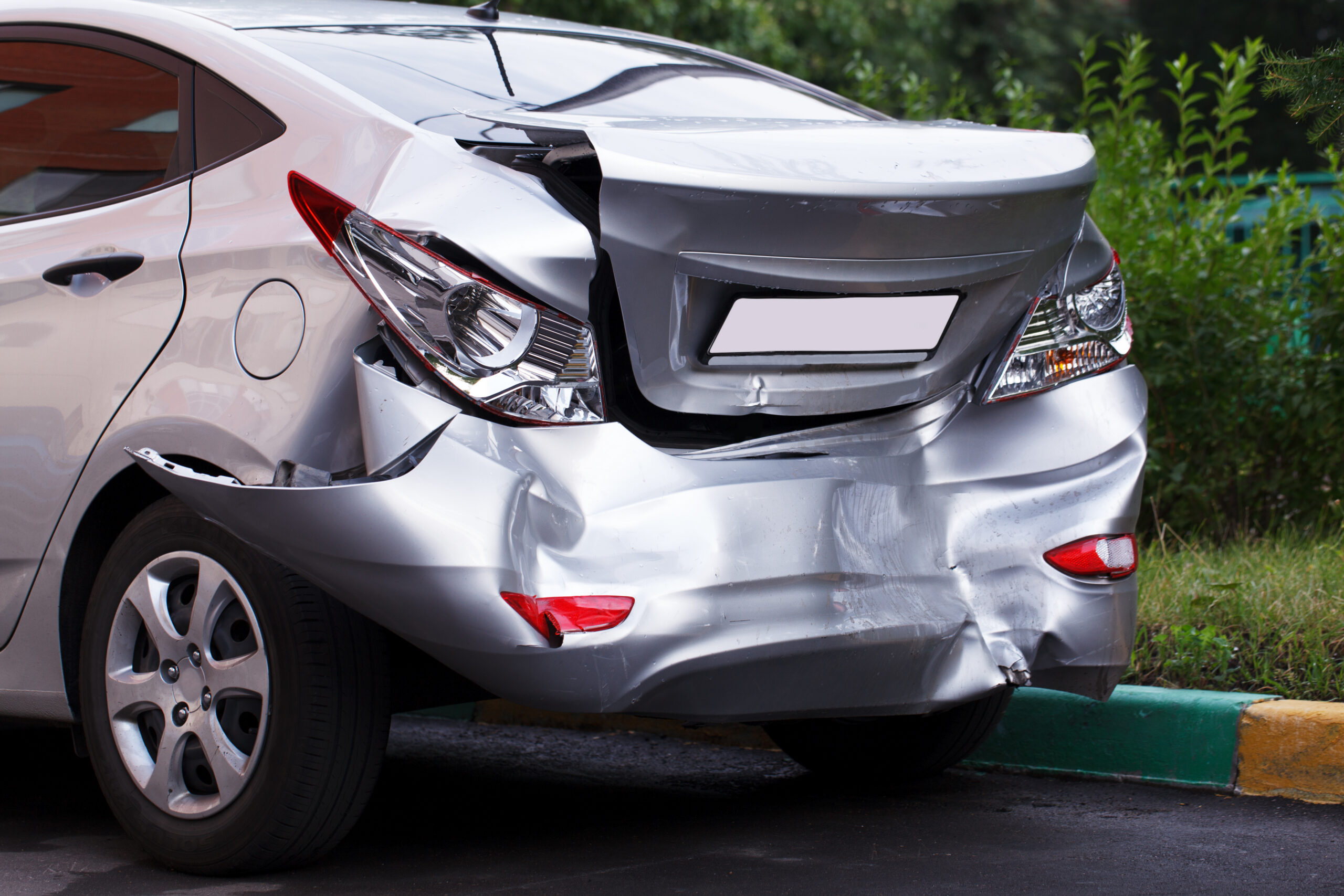
Two people suffered serious injuries after a driver reportedly fleeing Virginia State Police crashed into another vehicle on East Little Creek Road in Norfolk on Thursday night, October 15, 2026.
According to authorities, the incident began when a state trooper attempted to stop a vehicle traveling at a high rate of speed on westbound Interstate 64 near Tidewater Drive. The driver reportedly refused to stop and subsequently collided with another vehicle after leaving the interstate.
A man and woman in the second vehicle sustained serious injuries that were not considered life-threatening.
The Norfolk police pursuit crash resulted in roadway closures and multiple criminal charges against the driver accused of fleeing the traffic stop.
What Happened on East Little Creek Road?
According to Virginia State Police, a trooper observed a vehicle traveling at a high rate of speed on westbound Interstate 64 near Tidewater Drive at approximately 10:33 p.m. Thursday.
The trooper attempted to conduct a traffic stop, but the driver reportedly refused to pull over.
The vehicle then exited the interstate onto East Little Creek Road, where it collided with another vehicle.
A man and woman occupying the second vehicle suffered serious injuries. Authorities described their injuries as non-life-threatening.
Norfolk police were dispatched to assist with traffic control at approximately 10:40 p.m.
The 300 block of East Little Creek Road was closed in both directions, along with Exit 276C from westbound Interstate 64.
The roadway reopened at approximately 1:25 a.m.
Authorities reported that the driver accused of fleeing the traffic stop, 21-year-old Josue Saul Dominguez Caceres of Norfolk, was charged with felony eluding, reckless driving by speeding, and having no front license plate.
These charges are allegations. The accused is presumed innocent unless proven guilty in court.
How Police Pursuit Crashes Can Affect Other Motorists
When a driver reportedly refuses to stop for law enforcement, other motorists may become involved in a dangerous situation without warning.
A collision following an attempted traffic stop can raise questions about the fleeing driver’s actions, the circumstances of the pursuit, and what caused the vehicles to collide.
In this incident, authorities reported that the driver refused to stop on Interstate 64 before exiting onto East Little Creek Road and striking another vehicle.
However, the available report does not establish every movement made by the driver or identify all circumstances that contributed to the collision.
Determining civil responsibility requires examining the available evidence rather than assuming that criminal charges alone resolve every question about liability.
Virginia Law on Eluding Police and Reckless Driving
Virginia has specific laws addressing drivers who refuse to comply with lawful police signals and those who operate vehicles at dangerous speeds.
Under Virginia Code § 46.2-817, a driver who willfully disregards a law enforcement officer’s signal to stop may face criminal penalties.
The offense may be classified as a felony when the statutory requirements involving endangerment are met.
However, not every failure to stop for law enforcement constitutes felony eluding.
Reckless Driving by Speed
Virginia Code § 46.2-862 defines certain speeding violations as reckless driving, including driving 20 mph or more above the posted speed limit or exceeding 85 mph regardless of the applicable speed limit.
Virginia also prohibits driving that endangers life, limb, or property under Virginia Code § 46.2-852.
In the October 15 incident, the accused driver faces charges related to eluding law enforcement and reckless driving by speeding.
Whether those charges result in convictions will depend on the criminal proceedings.
Criminal Charges and Civil Injury Claims Are Separate
When a collision results in criminal charges, injured individuals may have questions about whether they must wait for the criminal case to conclude before seeking compensation.
Criminal proceedings and civil personal injury claims serve different purposes.
A criminal case is brought by the Commonwealth to determine whether the accused violated criminal law and, if so, what penalties should apply.
A civil personal injury claim generally seeks compensation for losses caused by another party’s legally actionable conduct.
A Criminal Conviction Is Not Always Required
An injured person does not necessarily need a criminal conviction against the other driver before pursuing a civil claim.
The civil case may proceed separately, and the applicable legal standards differ from those in a criminal prosecution.
Evidence developed during a criminal investigation may be relevant to a civil case, but its availability and admissibility depend on the circumstances.
Our auto accident practice area explains additional considerations that may affect claims involving negligent drivers.
What Compensation May Be Available After a Serious Crash?
When another driver’s negligence causes injuries, a personal injury claim may seek compensation for qualifying losses.
Depending on the circumstances, recoverable damages may include:
- Emergency medical treatment and hospitalization
- Follow-up appointments and rehabilitation
- Lost income from missed work
- Reduced earning capacity when supported by evidence
- Vehicle repair or replacement costs
- Physical pain and suffering
- Other legally recoverable accident-related losses
The availability and amount of compensation depend on the nature of the injuries, supporting documentation, and applicable law.
In the East Little Creek Road collision, authorities reported that both injured occupants suffered serious but non-life-threatening injuries.
Specific medical diagnoses and long-term effects have not been publicly released.
Insurance Coverage After a Crash Involving a Fleeing Driver
When a driver causes a collision, the driver’s applicable automobile liability insurance may provide compensation for covered injuries and other losses.
However, insurance questions can become more complicated when the responsible driver has insufficient coverage, lacks insurance, or disputes arise over the policy’s terms.
Under Virginia Code § 38.2-2206, uninsured and underinsured motorist coverage may provide an additional source of compensation in qualifying circumstances.
Whether coverage applies depends on the relevant policies, the facts of the collision, and applicable Virginia law.
The fact that a driver reportedly fled police does not, by itself, establish whether the driver had insurance or whether a particular policy will cover the collision.
Injured individuals may benefit from identifying all potentially applicable insurance policies before resolving their claims.
How Contributory Negligence Affects Virginia Injury Claims
Virginia follows a contributory negligence rule that can significantly affect an injured person’s ability to recover compensation.
If an injured person was negligent and that negligence contributed to causing the collision, the rule may bar recovery, subject to applicable exceptions.
This makes evidence about the actions of everyone involved important when determining civil responsibility.
However, the fact that another driver faces criminal charges does not automatically establish that an injured motorist contributed to the collision.
Likewise, the available report does not indicate that the two injured occupants engaged in any conduct that contributed to the crash.
Our article on Virginia’s contributory negligence rule explains how this legal standard may affect car accident cases.
What Evidence May Matter After a Police Pursuit Collision?
Collisions involving an attempted traffic stop may produce evidence from several sources.
Depending on what was recorded or preserved, relevant information may include:
- Police reports and officer statements
- Dash camera or body camera recordings
- Dispatch and radio communications
- Witness accounts
- Traffic camera or nearby surveillance footage
- Vehicle damage and roadway evidence
- Medical records documenting the injuries
Not every form of evidence will necessarily be available.
For example, investigators may review law enforcement recordings or vehicle information, but the available reporting does not confirm which materials were collected in the October 15 case.
Evidence from the criminal investigation may help clarify how the collision occurred and whether another driver’s negligence caused the injuries.
Preserving relevant records early can be important because some recordings and other materials may not remain available indefinitely.
What to Do After Being Injured by a Driver Fleeing Police
A collision involving a driver accused of fleeing law enforcement can leave injured motorists facing both medical concerns and questions about the ongoing criminal investigation.
Several steps may help protect an injured person’s interests.
1. Seek Appropriate Medical Treatment
Obtain emergency medical care when necessary and follow recommended treatment plans.
Keep records of appointments, diagnoses, prescriptions, and other accident-related medical expenses.
2. Identify the Investigating Agencies
When multiple law enforcement agencies respond, determine which agency is handling the collision investigation and how to request an available report.
In this incident, Virginia State Police reported the attempted traffic stop, while Norfolk police assisted with traffic control.
3. Preserve Available Evidence
Save photographs, witness contact information, vehicle repair estimates, and any other records connected to the collision.
If nearby businesses or other sources may have recorded the crash, identifying that footage early can be useful.
4. Keep Records of Financial Losses
Document medical bills, missed work, transportation expenses, and other losses associated with the injuries.
These records may help establish damages in a potential civil claim.
5. Notify Your Insurance Company
Report the collision as required by your policy and comply with applicable cooperation requirements.
Be cautious about providing recorded statements to another driver’s insurance company before understanding your rights.
6. Understand Your Rights During the Criminal Case
Individuals injured in a collision involving criminal charges may have rights under Virginia law concerning certain notifications and participation in the criminal justice process.
However, the criminal case and any civil injury claim are separate matters.
A civil claim should not automatically be delayed while waiting for criminal proceedings to conclude.
Filing Deadlines for Norfolk Car Accident Claims
Under Virginia Code § 8.01-243(A), most personal injury lawsuits in Virginia must be filed within two years after the cause of action accrues, subject to applicable exceptions.
The existence of criminal charges does not automatically suspend the filing deadline for a civil personal injury lawsuit.
Insurance policies may also require notice or other action sooner than the deadline for filing a lawsuit.
Individuals considering a claim should account for these separate requirements rather than assuming that the criminal investigation will preserve their civil rights.
Frequently Asked Questions
Is fleeing from police a felony in Virginia?
It can be. Under Virginia Code § 46.2-817, willfully disregarding a law enforcement officer’s signal to stop may result in criminal charges. The offense may be classified as a felony when the statutory endangerment requirements are met. Not every failure to stop constitutes felony eluding.
Can I pursue compensation if a driver fleeing police caused my injuries?
Potentially. An injured person may pursue a civil personal injury claim when another driver’s negligence or other legally actionable conduct caused their injuries. Whether compensation is available depends on the evidence, applicable law, and available insurance coverage.
Do I have to wait for the criminal case to finish before filing a civil claim?
Generally, no. Criminal prosecutions and civil personal injury claims are separate proceedings. A criminal conviction is not necessarily required before an injured person can pursue compensation, and applicable civil filing deadlines still matter.
Can punitive damages be awarded in a Virginia car accident case?
In limited circumstances, punitive damages may be available when the evidence establishes conduct meeting Virginia’s legal requirements, such as willful or wanton disregard for the safety of others. Whether punitive damages apply depends on the facts, and Virginia law limits the amount that may be awarded.
How long do I have to file a car accident lawsuit in Norfolk?
Most personal injury lawsuits in Virginia must be filed within two years under Virginia Code § 8.01-243(A), subject to applicable exceptions. Insurance notice requirements and evidence preservation concerns may require action much sooner.
Speak With a Norfolk Car Accident Attorney
A collision involving a driver accused of fleeing law enforcement can leave injured motorists facing medical expenses, insurance questions, and uncertainty about how the criminal case may affect their rights.
Understanding the distinction between criminal charges and civil liability can help injured individuals make informed decisions about pursuing compensation.
If you or a loved one was injured in a car accident in Norfolk, Hampton, or elsewhere in Hampton Roads, The Stellute Law Firm can help you understand your options under Virginia law.
Contact The Stellute Law Firm to request a consultation about your circumstances.
Source: WAVY
Map of the 300 block of East Little Creek Road in Norfolk, Virginia, where two people were seriously injured in a collision involving a driver reportedly fleeing Virginia State Police on October 15, 2026.

Related Posts