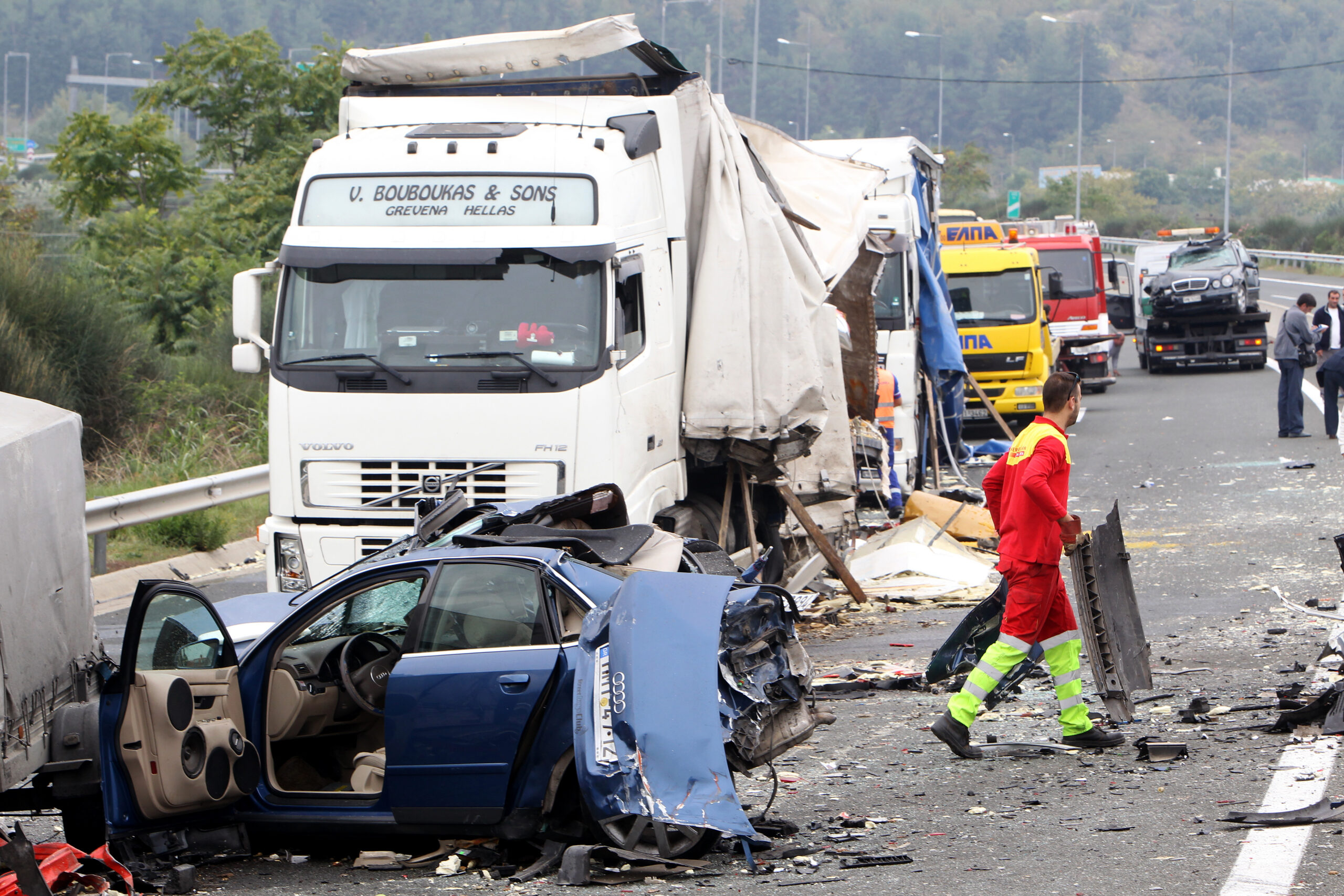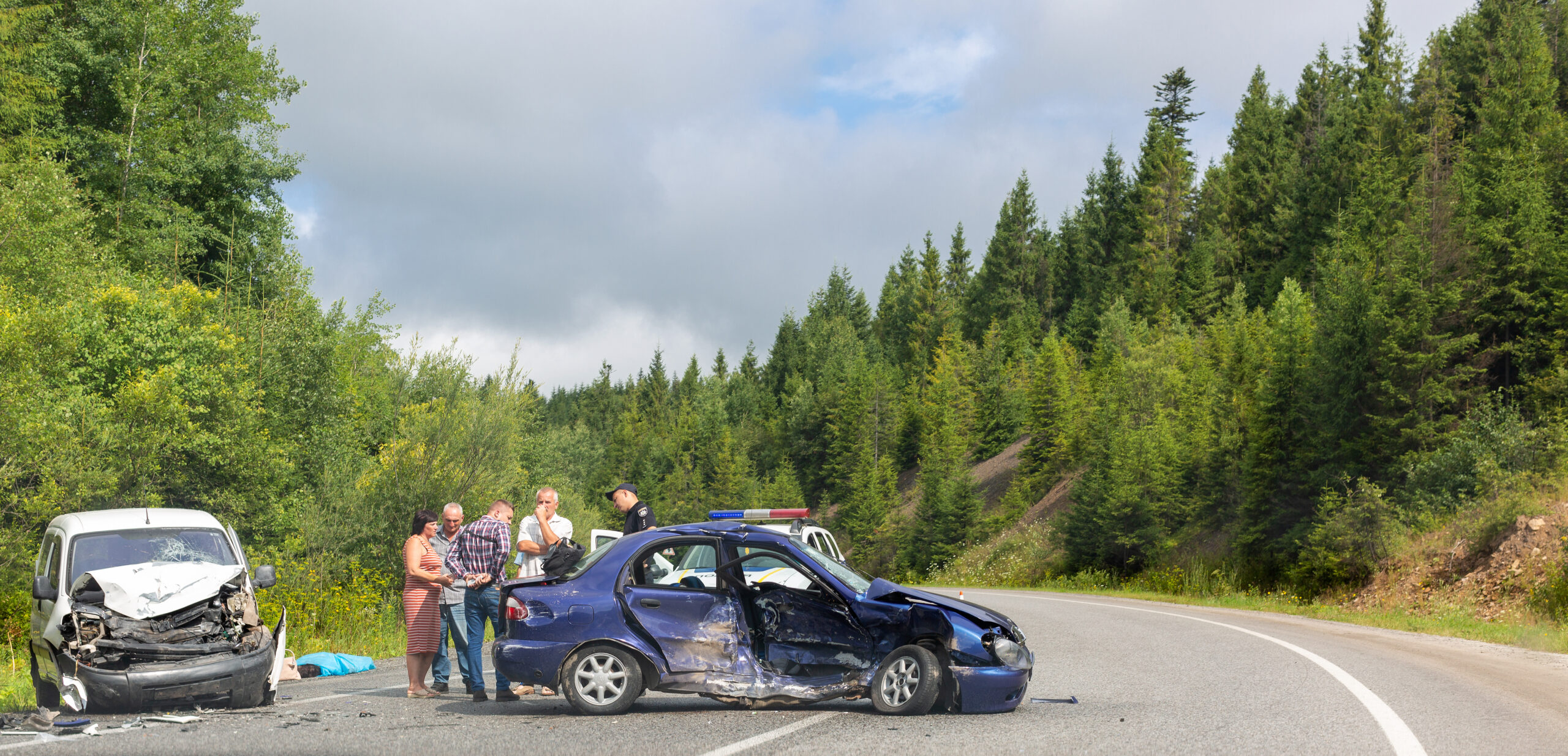


A Norfolk I-64 crash temporarily closed all eastbound lanes near Northampton Boulevard early Friday morning,…
Pedestrian Injured in Hit-and-Run Near Norfolk State University During Homecoming [Norfolk, VA]

A 51-year-old man was hospitalized after being struck by a vehicle near Norfolk State University on Saturday evening, October 10, 2026. The collision occurred at the intersection of Mapole Avenue and Corprew Avenue during the university’s homecoming weekend.
According to Norfolk police, the vehicle involved left the scene and was later located without anyone inside. The pedestrian suffered injuries that were not considered life-threatening.
The Norfolk pedestrian hit-and-run remains under investigation as authorities work to determine who was driving the vehicle when the collision occurred.
What Happened Near Norfolk State University
Norfolk police responded to the intersection of Mapole Avenue and Corprew Avenue at approximately 7:30 p.m. Saturday after receiving a report of a pedestrian struck by a vehicle.
Officers found a 51-year-old man who had been injured in the collision. He was transported to a hospital with injuries described as non-life-threatening.
Police reported that the vehicle involved did not remain at the scene. Authorities subsequently located the vehicle, but no one was inside when it was recovered.
Investigators canvassed the surrounding area for information about the collision and the person who had been operating the vehicle.
Police have not publicly identified the injured pedestrian or announced whether a driver has been identified or charged. The circumstances leading to the collision remain under investigation.
Pedestrian Safety Concerns During Large Campus Events
The collision occurred during Norfolk State University’s homecoming weekend, when students, alumni, and visitors were gathering near campus for scheduled activities.
Large events can bring additional pedestrian and vehicle traffic to surrounding streets, particularly near parking areas, intersections, and campus entrances.
Drivers approaching these areas should remain attentive to people walking near the roadway, while pedestrians should use available crossings and follow applicable traffic signals.
However, authorities have not indicated that crowding, driver distraction, impaired driving, or pedestrian conduct contributed to the October 10 collision.
Determining how the crash occurred will require evidence from the ongoing investigation.
Virginia Law Requires Drivers to Stop After an Injury Crash
Under Virginia Code § 46.2-894, a driver involved in a collision resulting in injury, death, or property damage generally must immediately stop as close to the scene as possible without obstructing traffic.
The law also requires drivers to provide identifying information and render reasonable assistance to anyone injured, including arranging medical transportation when necessary or requested.
When a driver fails to comply with these requirements, criminal penalties may apply.
A driver’s failure to stop after a collision involving an injured person can constitute a Class 5 felony under Virginia law. However, the specific offense and penalties depend on the circumstances and the statutory requirements.
In the October 10 incident, police reported that the vehicle left the scene, but they had not publicly identified the person who was driving.
Recovering the vehicle does not, by itself, establish who operated it or whether a particular individual violated the law.
How Virginia Pedestrian Right-of-Way Laws Apply
Virginia law establishes responsibilities for both motorists and pedestrians at intersections and pedestrian crossings.
Under Virginia Code § 46.2-924, drivers must stop for pedestrians crossing in specified locations, including marked crosswalks and certain unmarked crossings at intersections.
The statute also addresses pedestrian crossings at intersections where the speed limit is 35 mph or less, subject to its requirements.
Pedestrians have responsibilities under Virginia Code § 46.2-923, including using intersections or marked crosswalks wherever possible and exercising reasonable care when entering a roadway.
Determining whether a driver or pedestrian violated these requirements depends on the circumstances, including where the pedestrian was crossing, applicable traffic signals, and the actions of those involved.
Police have not released enough information about the Mapole Avenue collision to determine how these laws may apply to the incident.
What Happens When a Hit-and-Run Driver Cannot Be Identified?
When a driver leaves the scene of a pedestrian collision, identifying the person responsible may become an important part of both the police investigation and any potential injury claim.
In this case, authorities located the vehicle involved, but the driver had not been publicly identified.
Investigators may examine vehicle registration records, damage, witness statements, and available surveillance footage to determine who was operating the vehicle.
However, identifying a vehicle’s registered owner does not automatically establish that the owner was driving when the collision occurred.
Uninsured Motorist Coverage May Provide Options
An injured pedestrian may have potential insurance options even when the driver responsible for a collision cannot be identified.
Under Virginia Code § 38.2-2206, uninsured motorist coverage may apply to certain accidents involving unidentified drivers.
Depending on the applicable policy and circumstances, an injured pedestrian may be covered through their own automobile insurance or another qualifying policy.
Coverage may depend on the person’s insured status, policy provisions, and compliance with applicable legal and reporting requirements.
Our page on hit-and-run accidents provides additional information about the legal issues that may arise when a driver leaves the scene.
We also discuss practical steps in our article about what to do after a hit-and-run accident in Virginia.
How Contributory Negligence May Affect a Pedestrian Injury Claim
Virginia follows a contributory negligence rule that can affect an injured person’s ability to recover compensation.
If an injured pedestrian was negligent and that negligence contributed to causing the collision, the rule may bar recovery, subject to applicable exceptions.
However, the fact that a pedestrian was crossing outside a marked crosswalk or walking after dark does not automatically establish that the pedestrian caused the accident.
Determining responsibility requires examining the specific circumstances, including visibility, traffic conditions, driver conduct, and available evidence.
Our article on what pedestrians should know after being hit by a car explains additional considerations that may affect pedestrian accident claims.
What Evidence Matters in a Pedestrian Hit-and-Run Investigation?
Hit-and-run investigations often involve efforts to identify the vehicle, determine who was driving, and establish how the collision occurred.
Depending on the circumstances, investigators may examine:
- Witness statements from people who saw the collision or the vehicle leaving the scene
- Surveillance footage from nearby homes, businesses, or other buildings
- Traffic camera recordings, when available
- Vehicle damage and physical evidence recovered from the roadway
- Registration and ownership records for a recovered vehicle
- Other information that may help establish the driver’s identity and actions
Not every form of evidence will be available in every case.
When a vehicle has been recovered, investigators may be able to examine its condition and compare available evidence with information collected at the crash scene.
However, the recovery of a vehicle does not necessarily resolve questions about who was driving or how the collision occurred.
What to Do After Being Injured in a Hit-and-Run
If you are struck by a driver who leaves the scene, taking appropriate steps can help protect your health and preserve information relevant to an investigation or insurance claim.
- Call 911. Report the collision and request emergency medical assistance when necessary.
- Seek appropriate medical care. Obtain an evaluation for suspected injuries and follow recommended treatment.
- Record vehicle details. If possible, write down the vehicle’s color, make, model, license plate information, and direction of travel.
- Identify witnesses. Ask anyone who observed the collision or recorded video for their contact information.
- Preserve available evidence. Photographs, messages, witness information, and nearby camera footage may become important.
- Keep medical and expense records. Save treatment documents, medical bills, and other records associated with the collision.
- Notify your insurance company. Applicable uninsured motorist coverage may have reporting and cooperation requirements that should be addressed promptly.
An injured person should also be cautious about providing recorded statements to another party’s insurance company before understanding their rights. Any applicable obligations under their own insurance policy should still be followed.
Frequently Asked Questions
Is leaving the scene of an injury crash a felony in Virginia?
It can be. Under Virginia Code § 46.2-894, a driver who unlawfully leaves the scene of a collision involving injury or death may face a Class 5 felony charge. The applicable charge depends on the facts and statutory requirements. A criminal charge is not the same as a conviction.
Who pays for a pedestrian’s injuries if the hit-and-run driver is never found?
Uninsured motorist coverage may provide a potential source of compensation, depending on the applicable policy and circumstances. An injured pedestrian may qualify for coverage under their own automobile insurance or another qualifying policy, even if they were not occupying a vehicle when the collision occurred.
Does it matter if police find the vehicle but not the driver?
Yes. Recovering the vehicle may provide investigators with physical evidence and ownership information. However, identifying the vehicle does not automatically establish who was driving or whether a particular insurance policy covers the collision.
Can a pedestrian be found partially responsible for a hit-and-run crash?
Potentially. Virginia’s contributory negligence rule may affect recovery if an injured pedestrian was negligent and that negligence contributed to causing the collision. Whether the rule applies depends on the evidence and circumstances. A driver’s separate duty to stop after a crash remains relevant regardless of questions about the initial collision.
How long do I have to file a pedestrian injury lawsuit in Virginia?
Under Virginia Code § 8.01-243(A), most personal injury lawsuits must be filed within two years after the cause of action accrues, subject to applicable exceptions. Insurance reporting requirements may apply much sooner.
Speak With a Norfolk Pedestrian Accident Attorney
A pedestrian hit-and-run can leave an injured person facing medical expenses, questions about insurance coverage, and uncertainty about whether the responsible driver will be identified.
When a driver leaves the scene, preserving evidence and understanding available insurance options can become especially important.
If you or a loved one was injured in a pedestrian accident in Norfolk, Hampton, or elsewhere in Hampton Roads, The Stellute Law Firm can help you understand your legal options under Virginia law.
Contact The Stellute Law Firm to request a consultation about your circumstances.
Source: WAVY
Map of Mapole Avenue and Corprew Avenue near Norfolk State University, where a 51-year-old pedestrian was injured in a hit-and-run on October 10, 2026.

Related Posts