

The Virginia move over law protects people working or waiting beside stopped vehicles on highways…
What Pedestrians Should Know After Being Hit by a Car [Hampton, VA]
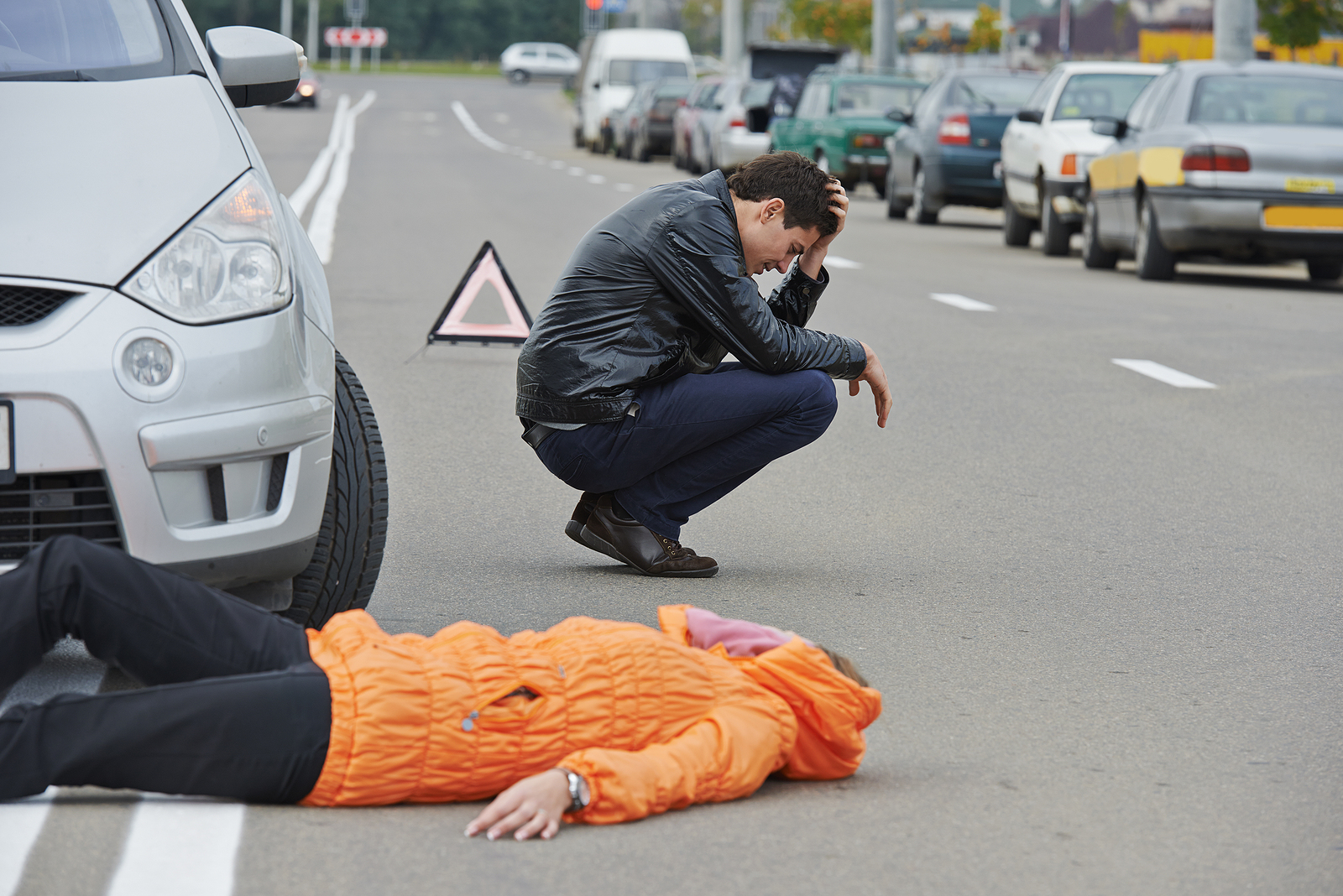
Pedestrians in Hampton share the road with vehicles along busy commercial corridors, neighborhood streets, parking lots, and intersections. When a pedestrian is struck by a vehicle, the resulting injuries can be severe and may raise difficult questions about fault, insurance coverage, and compensation.
Understanding how Virginia law applies to pedestrians and drivers can help an injured person know what to expect after a crash and what steps may help protect a potential claim.
Where Pedestrians and Drivers Share the Road in Hampton
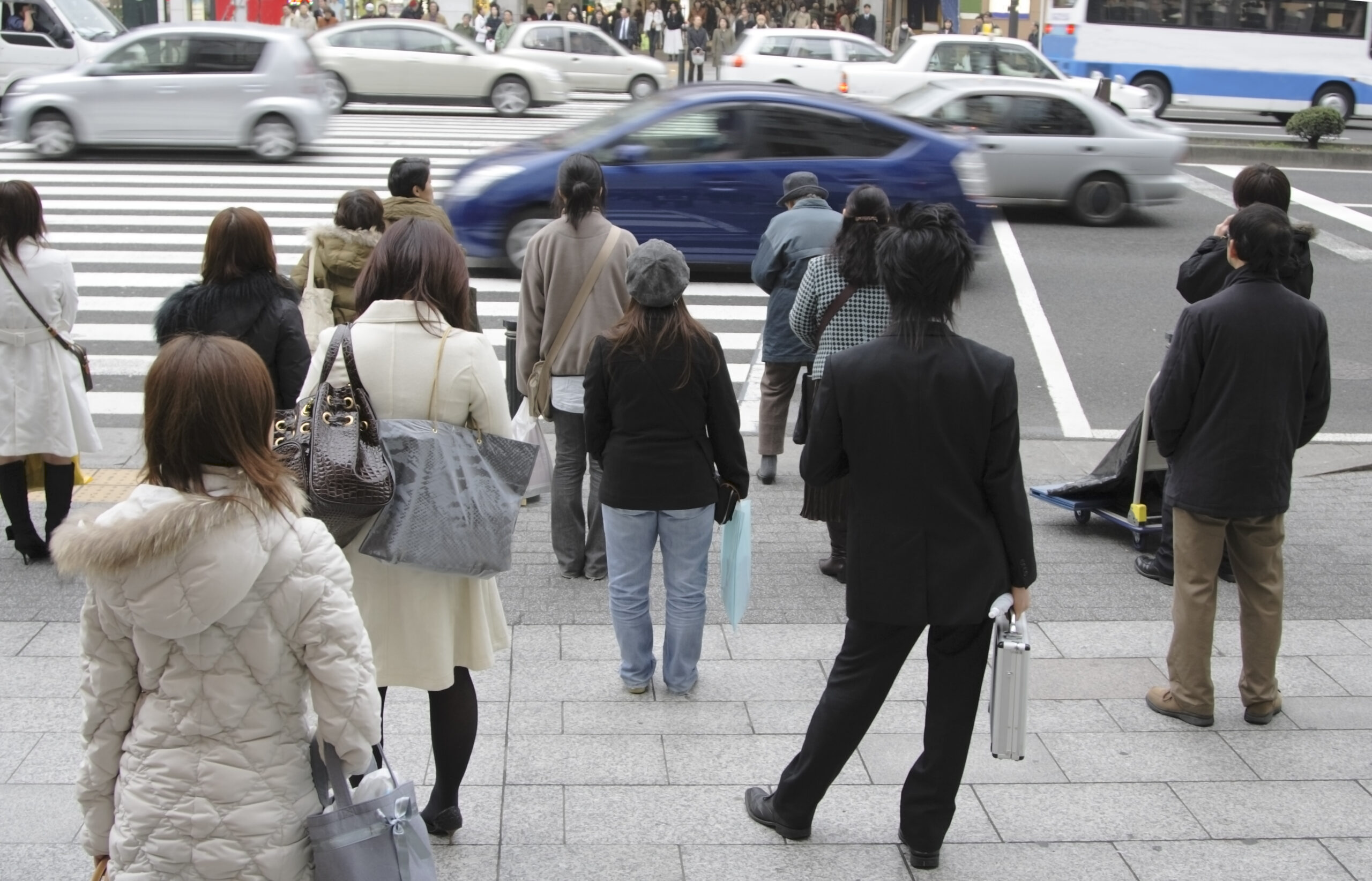
Hampton includes busy roads, shopping areas, neighborhoods, and intersections where pedestrians and vehicles regularly cross paths. Areas such as West Mercury Boulevard, Coliseum Central, Downtown Hampton, and Phoebus can bring pedestrians close to moving traffic.
Drivers and pedestrians both have responsibilities when sharing the road. Drivers must obey traffic laws and remain alert for people walking near or crossing roadways, while pedestrians must follow applicable crossing and roadway rules.
Driver Behaviors That Can Contribute to Pedestrian Accidents
A pedestrian crash can happen under many different circumstances. Driver behaviors that may contribute to a collision include:
- Distracted driving: Looking at a phone, navigation system, or another distraction can prevent a driver from noticing a pedestrian in time.
- Failing to yield: Drivers may cause a collision when they fail to stop or yield to a pedestrian when Virginia law requires it.
- Turning without checking for pedestrians: Drivers making right or left turns must remain alert for people crossing the roadway.
- Speeding: Excessive speed can reduce the amount of time a driver has to recognize and respond to a pedestrian.
- Impaired driving: Alcohol or drugs can affect a driver’s judgment, reaction time, and ability to operate a vehicle safely.
- Unsafe backing: Drivers leaving parking spaces or driveways may strike pedestrians if they fail to check the area behind the vehicle.
Determining what caused a Hampton pedestrian accident requires looking at the specific circumstances rather than assuming that either the driver or pedestrian was responsible.
Injuries After a Pedestrian Accident
Without the protection of a vehicle around them, pedestrians can suffer significant injuries when struck by a car or truck. Depending on the circumstances, injuries may include head and brain injuries, broken bones, back or spinal injuries, and internal injuries.
The Stellute Law Firm’s page on types of injuries provides more information about injuries that may result from serious accidents. The firm also has information about traumatic brain injuries and other serious conditions that can follow a collision.
Virginia Pedestrian Laws Every Walker and Driver Should Know
Virginia has specific traffic laws governing interactions between drivers and pedestrians. Which law applies can depend on where the pedestrian was walking or crossing and the circumstances surrounding the collision.
Under Virginia Code § 46.2-924, drivers are required to stop for pedestrians in certain crosswalks and crossing situations. The law also prohibits a driver from passing another vehicle that has stopped for a pedestrian under circumstances covered by the statute.
Pedestrians have responsibilities as well. Virginia Code § 46.2-923 addresses where pedestrians should cross roadways and makes clear that crossing outside a marked crosswalk does not automatically amount to negligence in certain circumstances.
Other Virginia laws address pedestrians entering traffic where their view is obstructed and walking along roadways without usable sidewalks. Virginia Code § 46.2-926 and § 46.2-928 may therefore become relevant depending on how a crash occurred.
Why Contributory Negligence Matters
Virginia follows a strict contributory negligence rule. If a pedestrian was negligent and that negligence contributed to causing the crash, the rule may bar the pedestrian from recovering compensation.
Questions about where the pedestrian was crossing, the traffic signals, the driver’s actions, visibility, witness accounts, and available video footage can become important when fault is disputed. Because crossing outside a marked crosswalk does not automatically establish negligence under Virginia law, the specific facts of the collision matter.
We discuss this rule in more detail in our article on how contributory negligence affects car accident claims.
Insurance Coverage After a Pedestrian Accident
When a driver causes a pedestrian accident, the driver’s liability insurance may provide coverage for resulting injuries and other losses. Other sources of insurance coverage may also be relevant.
For example, uninsured and underinsured motorist coverage may be available in some circumstances when the responsible driver has no insurance or insufficient coverage. Depending on the policy and who qualifies as an insured, coverage may sometimes apply even though the injured person was walking rather than driving.
If the responsible driver leaves the scene and cannot be identified, different insurance issues may arise. The firm’s information on hit-and-run accidents explains more about these situations.
Filing Deadlines for Pedestrian Injury Claims
Under Virginia Code § 8.01-243(A), personal injury actions in Virginia generally must be filed within two years after the cause of action accrues. Certain circumstances can affect how a filing deadline applies.
When a pedestrian accident is fatal, Virginia law allows a wrongful death action to be brought by the personal representative of the deceased person’s estate on behalf of statutory beneficiaries. Wrongful death actions are subject to a separate limitations provision and generally must be filed within two years of the person’s death, although exceptions may apply.
What to Do After Being Hit by a Car as a Pedestrian
The circumstances following a pedestrian crash can vary, especially when someone has been seriously injured. When possible, some steps may help preserve important information and documentation:
- Seek appropriate medical care. Medical evaluation and treatment can address injuries and create records of the care received after the crash.
- Get the driver’s information. Obtain the driver’s name, contact information, license plate number, and insurance information when possible.
- Identify witnesses. Contact information from people who saw the crash may become useful if fault is later disputed.
- Document the scene. Photographs of the roadway, crosswalk, traffic signals, vehicle, and other relevant conditions may help preserve details about the collision.
- Keep the police report information. Note the responding law enforcement agency and report number.
- Be cautious with insurance statements. An injured pedestrian should understand their rights before giving a recorded statement to the other driver’s insurance company.
- Keep records. Save medical bills, treatment information, insurance correspondence, and documentation of time missed from work.
The firm’s page on Hampton auto accidents provides additional information about vehicle accident claims on the Peninsula.
Frequently Asked Questions
Can I recover compensation if I was hit outside a crosswalk in Virginia?
Possibly. Crossing outside a marked crosswalk does not automatically mean that a pedestrian was negligent under Virginia law. Whether compensation may be available depends on where and how the pedestrian crossed, the driver’s actions, applicable traffic laws, and other circumstances surrounding the collision. Because Virginia follows contributory negligence, evidence showing how the crash occurred can be especially important.
How long do I have to file a pedestrian accident claim in Hampton, VA?
Personal injury actions in Virginia generally must be filed within two years after the cause of action accrues under Virginia Code § 8.01-243(A), although exceptions can affect the applicable deadline. Insurance policies may also impose separate notice requirements, and evidence such as surveillance footage may not remain available indefinitely.
Does my own car insurance cover me if I was hit while walking?
It may. Uninsured or underinsured motorist coverage may apply to an insured person injured as a pedestrian in certain circumstances. Other coverage may also be available depending on the policy. Whether coverage applies depends on the specific policy language and facts of the accident.
What if the driver who hit me drove away?
Virginia law requires drivers involved in certain crashes resulting in injury to stop and provide required information. If the driver cannot be identified, uninsured motorist coverage may provide a potential source of compensation in some cases. Reporting the collision to police and preserving any available information about the vehicle can be important.
Do I need a lawyer for a pedestrian accident claim?
Not every pedestrian accident claim requires an attorney. However, cases involving serious injuries, disputed fault, multiple sources of insurance coverage, or allegations of contributory negligence can become complicated. An attorney can review the circumstances, help identify relevant evidence and insurance coverage, and explain the legal options available.
Talk With a Hampton Pedestrian Accident Attorney
Being struck by a vehicle can result in significant injuries and questions about what happens next. If you or a family member was injured while walking in Hampton or elsewhere in the Hampton Roads region, The Stellute Law Firm can help you understand your legal options. Contact The Stellute Law Firm for a free consultation.
Map of Hampton, Virginia, where pedestrians and drivers share roads throughout the city.

Related Posts