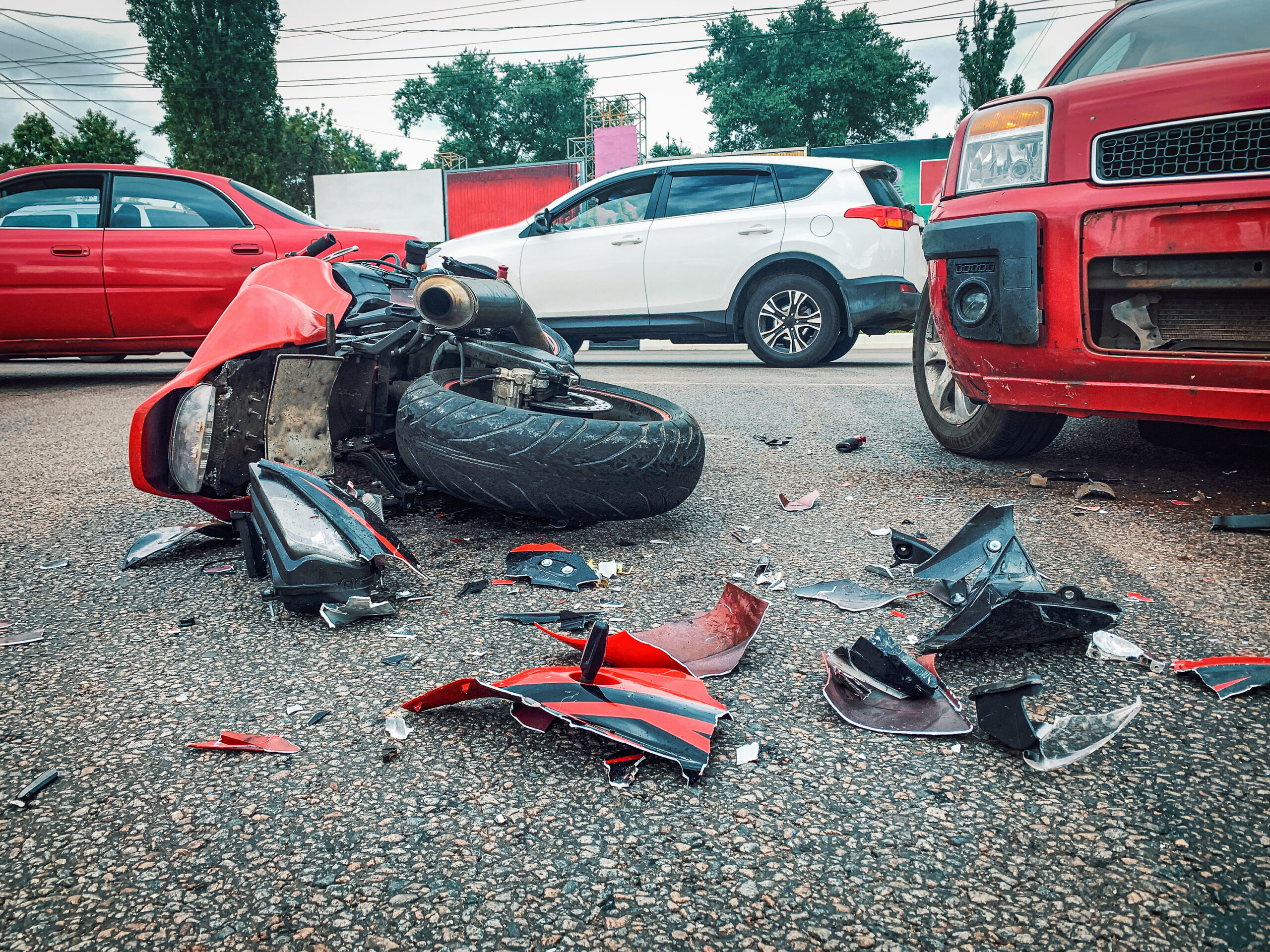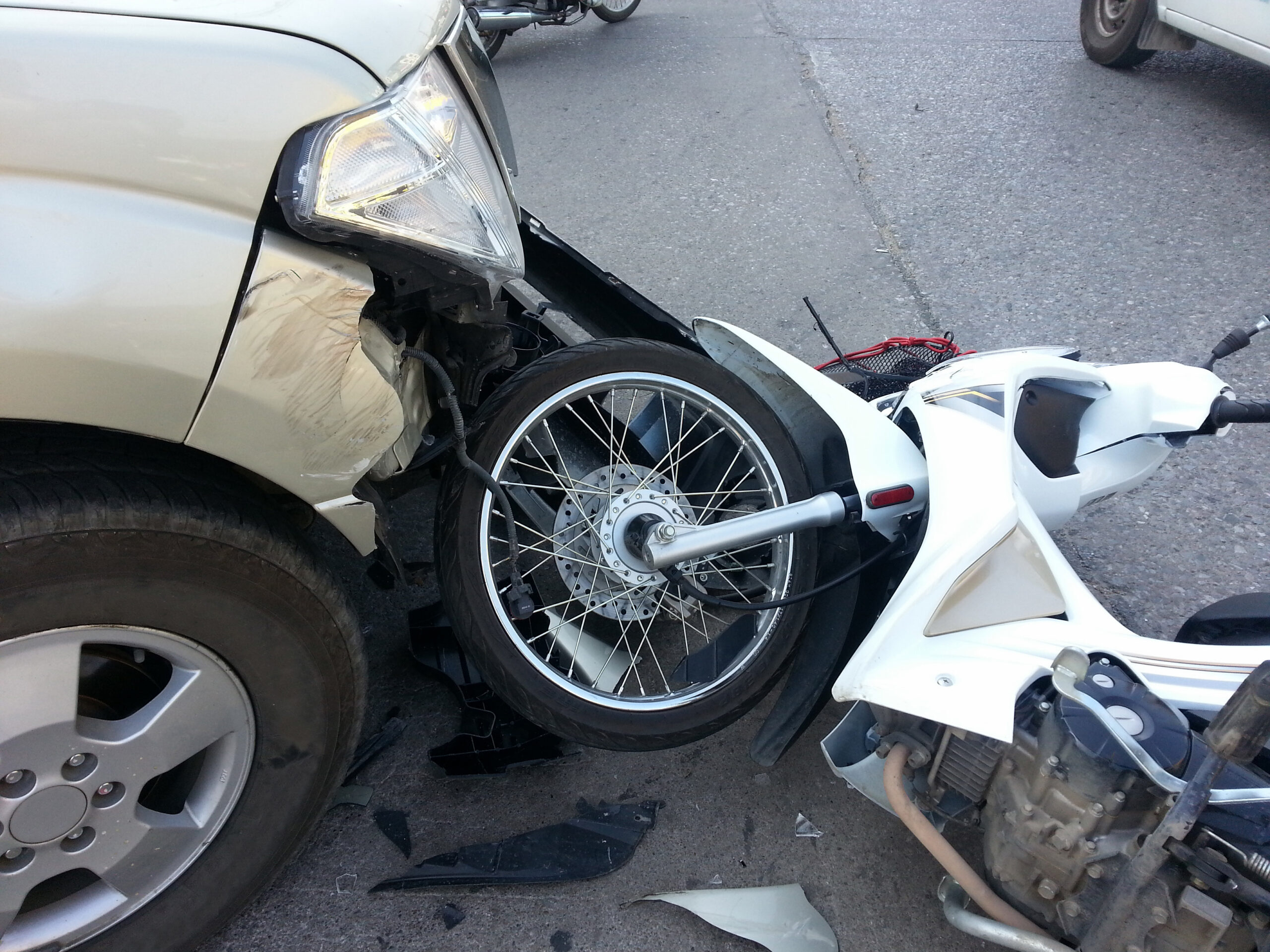


A James City County motorcycle crash claimed the life of a 76-year-old man on Wednesday…
Norfolk Woman Killed in Three-Vehicle Crash Police Say Involved Racing on I-264 [Virginia Beach, VA]
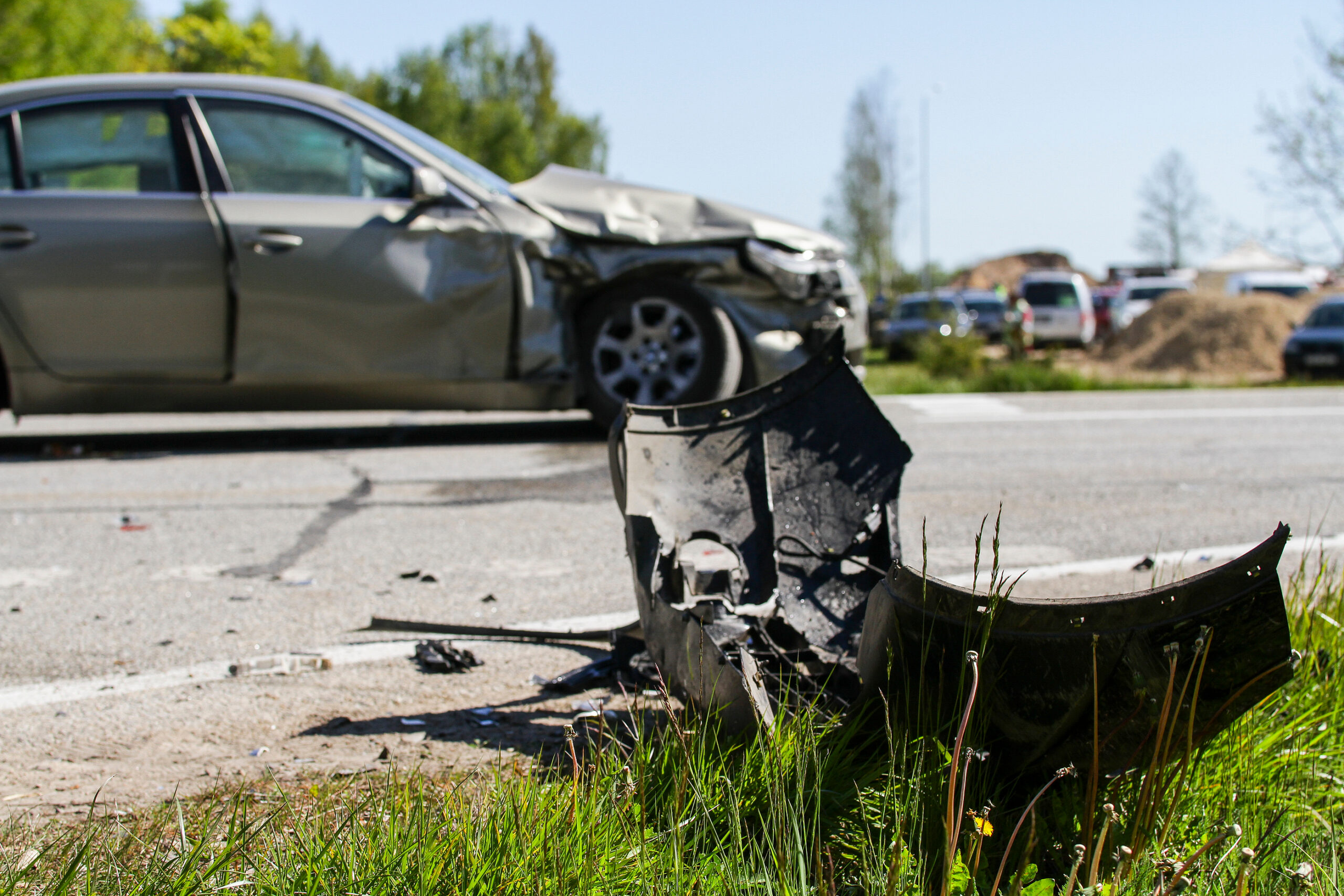
A Virginia Beach street racing crash claimed the life of a 23-year-old Norfolk woman late Friday night, October 30, 2026. According to Virginia State Police, the three-vehicle collision occurred on westbound Interstate 264 near the Independence Boulevard exit shortly before 11 p.m.
Troopers reported that a Dodge Charger was traveling at a high rate of speed and allegedly racing other vehicles when it struck an Infiniti sedan. The collision set off additional impacts involving an SUV, while the Charger overturned multiple times.
Ommie Milagros Figueroa Rodriguez, 23, of Norfolk, was a passenger in the Charger and died from her injuries. The Charger driver was seriously injured and transported to a hospital.
The collision remains under investigation, and authorities have not announced whether criminal charges will be filed.
What Happened on I-264 Near Independence Boulevard?
Virginia State Police reported that the collision occurred shortly before 11 p.m. on October 30 along westbound I-264 near Exit 17A for Independence Boulevard.
According to the preliminary investigation, a Dodge Charger was traveling at a high rate of speed and was allegedly racing other vehicles.
The Charger struck an Infiniti sedan, causing the Infiniti to spin.
An SUV subsequently struck the Infiniti.
After the initial collision, the Charger lost control and overturned several times.
Figueroa Rodriguez, who was riding as a passenger in the Charger, sustained fatal injuries.
The Charger driver suffered serious injuries and was transported to a hospital.
Authorities have not released confirmed injury information about the occupants of the Infiniti or SUV in the initial report.
The investigation remains ongoing, and no criminal charges were announced in the available reporting.
What Police Reported About the Virginia Beach Street Racing Crash
Virginia State Police identified excessive speed and suspected racing as factors in their preliminary account of the collision.
However, an allegation that a driver was racing is not the same as a criminal conviction.
Investigators must establish what happened, whether other vehicles participated in a race, and whether any traffic or criminal violations occurred.
The available reporting does not identify the drivers of the other vehicles allegedly involved in racing or establish their actions.
It also does not indicate that Figueroa Rodriguez participated in racing or encouraged the Charger driver to race.
Her presence as a passenger does not establish that she was responsible for the driver’s conduct.
These distinctions are important when evaluating potential criminal charges and civil claims arising from the collision.
Why High-Speed Collisions Can Be Especially Dangerous
Traveling at excessive speeds can reduce the time available for motorists to recognize hazards and respond.
Higher speeds also increase stopping distances and the forces involved when vehicles collide.
On interstate highways, vehicles may be merging, changing lanes, or preparing to exit while other traffic continues at highway speeds.
A vehicle approaching much faster than surrounding traffic can create additional hazards for motorists attempting to judge distance and closing speed.
Rollovers may also expose occupants to multiple impacts as a vehicle overturns.
In the October 30 collision, police reported that the Charger was traveling at a high rate of speed before striking the Infiniti and overturning several times.
The crash resulted in one reported death and serious injuries to the Charger driver.
Our Virginia Beach injury information explains more about injuries that may result from serious motor vehicle collisions.
Virginia Laws Prohibiting Racing and Reckless Driving
Virginia law prohibits racing on public highways and establishes criminal penalties for certain dangerous driving conduct.
Under Virginia Code § 46.2-865, participating in a race between motor vehicles on a highway may constitute reckless driving.
Virginia Code § 46.2-865.1 establishes additional criminal penalties when unlawful racing results in serious bodily injury or death and the applicable statutory elements are proven.
A racing-related death can support a felony prosecution under the statute when the required circumstances, including the specified degree of culpability, are established.
However, a fatality does not automatically establish that every element of a racing-related felony has been satisfied.
Virginia also prohibits reckless driving under Virginia Code § 46.2-852 when a person drives in a manner that endangers life, limb, or property.
Under Virginia Code § 46.2-862, driving 20 miles per hour or more above the posted speed limit, or exceeding 85 miles per hour regardless of the posted limit, constitutes reckless driving by speed.
In the October 30 crash, police reported high speed and suspected racing, but the available source does not identify the Charger’s exact speed or announce criminal charges.
Can a Passenger’s Family Bring a Claim After a Racing Crash?
A passenger injured or killed in a motor vehicle collision may have different legal considerations from those of the person operating the vehicle.
Passengers generally do not control a driver’s speed, steering, or other driving decisions.
However, determining whether a passenger or the passenger’s family has a valid claim depends on the facts and applicable Virginia law.
A passenger’s presence in a vehicle involved in suspected racing does not automatically establish that the passenger participated in the activity.
When another person’s negligence causes a death, Virginia law may permit a wrongful death action under Virginia Code § 8.01-50.
Such an action is generally brought by the deceased person’s personal representative for the benefit of eligible statutory beneficiaries.
Whether a wrongful death claim exists depends on establishing the necessary legal elements, including wrongful conduct and causation.
In this case, Figueroa Rodriguez was a passenger in the Charger.
The available reporting does not establish that she participated in racing or describe any conduct by her that contributed to the collision.
Our wrongful death practice area provides additional information about Virginia wrongful death claims.
Could Other Drivers Be Responsible for the Collision?
A crash involving suspected street racing may raise questions about the actions of multiple motorists.
Depending on the evidence, a driver who participated in racing or otherwise acted negligently may face potential civil responsibility if that conduct legally caused injuries or death.
However, participation in the same traffic incident does not automatically establish liability.
Investigators must evaluate each driver’s conduct and the connection between that conduct and the collision.
Evidence may include witness accounts, vehicle damage, available recordings, and other investigative findings.
In the October 30 Virginia Beach street racing crash, police reported that the Charger was allegedly racing other vehicles.
The initial reporting does not establish which other drivers, if any, participated or whether their conduct contributed to the collision.
No final determination of civil liability has been reported.
Our auto accident practice area provides additional information about motor vehicle accident claims.
How Virginia’s Contributory Negligence Rule May Affect a Claim
Virginia follows a contributory negligence rule that can significantly affect personal injury and wrongful death claims.
Under this rule, an injured person’s own negligence may bar recovery if that negligence contributed to causing the injury or death, subject to applicable exceptions.
However, negligence must be supported by evidence.
Simply being a passenger in a vehicle whose driver was allegedly racing does not establish contributory negligence.
The circumstances must be examined to determine whether the passenger engaged in any legally relevant negligent conduct and whether that conduct contributed to the resulting harm.
The available reporting does not establish that Figueroa Rodriguez participated in racing or otherwise contributed to the collision.
Our article about Virginia’s contributory negligence rule provides additional information about this legal standard.
How Police Investigate Suspected Street Racing Collisions
Investigations into suspected racing collisions may involve several types of evidence.
Virginia State Police may examine vehicle damage, roadway evidence, witness statements, and the positions of the vehicles after the crash.
When available, dashboard camera recordings, traffic footage, and vehicle data may also help investigators understand the events preceding a collision.
Investigators may examine whether multiple drivers were participating in a race and how their actions affected surrounding traffic.
However, the collection or existence of any particular recording or vehicle data cannot be assumed.
In this case, troopers reported a preliminary sequence involving the Charger, Infiniti, and SUV.
The investigation remains ongoing, and authorities have not announced final findings or charges in the initial report.
What Compensation May Be Available After a Serious Crash?
When legally actionable negligence causes injuries or death, compensation may be available for qualifying losses.
For injured motorists, recoverable damages may include medical expenses, rehabilitation costs, lost income, property damage, and pain and suffering.
In a qualifying wrongful death action, Virginia law permits recovery of certain damages under Virginia Code § 8.01-52.
Depending on the circumstances and supporting evidence, those damages may include sorrow and mental anguish, loss of companionship and guidance, certain financial losses, medical expenses, and reasonable funeral expenses.
The availability and amount of damages depend on the facts, applicable law, and evidence.
A fatal collision does not automatically establish another party’s civil liability.
The October 30 crash remains under investigation, and no civil liability findings have been reported.
What Families Can Do After a Fatal Motor Vehicle Collision
The sudden loss of a loved one can leave families facing difficult questions about the accident and its consequences.
Several steps may help preserve information and clarify potential legal options.
Request available accident information. Contact the investigating law enforcement agency about procedures for obtaining the crash report.
Preserve relevant records. Keep medical bills, funeral expenses, insurance correspondence, and other documents related to the collision.
Identify available evidence. Witness contact information, photographs, and recordings may help establish how the accident occurred.
Review applicable insurance policies. Coverage may depend on the circumstances, policy terms, and legal responsibility.
Understand the role of a personal representative. Virginia wrongful death actions generally must be brought by the deceased person’s personal representative.
Seek appropriate support. Family members may benefit from grief counseling and other available support services following a sudden loss.
Virginia Deadlines for Personal Injury and Wrongful Death Lawsuits
Virginia law establishes deadlines for filing personal injury and wrongful death lawsuits.
Under Virginia Code § 8.01-243(A), most personal injury lawsuits must be filed within two years after the cause of action accrues, subject to applicable exceptions.
Under Virginia Code § 8.01-244(B), wrongful death lawsuits generally must be filed within two years after the person’s death, subject to exceptions.
These deadlines are separate from insurance policy notice requirements and other legal procedures.
Families considering a potential claim should understand the applicable deadlines and the evidence necessary to evaluate responsibility.
Frequently Asked Questions
Is Street Racing a Felony in Virginia?
Street racing on a highway is prohibited under Virginia Code § 46.2-865. Certain racing-related collisions causing serious bodily injury or death may result in felony charges under § 46.2-865.1 when the required statutory elements are established. A felony conviction is not automatic merely because a crash caused a death.
Can a Passenger’s Family Bring a Wrongful Death Claim After a Racing Crash?
Possibly. Virginia law permits wrongful death actions when the required elements are satisfied. A passenger’s presence in a vehicle involved in suspected racing does not automatically establish contributory negligence or eliminate the possibility of a claim.
Can Other Drivers Involved in Racing Be Held Responsible?
Potentially. Civil responsibility depends on the evidence establishing each driver’s conduct and whether that conduct legally caused the injuries or death. Merely being present near the collision does not establish liability.
Who Investigates Crashes on I-264 in Virginia Beach?
Virginia State Police generally investigate collisions on interstate highways such as I-264. The October 30 collision remains under investigation according to the initial reporting.
How Long Do Families Have to File a Wrongful Death Lawsuit in Virginia?
Under Virginia Code § 8.01-244(B), wrongful death lawsuits generally must be filed within two years after the date of death, subject to applicable exceptions.
Speak With a Virginia Beach Car Accident Attorney
Fatal motor vehicle collisions can leave families with difficult questions about the investigation, insurance coverage, and potential legal responsibility.
When police suspect street racing, evaluating the conduct of the drivers involved and preserving relevant evidence may be particularly important.
If you or a loved one was injured or killed in a motor vehicle accident in Virginia Beach, Norfolk, Chesapeake, or elsewhere in Hampton Roads, The Stellute Law Firm can help you understand your rights and available legal options.
Our Virginia Beach personal injury lawyers can review the circumstances of a potential claim.
Contact The Stellute Law Firm to request a consultation.
Source: WAVY
Map of westbound Interstate 264 near the Independence Boulevard exit in Virginia Beach, Virginia, where a three-vehicle collision on October 30, 2026, killed a 23-year-old Norfolk woman.

Related Posts