

A Norfolk I-64 crash temporarily closed all eastbound lanes near Northampton Boulevard early Friday morning,…
95-Year-Old Passenger Killed, Woman Injured After Minivan Overturns on I-264 [Portsmouth, VA]
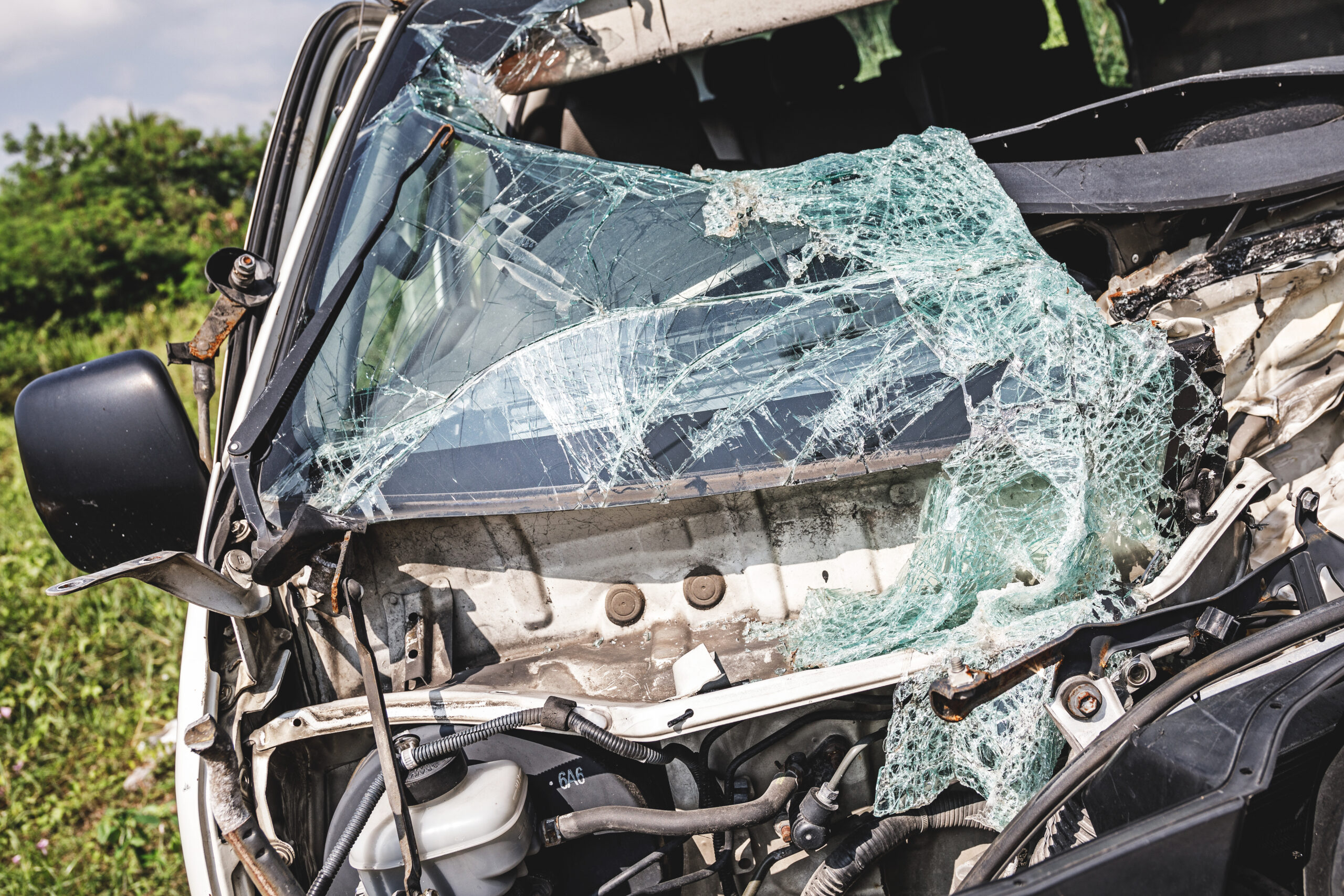
A 95-year-old woman died and another passenger was injured after a minivan overturned on Interstate 264 in Portsmouth, Virginia, on Saturday afternoon, October 17, 2026.
According to Virginia State Police, the minivan left the westbound lanes near the Victory Boulevard exit ramp, struck a light pole, and overturned.
The Portsmouth fatal car accident claimed the life of Yvonne Cowart, 95, of North Chesterfield. Another woman was hospitalized with injuries described as non-life-threatening.
Authorities are continuing to investigate what caused the vehicle to leave the roadway.
What Happened on I-264 Near Victory Boulevard?
Virginia State Police responded to the single-vehicle collision at approximately 2:34 p.m. on October 17.
According to the preliminary investigation, a white minivan traveled off westbound I-264 near the Victory Boulevard exit ramp, struck a light pole, and overturned.
Three people were inside the vehicle.
The driver did not report any injuries at the scene.
One female passenger suffered injuries that were not considered life-threatening and was transported to an area hospital.
A second passenger, identified as 95-year-old Yvonne Cowart of North Chesterfield, was taken to the hospital with life-threatening injuries.
Hospital personnel confirmed at approximately 3:30 p.m. that Cowart had died from her injuries. Authorities notified her next of kin.
All westbound lanes of I-264 near Victory Boulevard were closed for several hours following the crash.
Traffic resumed after the lanes reopened at approximately 6:51 p.m.
Virginia State Police have not announced what caused the minivan to leave the roadway, and the investigation remains ongoing.
Our thoughts are with Ms. Cowart’s loved ones and the injured passenger.
Why Run-Off-Road and Rollover Collisions Can Be Dangerous
Interstate 264 is a major route connecting Portsmouth and Norfolk through the Downtown Tunnel.
When a vehicle leaves an interstate, roadside objects such as light poles, guardrails, and other fixed structures can create additional hazards.
Striking a fixed object may cause a sudden change in the vehicle’s motion, potentially resulting in serious injuries.
Rollover collisions can also expose occupants to forces from multiple directions as a vehicle rotates or overturns.
The severity of injuries depends on several factors, including the speed of the vehicle, the nature of the impact, and the circumstances of the rollover.
Although Virginia State Police confirmed that the minivan struck a light pole before overturning, the available reporting does not establish why the vehicle initially left the roadway.
Investigators must examine the circumstances before determining whether driver conduct, roadway conditions, a vehicle problem, or another factor contributed to the collision.
Older Passengers and the Risk of Serious Crash Injuries
Older adults may face an increased risk of serious injury following a motor vehicle collision.
Age-related changes in bone strength, physical resilience, and underlying health can affect how a person responds to traumatic injuries.
However, age alone does not determine the outcome of a crash.
In the October 17 collision, authorities confirmed that Ms. Cowart suffered fatal injuries, but they have not publicly identified the specific injuries she sustained.
Her age should not be treated as an explanation for the collision or as proof of what caused her death.
The investigation into the crash remains separate from the medical determination of her injuries.
Virginia Wrongful Death Law After a Fatal Car Accident
When a person dies in a motor vehicle collision, surviving family members may have questions about whether they can pursue a wrongful death claim.
Under Virginia Code § 8.01-50, a wrongful death action may be available when a person’s death results from another party’s wrongful act, neglect, or default under circumstances that would have supported a personal injury claim if the person had survived.
A fatal accident does not automatically establish that someone was negligent.
To pursue a successful claim, the evidence must support the required elements of liability, including a legally actionable act or omission that caused the death.
Who Can Bring a Wrongful Death Claim?
In Virginia, a wrongful death lawsuit is generally brought by the deceased person’s personal representative on behalf of the beneficiaries designated by law.
The personal representative is responsible for bringing the action, while the applicable statutes determine which beneficiaries may receive compensation.
This distinction can be important when families begin evaluating their legal options after a fatal collision.
Our wrongful death practice area provides additional information about these claims.
What Damages May Be Available?
Virginia Code § 8.01-52 identifies categories of damages that may be recoverable in a qualifying wrongful death action.
Depending on the circumstances, these may include:
- Sorrow, mental anguish, and loss of companionship
- Loss of the deceased person’s services, protection, care, and assistance
- Lost income and financial support, when applicable
- Medical expenses related to the fatal injury
- Reasonable funeral and burial expenses
The damages available in any particular case depend on the evidence and applicable Virginia law.
Can Passengers Pursue Claims After a Single-Vehicle Crash?
A single-vehicle collision can still give rise to a personal injury or wrongful death claim.
Passengers generally do not control how a vehicle is operated.
If evidence establishes that a driver’s negligence caused a passenger’s injuries or death, the injured passenger or the appropriate personal representative may have a claim.
Potential compensation may be available through applicable automobile liability insurance, although coverage depends on the policy and circumstances.
The fact that only one vehicle was involved does not automatically establish negligence.
It also does not rule out the possibility that another party or factor contributed to the crash.
In the Portsmouth collision, the available reporting does not establish what caused the minivan to leave I-264.
Any determination of legal responsibility would require further investigation.
Insurance Coverage After a Fatal Single-Vehicle Accident
Insurance coverage can become an important issue when passengers are injured or killed in a crash.
If a driver’s negligence caused the collision, the driver’s applicable automobile liability insurance may provide compensation for covered claims.
However, coverage depends on the terms of the policy, the identities of the insured parties, and the circumstances of the accident.
In some situations, uninsured or underinsured motorist coverage may also be relevant.
Virginia Code § 38.2-2206 governs uninsured and underinsured motorist coverage for policies subject to its provisions.
Determining which policies may apply can require reviewing the vehicle’s insurance, other potentially available coverage, and the facts established by the investigation.
Virginia’s Contributory Negligence Rule
Virginia follows a contributory negligence rule that can affect personal injury claims.
Under this rule, an injured person’s own negligence may bar recovery if that negligence contributed to causing the collision or resulting injuries, subject to applicable exceptions.
However, simply being a passenger in a vehicle involved in a collision does not establish contributory negligence.
Passengers generally have no control over the driver’s operation of the vehicle.
Any allegation that an injured person contributed to an accident must be supported by evidence and applicable law.
Our article on Virginia’s contributory negligence rule explains this legal standard in greater detail.
How Fatal Interstate Crashes Are Investigated
Fatal motor vehicle collisions often require investigators to examine multiple sources of evidence before determining what happened.
Depending on the circumstances, investigators may review:
- Vehicle damage and the condition of the roadway
- The location where a vehicle left its travel lane
- Damage to roadside objects or barriers
- Tire marks and other physical evidence
- Witness statements
- Available traffic camera or surveillance recordings
- Vehicle data that may help reconstruct the collision
Some vehicles contain event data recorders that can preserve information about certain vehicle operations before or during a crash.
Whether such information is available or useful depends on the vehicle and the circumstances.
The available reporting does not establish which specific investigative methods Virginia State Police have used in the October 17 collision.
Authorities have not publicly announced a cause.
What Families Can Do After a Fatal Car Accident
Losing a loved one in a sudden collision can leave families facing practical and legal questions while also dealing with grief.
Several steps may help preserve information that could become important later.
1. Obtain Information About the Investigation
Families may contact the investigating law enforcement agency to ask about the status of the investigation and the process for requesting an available crash report.
In this case, Virginia State Police are investigating the collision.
2. Preserve Medical and Financial Records
Hospital bills, funeral expenses, insurance correspondence, and other relevant documents may help establish losses associated with the collision.
Keeping these records organized can make them easier to review later.
3. Identify Potential Insurance Coverage
Families may need to determine which automobile insurance policies apply and whether additional coverage is available.
Coverage questions can be complicated when a passenger is injured or killed in a single-vehicle collision.
4. Understand the Personal Representative’s Role
Virginia wrongful death actions are generally brought by the deceased person’s personal representative.
Families may need to address the appointment or authority of a personal representative before a lawsuit can proceed.
5. Be Mindful of Filing Deadlines
Legal deadlines can apply even when the accident investigation remains open.
Obtaining information early can help families understand the time available to pursue potential claims.
Virginia Filing Deadlines for Injury and Wrongful Death Claims
Under Virginia Code § 8.01-244(B), a wrongful death action generally must be filed within two years after the date of death, subject to applicable exceptions.
For personal injury lawsuits, Virginia Code § 8.01-243(A) generally establishes a two-year filing period, also subject to exceptions.
Insurance notice requirements may apply sooner.
The appropriate filing deadline depends on the type of claim and the specific circumstances.
Frequently Asked Questions
Who investigates fatal crashes on I-264 in Portsmouth?
Virginia State Police generally investigate collisions on interstate highways such as I-264. Families seeking information about a particular collision can contact the investigating agency to ask about available reports and the status of the investigation.
Can a family file a wrongful death claim after a single-vehicle accident?
Potentially. A single-vehicle collision may support a wrongful death claim if evidence establishes that another party’s legally actionable conduct caused the death. The fact that only one vehicle was involved does not automatically establish or eliminate liability.
How long do families have to file a wrongful death claim in Virginia?
Under Virginia Code § 8.01-244(B), wrongful death actions generally must be filed within two years after the date of death, subject to applicable exceptions. Because the action is brought by a personal representative, families may need time to address that requirement.
Can an injured passenger file a claim against the driver of the vehicle?
Yes, potentially. When a driver’s negligence causes a passenger’s injuries, the passenger may have a personal injury claim against that driver. Whether compensation is available depends on the evidence, applicable law, and relevant insurance coverage.
What damages may be available in a Virginia wrongful death case?
Virginia Code § 8.01-52 permits certain damages in qualifying wrongful death cases, including sorrow, mental anguish, loss of companionship, lost services and financial support, qualifying medical expenses, and reasonable funeral expenses. The damages available depend on the circumstances and supporting evidence.
Speak With a Portsmouth Wrongful Death Attorney
A fatal motor vehicle collision can leave families facing unanswered questions about what happened, whether negligence played a role, and what legal options may be available.
When a loved one dies in a crash, understanding Virginia’s wrongful death laws and the role of the ongoing investigation can help families make informed decisions.
If your family lost a loved one or someone was injured in a car accident in Portsmouth, Norfolk, Hampton, or elsewhere in Hampton Roads, The Stellute Law Firm can help you understand your rights under Virginia law.
Contact The Stellute Law Firm to request a consultation about your circumstances.
Source: WAVY
Map of westbound Interstate 264 near the Victory Boulevard exit ramp in Portsmouth, Virginia, where a 95-year-old passenger died after a minivan struck a light pole and overturned on October 17, 2026.

Related Posts