

A Norfolk I-64 crash temporarily closed all eastbound lanes near Northampton Boulevard early Friday morning,…
Three Seriously Injured in Head-On Hit-and-Run on Shore Drive [Norfolk, VA]
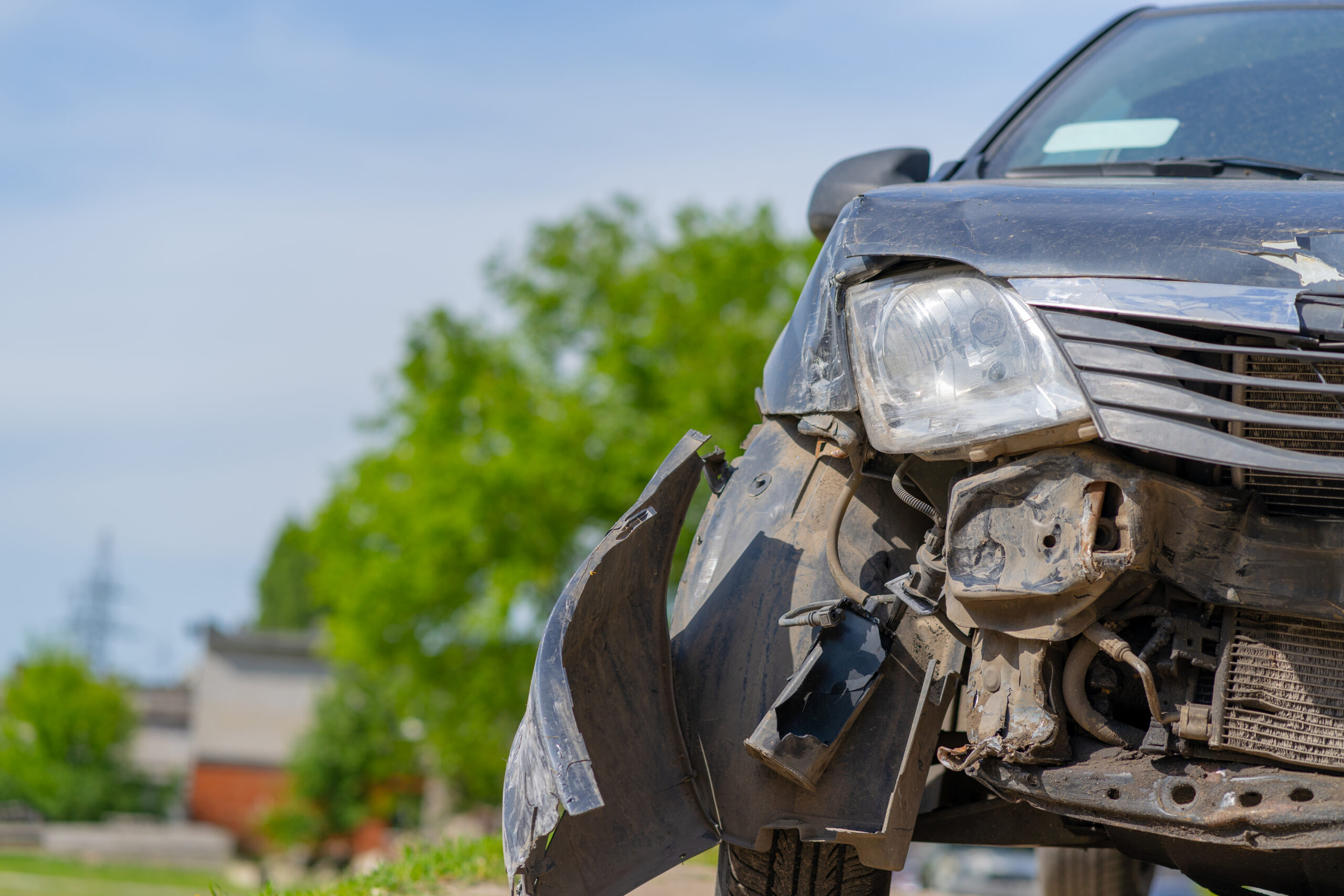
Three people suffered serious injuries in a head-on collision on Shore Drive in Norfolk, Virginia, on Sunday evening, October 18, 2026. According to police, a Mazda sedan crossed the center median and struck a Hyundai sedan traveling in the opposite direction.
The Mazda driver reportedly fled the scene on foot, leaving three injured people behind. The occupants of the Hyundai and a passenger in the Mazda were transported to an area hospital with serious but non-life-threatening injuries.
The Norfolk hit-and-run accident remains under investigation, and authorities have not announced whether the fleeing driver has been identified or charged.
What Happened on Shore Drive?
According to Norfolk police, the collision occurred at approximately 7:45 p.m. in the 7600 block of Shore Drive.
Investigators reported that a Mazda sedan crossed the center median and collided head-on with a Hyundai sedan.
The driver of the Mazda then reportedly left the scene on foot.
Three people were injured:
- The driver of the Hyundai
- A passenger in the Hyundai
- A passenger in the Mazda
All three sustained serious injuries that authorities described as non-life-threatening. They were transported to an area hospital for treatment.
Police have not publicly released the identities of those involved or announced any charges related to the collision.
The investigation remains ongoing.
Why Head-On Collisions Can Cause Serious Injuries
Head-on collisions can be particularly dangerous because the vehicles are traveling toward one another when they make contact.
Depending on their speeds, vehicle designs, and other circumstances, these crashes can produce substantial forces that place occupants at risk of serious injuries.
The front ends of both vehicles may absorb much of the impact, but the sudden change in motion can still cause significant harm to drivers and passengers.
Potential injuries may include head trauma, fractures, neck and back injuries, and internal injuries.
However, the severity and type of injuries vary from one collision to another.
In the October 18 Shore Drive crash, authorities confirmed that three people suffered serious injuries, but they have not released specific medical diagnoses.
The circumstances that caused the Mazda to cross the median have also not been publicly established.
Virginia Law Requires Drivers to Stop After an Accident
Virginia law places specific responsibilities on drivers involved in collisions that result in injuries, deaths, or property damage.
Under Virginia Code § 46.2-894, drivers involved in qualifying crashes must immediately stop as close to the scene as possible without obstructing traffic unnecessarily.
The law also requires drivers to provide identifying information and render reasonable assistance to injured individuals.
Criminal Penalties for Leaving the Scene
When a collision results in injury or death, a driver who violates the statute may face a Class 5 felony charge, provided the legal requirements for the offense are established.
Other violations may carry different penalties depending on the circumstances.
In the Shore Drive collision, Norfolk police reported that the Mazda driver left the scene on foot.
However, authorities have not publicly announced charges against the driver.
Whether criminal charges are filed or result in a conviction is a separate question from whether an injured person may pursue compensation through a civil claim.
Crossing a Median and Virginia Traffic Laws
Drivers are required to operate their vehicles with reasonable care and follow applicable traffic laws.
Virginia Code § 46.2-804 establishes rules governing the use of traffic lanes, including remaining within a single lane as nearly as practicable.
Additionally, Virginia Code § 46.2-852 addresses reckless driving that endangers life, limb, or property.
Depending on the circumstances, crossing into opposing traffic may raise questions about whether a driver complied with applicable roadway requirements.
However, a vehicle crossing a median does not automatically establish the precise cause of a collision or prove every element of a particular traffic offense.
Investigators must examine the evidence before determining what happened.
Who Pays for Injuries When a Driver Flees the Scene?
Hit-and-run collisions can create additional insurance challenges, particularly when the driver who left the scene has not been identified.
Even when a vehicle remains at the crash location, determining the driver’s identity and available insurance coverage may require further investigation.
Identifying the Vehicle Owner and Insurance Coverage
In this incident, police reported that the Mazda driver fled on foot.
Because the Mazda was involved in the collision, its registration and other identifying information may assist investigators.
However, identifying the registered owner does not necessarily establish who was driving.
Likewise, an owner’s automobile insurance policy does not automatically provide coverage for every person who operates the vehicle.
Coverage may depend on the driver’s relationship to the owner, whether the vehicle was used with permission, and the terms of the applicable policy.
Uninsured and Underinsured Motorist Coverage
When the responsible driver cannot be identified or does not have sufficient insurance, uninsured or underinsured motorist coverage may provide another potential source of compensation.
Virginia Code § 38.2-2206 governs uninsured and underinsured motorist coverage for policies subject to its provisions.
Whether this coverage applies depends on the circumstances and relevant insurance policies.
Our information on hit-and-run accidents and what to do after a hit-and-run in Virginia explains additional considerations for injured motorists.
Can a Passenger in the Fleeing Driver’s Vehicle File an Injury Claim?
Passengers may have legal options even when they were riding in the vehicle operated by the driver who allegedly caused the collision.
A passenger generally does not control how the driver operates the vehicle.
If the driver’s negligence caused the passenger’s injuries, the passenger may be able to pursue compensation through applicable insurance coverage or other available legal remedies.
The fact that the driver fled the scene does not automatically eliminate the passenger’s potential claim.
However, the driver’s identity, available insurance, and circumstances of the collision may affect how the claim proceeds.
In the October 18 crash, police confirmed that a passenger in the Mazda was among the three seriously injured individuals.
No information has been released establishing that the passenger contributed to the collision.
How Police Investigate Hit-and-Run Collisions
When a driver leaves the scene of a serious collision, identifying that individual may become an important part of the investigation.
Depending on the circumstances, investigators may examine:
- Vehicle registration and ownership records
- Statements from injured occupants and witnesses
- Nearby surveillance or traffic camera recordings
- Physical evidence recovered from the vehicles
- Available photographs and video footage
- Other information that may help identify the driver
A vehicle left at the scene may provide useful investigative leads, but it does not guarantee that the driver will be identified immediately.
The available reporting does not specify which investigative methods Norfolk police have used in the Shore Drive case.
Authorities have not announced whether the Mazda driver has been located.
Virginia’s Contributory Negligence Rule
Virginia follows a contributory negligence rule that can affect personal injury claims.
Under this rule, an injured person’s own negligence may bar recovery if that negligence contributed to causing the collision or resulting injuries, subject to applicable exceptions.
This makes the evidence concerning each person’s actions important when determining civil liability.
However, simply being involved in a collision does not establish contributory negligence.
In the Shore Drive crash, authorities reported that the Mazda crossed the center median and struck the Hyundai.
The available information does not indicate that the injured occupants contributed to the collision.
Determining responsibility requires evaluating the facts rather than assuming fault based solely on the vehicles involved.
What Compensation May Be Available After a Hit-and-Run?
When another driver’s negligence causes injuries, an injured person may be able to pursue compensation for legally recoverable losses.
Depending on the circumstances, these may include:
- Emergency medical treatment and hospitalization
- Follow-up appointments and rehabilitation
- Lost wages from missed work
- Reduced earning capacity when supported by evidence
- Property damage
- Physical pain and suffering
- Other qualifying accident-related losses
The availability and amount of compensation depend on the evidence, the nature of the injuries, and applicable Virginia law.
In cases involving an unidentified driver, the available insurance coverage may also significantly affect the claims process.
What to Do After a Hit-and-Run Accident
A hit-and-run collision can leave injured motorists uncertain about how to protect their rights when the other driver is no longer at the scene.
Several steps may help preserve important information.
1. Call 911 and Request Medical Assistance
Report the collision and explain that a driver left the scene.
Obtain appropriate medical attention for injuries and follow recommended treatment.
2. Record Information About the Driver and Vehicle
If possible, document the vehicle’s make, model, color, license plate, and any identifying features.
If you observed the driver leaving, provide an accurate description to law enforcement.
Do not attempt to chase or confront a fleeing driver.
3. Identify Witnesses
Nearby drivers, pedestrians, or other witnesses may have observed the collision or the driver’s departure.
Preserve their contact information when possible.
4. Preserve Photographs and Available Video
Photographs of the vehicles, roadway, and surrounding area may help establish how the collision occurred.
Nearby businesses or residences may also have recordings relevant to the investigation.
5. Notify Your Insurance Company
Report the collision as required by your insurance policy.
Uninsured motorist coverage and other policy provisions may involve specific notice and cooperation requirements.
6. Keep Medical and Financial Records
Save medical bills, treatment records, repair estimates, insurance correspondence, and documentation of missed work.
These materials may become important if a civil injury claim is pursued.
Filing Deadlines for Virginia Hit-and-Run Claims
Under Virginia Code § 8.01-243(A), most personal injury lawsuits in Virginia must be filed within two years after the cause of action accrues, subject to applicable exceptions.
The fact that a driver has not been identified does not automatically suspend the filing deadline.
Claims involving an unknown defendant may also require additional legal procedures.
Insurance policies may impose separate reporting and cooperation requirements that apply sooner.
Preserving evidence and understanding the applicable deadlines can be especially important after a hit-and-run collision.
Frequently Asked Questions
Is leaving the scene of an injury accident a felony in Virginia?
It can be. Under Virginia Code § 46.2-894, a driver who violates the statutory duties following a collision involving injury or death may face a Class 5 felony charge. Whether a particular driver can be convicted depends on the facts and the legal elements of the offense.
Who pays for my injuries if the other driver runs away?
Potential sources of compensation may include an applicable automobile liability policy or uninsured motorist coverage. Identifying the vehicle owner does not automatically establish insurance coverage. The available options depend on the facts and relevant policies.
Can a passenger in the fleeing driver’s vehicle file a claim?
Yes, potentially. A passenger injured because of a driver’s negligence may have a personal injury claim even when the passenger was riding in that driver’s vehicle. The driver’s departure from the scene does not automatically eliminate the passenger’s legal options.
What happens if police identify the fleeing driver later?
The driver may face criminal proceedings if authorities determine that charges are appropriate. Injured individuals may also pursue civil claims when the evidence supports liability. Criminal proceedings and civil injury claims are separate matters and may proceed on different timelines.
How long do I have to file a hit-and-run lawsuit in Virginia?
Most personal injury lawsuits in Virginia must be filed within two years under Virginia Code § 8.01-243(A), subject to applicable exceptions. Reporting the collision to law enforcement and the relevant insurance companies should generally occur much sooner.
Speak With a Norfolk Hit-and-Run Accident Attorney
A serious hit-and-run collision can leave injured individuals facing medical expenses, insurance uncertainty, and questions about how to pursue compensation when the other driver has fled.
Understanding Virginia’s hit-and-run laws, insurance requirements, and personal injury procedures can help injured motorists evaluate their options.
If you or a loved one was injured in a hit-and-run accident in Norfolk, Hampton, or elsewhere in Hampton Roads, The Stellute Law Firm can help you understand your rights under Virginia law.
Contact The Stellute Law Firm to request a consultation about your circumstances.
Source: WAVY
Map of the 7600 block of Shore Drive in Norfolk, Virginia, where three people suffered serious injuries in a head-on collision involving a driver who reportedly fled the scene on October 18, 2026.

Related Posts