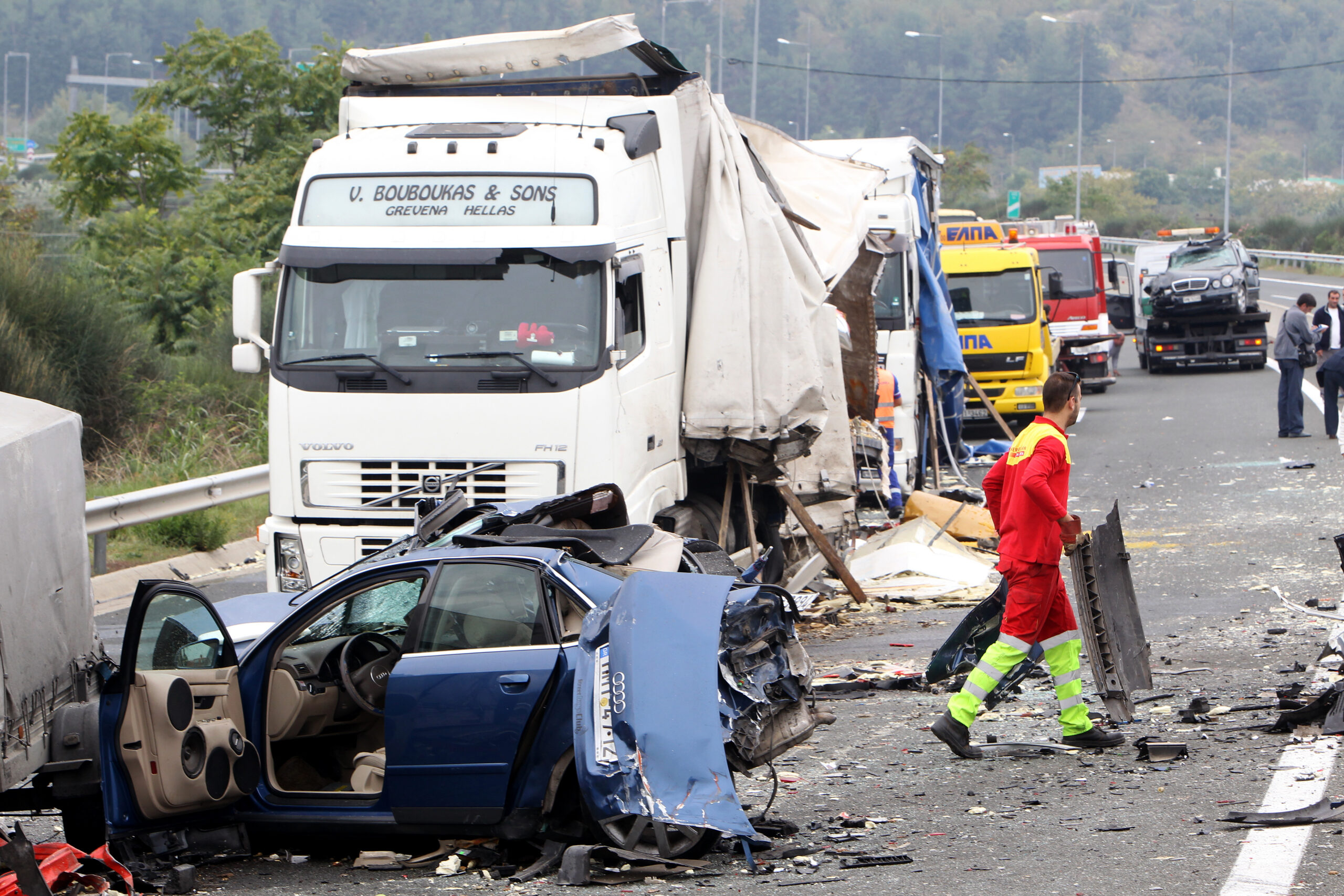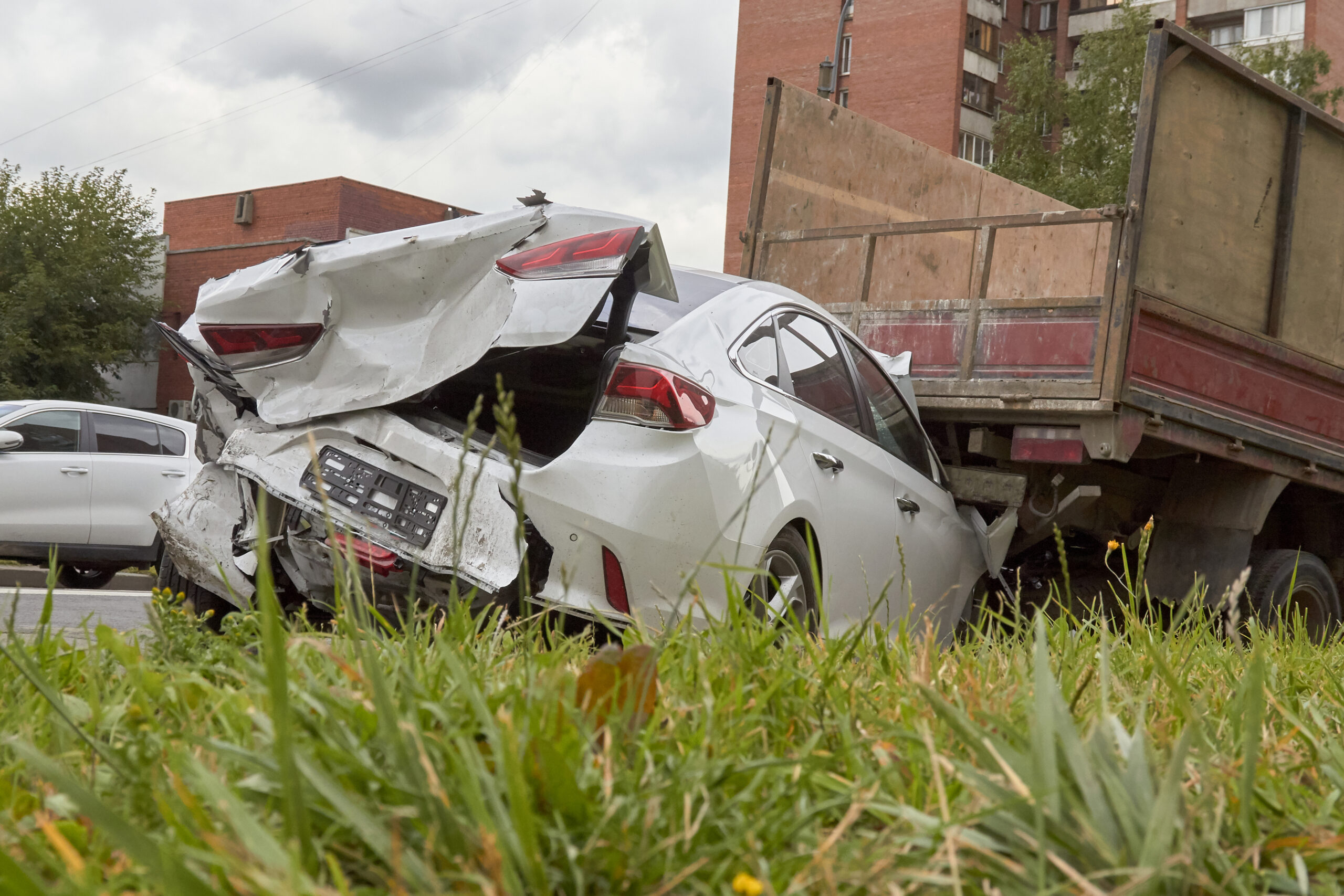


A Norfolk I-64 crash temporarily closed all eastbound lanes near Northampton Boulevard early Friday morning,…
5 Types of Evidence You Should Collect After an Accident

After an accident in Hampton Roads, Virginia, the decisions you make in the hours and days that follow can determine the outcome of your personal injury claim. Evidence disappears faster than most people expect. Skid marks fade, surveillance footage is overwritten, and witness memories grow unreliable. Insurance companies carefully examine the available evidence when evaluating claims. Acting quickly can help preserve the information needed to support your case.
Photographs and Video Evidence
Photographs and videos are often some of the strongest forms of evidence in a car accident claim. Photos of vehicle damage, road conditions, traffic signals, and visible injuries taken at the scene document facts that cannot easily be disputed. Video footage from dashcams, nearby businesses, or traffic cameras adds another dimension of proof that can show exactly how an accident occurred and who was responsible.
Prompt action helps preserve important information before it disappears. Vehicles are repaired, accident scenes are cleared, and surveillance footage may only be retained for a limited time. The sooner this evidence is preserved, the stronger your position becomes.
Witness Statements and Contact Information
Independent witnesses carry significant weight in personal injury cases. A statement from someone with no stake in the outcome of your claim can corroborate your account of events and counter conflicting versions offered by the other party.
At the scene, gather the full names, phone numbers, and addresses of anyone who observed the accident. If witnesses provide a brief account of what they saw, document it as accurately as possible. Over time, memories fade and details shift. A recorded or written statement made soon after the accident is more likely to capture accurate details before memories begin to fade.
Police Reports and Why They Matter
A formal police report is one of the most important pieces of accident evidence you can obtain. Officers document the parties involved, note observable damage, record statements, and may identify contributing factors such as traffic violations or road hazards. That official record can become an important reference if questions later arise about how the accident occurred.
Even when injuries appear minor, filing a police report is essential. Personal injury claims often grow more complex as the full extent of injuries becomes clear, and having an official report in place from the outset protects the integrity of your claim. Request a copy of the report as soon as it becomes available and review it carefully for accuracy.
Medical Records and Treatment Documentation
Medical records are the foundation of any personal injury claim. Emergency room reports, diagnostic imaging, physician notes, and ongoing treatment records all serve to establish what injuries you sustained, how severe those injuries are, and what care has been required as a result of the accident.
Seeking treatment immediately after an accident is not only important for your health; it is important for your case. Gaps in medical care give insurance companies room to argue that your injuries were not serious or were caused by something unrelated to the accident. Thorough, consistent documentation removes that argument from the table.
Physical Evidence at the Accident Scene
Physical evidence, including damaged property, defective vehicle components, or hazardous conditions at the scene, can be central to establishing liability. A worn tire, a broken guardrail, or a product defect may reveal that the accident was caused by negligence that extends beyond the immediate collision.
Preserving physical evidence requires keeping damaged items in their original condition until they can be properly evaluated. Items should be secured, documented, and not repaired or discarded before an attorney has the opportunity to evaluate them. Physical evidence that is lost or destroyed before it can be examined may be unrecoverable, which is why preserving accident evidence as early as possible is so important.
Take Action Now to Protect Your Rights
Evidence does not remain available forever. As time passes, documents can be misplaced, physical evidence can change, and witness memories can become less reliable. Taking prompt action helps protect the strength of your personal injury claim.
Insurance companies deploy experienced adjusters quickly, and their goal is to limit what they pay. Working with an experienced personal injury attorney from the beginning can help ensure that critical evidence is identified, preserved, and used to support your claim.
Contact The Stellute Law Firm today at (757) 722-2815 to schedule your free consultation with an experienced personal injury attorney and discuss your legal options.

Related Posts