

Hampton parking lot accidents can become a concern during the busy holiday shopping season as…
Virginia’s Move Over Law: What Hampton Roads Drivers Need to Know [Hampton, VA]
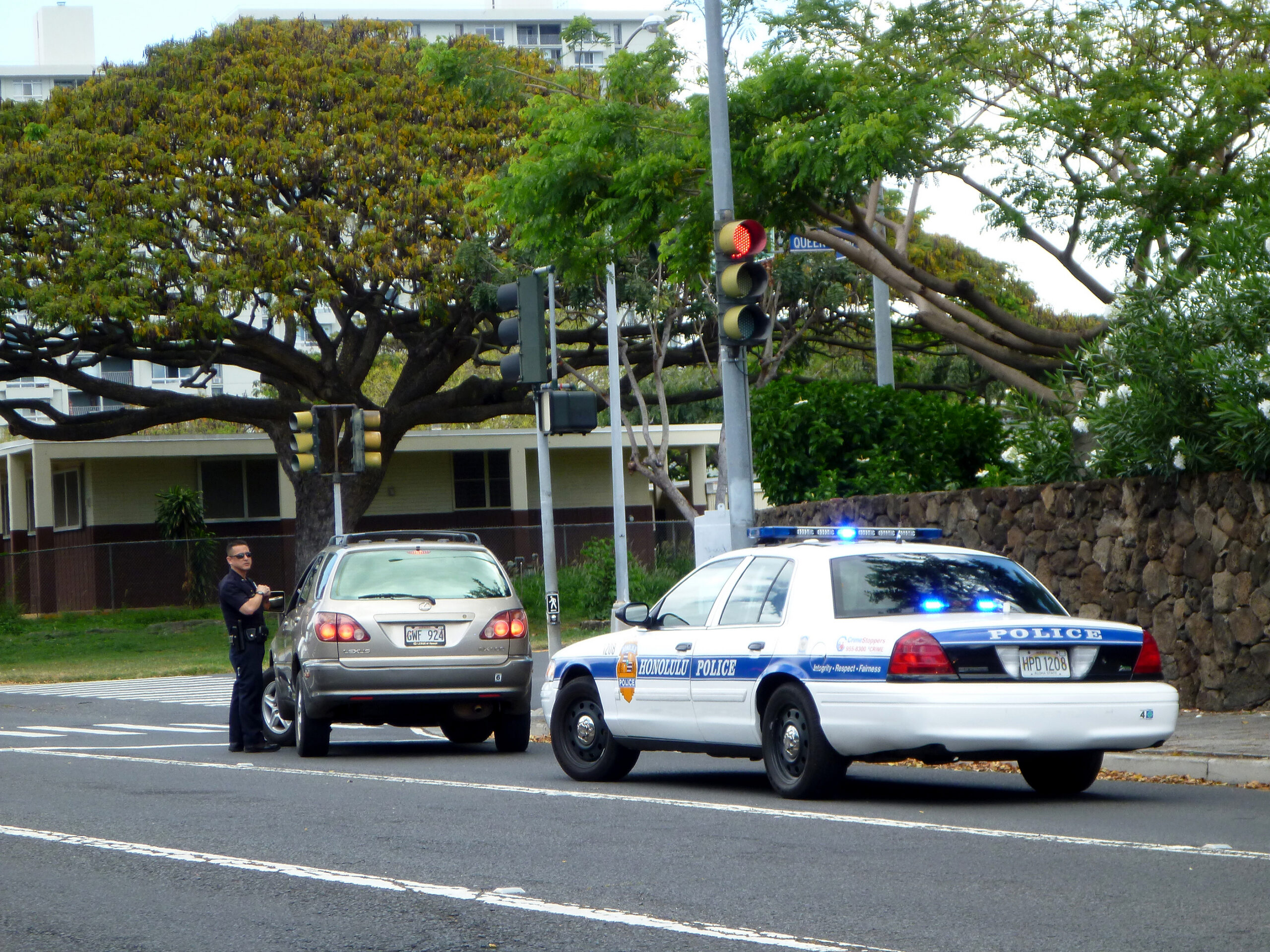
The Virginia move over law protects people working or waiting beside stopped vehicles on highways throughout Hampton Roads. Police officers, firefighters, tow truck operators, and stranded motorists can face serious danger when passing vehicles travel too close to the shoulder.
Whether you are driving on Interstate 64 in Hampton or Interstate 664 near Newport News, understanding when to change lanes or slow down can help prevent a roadside collision.
What Does the Virginia Move Over Law Require?
Under Virginia Code § 46.2-861.1, drivers approaching certain stationary vehicles displaying qualifying warning signals must take precautions.
On highways with at least four lanes, including at least two lanes traveling in the same direction, motorists must change to a lane not adjacent to the stopped vehicle when doing so is reasonable and safe.
When changing lanes would be unsafe, drivers must proceed with due caution and maintain a safe speed for highway conditions.
The statute distinguishes between certain emergency and service vehicles and other stationary vehicles displaying warning devices. That distinction affects the penalties for violations.
Which Stopped Vehicles Are Protected?
The law covers qualifying stationary emergency and service vehicles displaying flashing, blinking, or alternating blue, red, or amber lights.
These may include police vehicles, ambulances, fire apparatus, and certain tow or service vehicles.
The statute also addresses other stopped vehicles displaying hazard warning lights, caution signs, or qualifying warning devices such as lit flares.
This means the law can protect ordinary motorists whose vehicles have broken down along the highway.
However, the specific statutory requirements and penalties depend on the category of vehicle and warning signals involved.
Drivers should remain cautious around any stopped vehicle, even when the circumstances do not fall within the move-over statute.
Penalties for Violating Virginia’s Move Over Law
The consequences of a violation depend on which statutory provision applies.
Failing to comply with the move-over requirements for qualifying emergency or service vehicles displaying the specified warning lights is treated as reckless driving under Virginia law.
Reckless driving is generally a Class 1 misdemeanor, which can carry criminal penalties.
Violations involving other qualifying stationary vehicles displaying hazard lights or warning devices are generally treated as traffic infractions.
Virginia law also provides for potential driver’s license suspension when a violation results in property damage, injury, or death. The applicable suspension provisions depend on the circumstances and statutory requirements.
A traffic charge or conviction does not automatically resolve whether a driver is civilly responsible for a resulting collision.
Does the Move Over Law Apply in Work Zones?
Virginia Code § 46.2-861.1 contains an exception for designated highway work zones.
However, that exception does not eliminate a driver’s responsibility to follow applicable traffic laws or exercise reasonable care around road crews.
Separate laws govern work zone speed limits, traffic control devices, and unsafe driving.
Under Virginia Code § 46.2-878.1, speeding in qualifying highway work zones may result in additional penalties.
Drivers should follow posted signs, reduce speed when required, and watch for workers or equipment near active travel lanes.
Why Roadside Collisions Can Cause Serious Injuries
People standing beside a disabled vehicle have little protection from passing traffic.
A vehicle drifting onto the shoulder may strike a stranded motorist, emergency responder, or tow truck operator. A stopped vehicle may also be struck from behind while someone remains inside.
These collisions can result in traumatic brain injuries, fractures, spinal injuries, and other serious harm.
The circumstances of a roadside crash may involve driver distraction, excessive speed, impairment, poor visibility, or failure to maintain control.
However, none of these factors should be assumed without supporting evidence.
Can a Move Over Law Violation Support an Injury Claim?
A violation of the Virginia move over law may be relevant when determining responsibility for a roadside collision.
For example, if a driver fails to take the precautions required by the statute and strikes a person standing beside a qualifying stopped vehicle, that violation may support a negligence claim.
However, a statutory violation does not automatically establish civil liability.
A claim generally requires evidence that the defendant breached an applicable legal duty and that the breach caused the injuries or damages.
The circumstances of the collision, including roadway conditions, vehicle positions, and the actions of those involved, may affect the outcome.
Our auto accident practice area explains more about pursuing compensation after a motor vehicle collision.
How Contributory Negligence May Affect Roadside Claims
Virginia follows a contributory negligence rule that can significantly affect personal injury claims.
Under this rule, an injured person’s own negligence may bar recovery if that negligence contributed to causing the injury, subject to applicable exceptions.
In a roadside collision, questions may arise about whether a disabled vehicle was positioned safely or whether appropriate warning signals were used.
However, the fact that a vehicle was stopped on the shoulder does not automatically establish negligence by its occupants.
The available evidence must support any allegation that the injured person’s conduct contributed to the collision.
Our article about Virginia’s contributory negligence rule discusses how this doctrine affects accident claims.
Insurance Coverage After a Roadside Collision
When another driver negligently causes a roadside collision, that driver’s liability insurance may provide compensation for qualifying injuries and property damage, subject to policy limits and other requirements.
If the responsible driver is uninsured or does not have sufficient coverage, uninsured or underinsured motorist coverage may be relevant.
Under Virginia Code § 38.2-2206, applicable coverage may extend to certain people injured outside a vehicle, depending on their insured status and the policy’s terms.
Roadside workers injured while performing their jobs may also have workers’ compensation options.
Different insurance policies and legal remedies may apply to the same collision.
What to Do if Your Vehicle Breaks Down on the Highway
If your vehicle becomes disabled on a highway, move as far from active traffic as reasonably possible.
When appropriate, activate your hazard warning lights so approaching drivers can recognize the stopped vehicle.
If remaining inside is safer than exiting, stay buckled in while waiting for assistance.
If you must leave the vehicle, use the side away from traffic when possible and move to a safer location.
Avoid standing between your vehicle and moving traffic.
Call 911 when emergency assistance is needed. Otherwise, contact an appropriate roadside assistance provider.
Warning triangles or other safety devices should only be placed when doing so is safe.
How Drivers Can Prevent Move Over Collisions
The most important precaution is recognizing stopped vehicles early enough to respond safely.
Watch ahead for emergency lights, hazard flashers, and other warning devices.
When approaching a qualifying stopped vehicle, check surrounding traffic and move into a nonadjacent lane when the statute requires it and the maneuver is reasonable and safe.
If changing lanes would be unsafe, proceed cautiously at a safe speed for the conditions.
Avoid sudden lane changes that could create another collision.
These precautions are especially important on heavily traveled highways such as I-64 and I-664, where traffic may leave little room for error.
Frequently Asked Questions
Does Virginia’s Move Over Law Apply to Cars With Hazard Lights On?
Yes. Virginia Code § 46.2-861.1 includes certain stationary vehicles displaying hazard warning lights. Drivers must follow the applicable move-over or caution requirements when the statutory conditions are met.
What Is the Penalty for Not Moving Over for Police in Virginia?
Failing to comply with the move-over requirements for a qualifying stopped police vehicle displaying the required warning lights is treated as reckless driving. Additional consequences may apply depending on the circumstances.
What if I Cannot Safely Change Lanes?
The statute recognizes that a lane change may not always be reasonable or safe. When changing lanes is unsafe, drivers must proceed with due caution and maintain a safe speed for highway conditions.
Does Virginia’s Move Over Law Apply in Work Zones?
The statute contains an exception for designated highway work zones. However, separate traffic safety laws and work zone requirements still apply.
Can I File a Claim if I Was Hit While Stopped on the Shoulder?
Possibly. If another driver’s negligence caused the collision and resulting injuries, an injured person may have a legal claim. Liability depends on the evidence, applicable law, and circumstances of the accident.
Speak With a Hampton Roads Car Accident Attorney
A roadside collision can leave injured motorists, emergency responders, and their families facing medical expenses, lost income, and difficult questions about responsibility.
Determining whether a driver violated Virginia’s move-over requirements may be an important part of investigating the accident.
If you were injured in a roadside collision in Hampton, Newport News, York County, or elsewhere in Hampton Roads, The Stellute Law Firm can help you understand your legal options.
Our Hampton personal injury lawyers can review the circumstances of a potential claim.
Contact The Stellute Law Firm to request a consultation.
Map of Interstate 64 in Hampton, Virginia, where motorists must follow applicable move-over requirements when approaching qualifying stopped vehicles displaying warning signals.

Related Posts