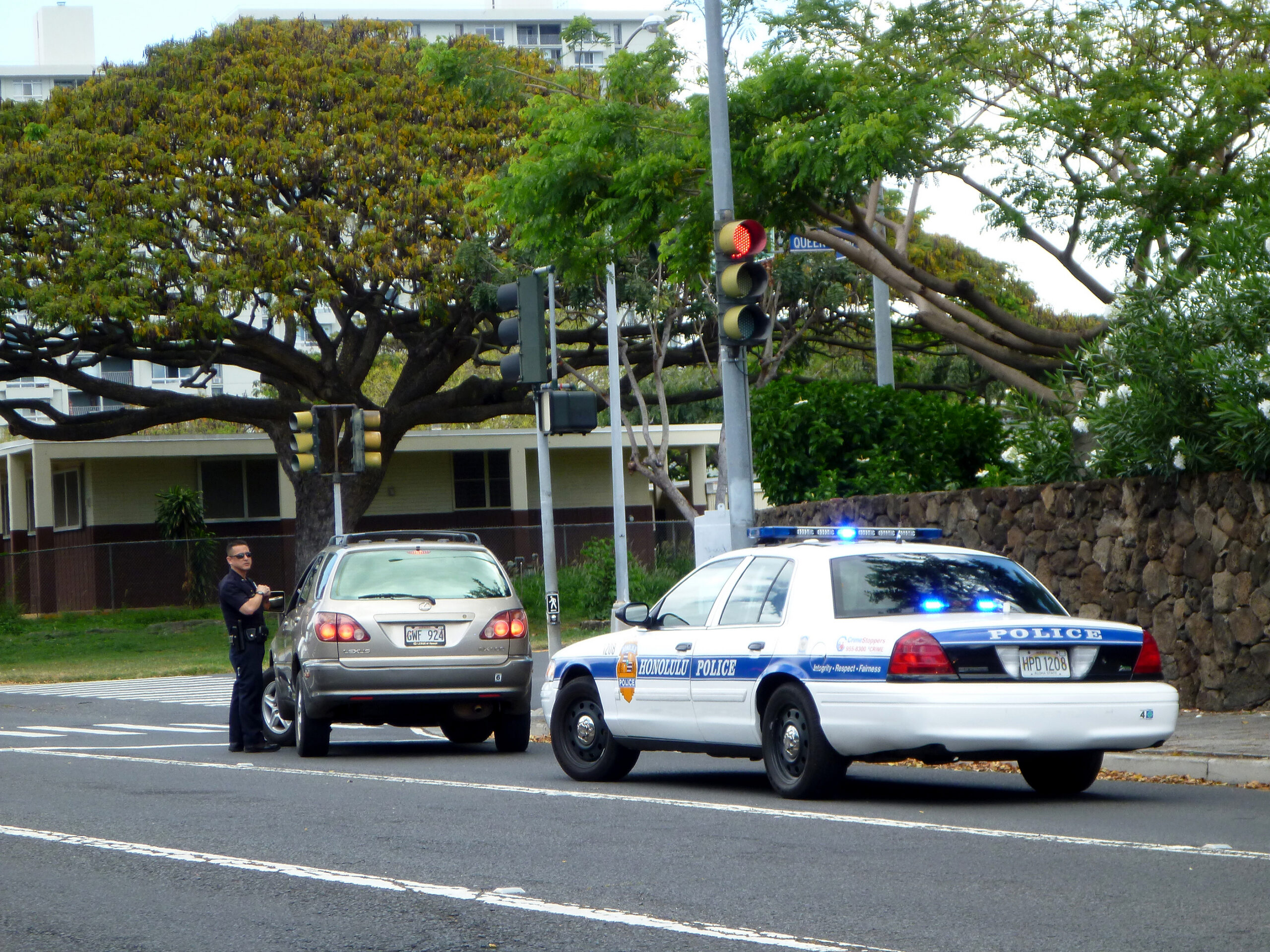


The Virginia move over law protects people working or waiting beside stopped vehicles on highways…
What Service Members and Military Families Should Know After a Car Accident [Hampton, VA]

Service members and military families stationed near Joint Base Langley-Eustis travel the roads of Hampton and Newport News every day. When a collision occurs, injured individuals may face questions about medical treatment, insurance coverage, and their ability to recover compensation.
A Hampton military car accident can also involve legal considerations that do not arise in every civilian injury claim. Depending on the circumstances, federal protections for service members, TRICARE medical coverage, and special rules involving government vehicles may affect how a claim proceeds.
Understanding how these requirements interact with Virginia personal injury law can help military families make informed decisions after a crash.
How Virginia Law Applies to Military Car Accidents
Most collisions occurring on public roads in Hampton, Newport News, and surrounding communities are governed by Virginia negligence law, even when one or more drivers are active-duty service members.
Military status alone does not change the basic responsibility drivers have to operate their vehicles safely. However, it may affect insurance arrangements, filing deadlines, or other aspects of an injury claim.
Virginia’s Contributory Negligence Rule
Virginia follows a contributory negligence rule that can significantly affect an injured person’s ability to recover compensation.
If an injured person was negligent and that negligence contributed to causing the collision, the rule may bar recovery, subject to applicable legal exceptions.
Determining responsibility requires examining the circumstances of the crash, including driver conduct, witness statements, roadway conditions, and other available evidence.
Our article about Virginia’s contributory negligence rule explains how this standard may affect personal injury claims.
Insurance Coverage for Military Families
Service members stationed in Virginia may have vehicles registered or insured in another state. Depending on the policy and applicable law, this can raise questions about coverage requirements and available benefits after a collision.
When another driver causes a crash but has insufficient liability insurance, uninsured or underinsured motorist coverage may provide an additional source of compensation.
Virginia Code § 38.2-2206 governs uninsured and underinsured motorist coverage for policies subject to its requirements.
Because insurance rules can differ by state and policy, service members should review their coverage rather than assume that every policy operates identically.
How the Servicemembers Civil Relief Act May Affect Filing Deadlines
Most personal injury lawsuits in Virginia are subject to a two-year filing deadline under Virginia Code § 8.01-243(A).
However, qualifying military service can affect how certain legal deadlines are calculated.
The Servicemembers Civil Relief Act (SCRA), under 50 U.S.C. § 3936, generally excludes a service member’s period of military service when calculating certain time limits for bringing legal actions.
This protection can be particularly important when an injured service member remains on active duty after a collision.
For example, a service member who was injured while on active duty may have additional time to pursue certain claims because qualifying military service is not counted toward the applicable limitations period.
However, the SCRA does not mean that every legal or administrative deadline is automatically extended. Its application depends on the nature of the claim, the person’s qualifying military service, and any other applicable legal requirements.
Federal claims and certain administrative procedures may involve separate rules.
Even when tolling applies, preserving evidence and obtaining legal guidance early can help prevent problems as a claim develops.
How TRICARE and Military Medical Benefits Can Affect a Settlement
Service members and eligible family members may receive medical treatment through military treatment facilities or TRICARE after a car accident.
When another party is legally responsible for an injury, the federal government may have a right to recover certain medical expenses it provided or paid.
Under the Federal Medical Care Recovery Act, 42 U.S.C. § 2651, the United States may recover the reasonable value of covered medical care from a legally responsible third party under applicable circumstances.
This can become important when an injured person pursues an insurance settlement or personal injury lawsuit.
Why Medical Cost Recovery Matters
A personal injury settlement may need to account for applicable federal medical recovery claims.
For example, if TRICARE paid for treatment following a collision caused by another driver, the government may seek recovery of qualifying expenses from the responsible party or an applicable insurer.
Whether reimbursement is required, the amount involved, and how the claim is resolved depend on the applicable legal provisions and circumstances.
Military families should keep records of medical treatment and identify any potential government recovery interests before finalizing a settlement.
Addressing these issues early may help prevent unexpected disputes over settlement proceeds.
What Happens When a Government Vehicle Is Involved?
A collision involving a government-owned vehicle may raise legal questions that differ from those in an ordinary accident between privately owned vehicles.
If a federal employee causes a collision while acting within the scope of federal employment, a claim against the United States may fall under the Federal Tort Claims Act (FTCA).
However, government ownership of a vehicle does not automatically establish that the FTCA applies. The driver’s employment status, duties, and circumstances of the collision must be examined.
Federal Tort Claims Act Requirements
Under 28 U.S.C. § 2675, a person generally must present an administrative claim to the appropriate federal agency before filing an FTCA lawsuit.
28 U.S.C. § 2401(b) generally requires a federal tort claim to be presented in writing within two years after it accrues. Additional requirements apply after the agency issues a final denial.
These procedures differ from the ordinary process of filing a personal injury lawsuit against a private motorist.
Certain claims involving injuries sustained by active-duty service members incident to military service may also be restricted under the Feres doctrine.
Because these rules involve federal law and potential exceptions, the circumstances should be evaluated carefully before assuming that a particular claim is available.
How Car Accident Injuries Can Affect Military Service
For active-duty service members, the consequences of a car accident may extend beyond medical expenses and vehicle repairs.
An injury may interfere with physical training, required fitness assessments, duty assignments, or deployment preparation.
Depending on its severity, an injury could result in temporary duty limitations, additional medical evaluations, or changes to a service member’s responsibilities.
Military spouses and other family members may also experience lost income, missed work, or additional caregiving responsibilities following a collision.
When evaluating an injury claim, relevant documentation may include:
- Medical treatment records and follow-up appointments
- Duty limitation or medical restriction paperwork
- Documentation of missed civilian employment
- Records of accident-related expenses
- Information about changes to work or daily activities
Not every military-related career consequence is necessarily recoverable as damages. Whether a particular loss may be included in a claim depends on the evidence and applicable law.
What Service Members and Military Families Should Do After a Crash
Taking appropriate steps after a collision can help protect your health and preserve information relevant to a potential claim.
1. Report the Collision and Seek Medical Attention
Call 911 when someone is injured or the collision creates an immediate hazard.
Obtain appropriate medical care and follow any applicable military medical reporting procedures.
If you receive treatment through TRICARE or a military treatment facility, keep records of the care provided.
2. Follow Applicable Military Reporting Requirements
Active-duty service members should follow their unit’s requirements for reporting accidents, injuries, and changes in medical readiness.
Depending on the circumstances, this may involve notifying a supervisor, chain of command, or designated military medical personnel.
Reporting obligations can vary by service branch, installation, and duty status.
3. Document the Accident
When it is safe to do so, photograph the vehicles, roadway conditions, traffic signals, and visible damage.
Collect contact and insurance information from the drivers involved, along with witness information when available.
Keep the responding law enforcement agency’s name and any crash report number.
4. Preserve Medical and Employment Records
Save medical bills, treatment summaries, repair estimates, and other accident-related documents.
Service members should also retain relevant duty limitation paperwork and records showing how the injury affected their responsibilities.
Military spouses and civilian employees may want to document missed work or other financial losses.
5. Review Insurance and Potential Federal Recovery Issues
Notify your insurance company as required by your policy.
Be cautious about providing recorded statements to another driver’s insurer or signing broad medical authorizations before understanding your rights. Continue to comply with applicable obligations under your own policy.
If TRICARE or a military medical facility paid for treatment, determine whether a federal medical recovery claim may need to be addressed.
Our Hampton auto accident lawyers help injured individuals evaluate liability, insurance coverage, and other issues that may affect their claims.
Frequently Asked Questions
Does Virginia law apply if a service member from another state is injured in a crash in Hampton?
Generally, Virginia negligence law applies to collisions occurring on public roads in the state. However, insurance coverage may depend on the applicable policy and other legal considerations. Military status alone does not exempt a driver from Virginia traffic laws.
Does active-duty military service extend the deadline to file a car accident lawsuit?
It may. Under 50 U.S.C. § 3936, qualifying periods of military service generally are excluded when calculating certain legal filing deadlines. The rule does not necessarily extend every administrative or federal deadline, so the type of claim and applicable requirements must be considered.
Will TRICARE require reimbursement from a car accident settlement?
Possibly. Federal law may allow the government to recover certain medical expenses when another party is legally responsible for an injury. Whether a recovery claim applies and how it affects a settlement depend on the circumstances and applicable law.
What if a federal government vehicle caused the accident?
If the driver was a federal employee acting within the scope of employment, the claim may fall under the Federal Tort Claims Act. This law generally requires an administrative claim before a lawsuit can be filed and imposes specific filing requirements. Additional restrictions may apply to certain military service-related injuries.
Can military spouses and dependents pursue their own injury claims?
Yes. Military spouses and dependents injured because of another party’s negligence may have personal injury claims under applicable law. Their eligibility for military medical benefits does not automatically eliminate those claims, although federal medical recovery rights may need to be addressed.
Speak With a Hampton Car Accident Attorney
A car accident can create additional challenges for military families when service obligations, medical benefits, and federal legal requirements are involved.
If you or a family member was injured in a collision in Hampton, Newport News, or elsewhere on the Peninsula, The Stellute Law Firm can help you understand how Virginia personal injury law and potentially applicable federal rules may affect your options.
Contact The Stellute Law Firm to request a consultation about your circumstances.
Map of Hampton, Virginia, where service members and military families may face additional legal and insurance considerations following a car accident.

Related Posts