


Every criminal charge in Virginia carries real stakes. Whether you are facing misdemeanor charges or felony charges, the classification of the offense can determine everything from the penalties you face to the long-term impact on your future. In general, misdemeanors are less serious offenses that may be punishable by up to 12 months in jail, while felonies carry more severe penalties that can include years in state prison. Understanding the misdemeanor vs felony distinction is one of the first steps toward protecting your rights and making informed decisions about your defense.
Virginia law divides criminal offenses into two primary classifications: misdemeanors and felonies. The distinction is not simply about severity in the abstract. It is codified in statute and determines which court handles your case, what penalties apply, and how a conviction can affect your future for years to come.
Misdemeanors are divided into four classes in Virginia. A Class 1 misdemeanor, the most serious, carries a potential sentence of up to 12 months in jail and a fine of up to $2,500. Common examples include simple assault, first-offense DUI, petit larceny, and certain drug possession offenses. Many misdemeanor cases begin in Virginia General District Court.
Felonies carry far greater exposure. Virginia classifies felonies into six classes, with Class 1 being the most severe. A Class 6 felony, the lowest tier, can still result in one to five years in state prison. Class 1 felonies carry the most serious penalties available under Virginia law. Most felony prosecutions proceed through Virginia Circuit Court following the preliminary stages of the criminal process, where the procedures, evidentiary standards, and consequences are significantly more complex.
There is a common misconception that misdemeanor charges are minor legal matters that can be resolved quickly and forgotten. That assumption can be costly. A misdemeanor conviction in Virginia becomes part of your permanent criminal record. Employers conducting background checks, landlords screening applicants, and professional licensing boards reviewing credentials will all have access to that record.
Certain misdemeanor convictions may carry additional consequences, including restrictions on firearm ownership in some circumstances, mandatory license suspensions, and immigration consequences for non-citizens. A single conviction can close professional doors that would otherwise remain open.
Prosecutors are still required to prove every element of a misdemeanor offense beyond a reasonable doubt. That standard creates genuine opportunities for a skilled criminal defense attorney to challenge the evidence, question the lawfulness of a search or arrest, or negotiate for a reduced outcome. Early intervention matters.
The consequences of a felony conviction extend far beyond the possibility of a lengthy prison sentence. In Virginia, a felony conviction can affect your civil rights, career opportunities, and future long after your sentence has been completed.
A felony conviction in Virginia may result in the loss of important civil rights, including the right to vote, possess a firearm, and serve on a jury, unless those rights are later restored under Virginia law. Many professional licenses in healthcare, law, education, and financial services may become unavailable or subject to revocation following a felony conviction.
Federal housing assistance and student loan eligibility may also be affected. A felony conviction can remain part of your criminal record and continue to appear during background checks for years into the future.
The stakes grow even higher when mandatory minimum sentences apply or when a charge carries the possibility of life imprisonment. At that level, the quality and experience of your legal representation can determine the outcome of your case.
Effective criminal defense requires far more than appearing in court. It requires a thorough understanding of the law, careful scrutiny of the evidence, identification of potential constitutional violations, and a defense strategy tailored to the facts of each case.
We approach every case with the same standard of preparation, whether the charge is a misdemeanor or a felony. Our team reviews the arrest records, challenges unlawful searches and seizures, examines witness credibility, and evaluates every available option for our clients. That level of thorough, strategic advocacy can mean the difference between a conviction and a dismissal, or between a prison sentence and a negotiated resolution.
Virginia criminal charges move quickly through the court system. Waiting to seek counsel, even for a few days, can limit your options and compromise your defense.
The classification of a criminal charge in Virginia determines more than the sentence a judge can impose. It shapes your future opportunities, your civil rights, and your standing in the community. Whether you have been charged with a misdemeanor or a felony in Hampton, taking prompt action can make a meaningful difference in the outcome of your case.
Call The Stellute Law Firm at (757) 722-2815 to schedule your free consultation and begin building your defense with an experienced trial attorney.
What is the difference between a misdemeanor and a felony in Virginia?
In Virginia, a misdemeanor is generally punishable by up to 12 months in jail. Felony convictions are generally punishable by more than one year of incarceration, depending on the offense and applicable sentencing laws. Both classifications carry lasting consequences that can extend well beyond the sentence itself.
Can a misdemeanor charge affect my employment in Virginia?
Yes. A misdemeanor conviction becomes part of your permanent criminal record in Virginia. Employers, landlords, and licensing boards can access that record during background checks, and certain convictions may disqualify you from specific jobs or professional licenses.
Can felony charges be reduced to misdemeanor charges in Virginia?
In some cases, yes. Depending on the facts of the case, the strength of the evidence, and the specific charge involved, a criminal defense attorney may be able to negotiate a reduction in charges. This is highly case-specific and requires early, strategic legal intervention.
Do I need a lawyer for a misdemeanor charge in Virginia?
Yes. Even misdemeanor charges carry penalties that can affect your record, your career, and your rights. An experienced attorney can evaluate the evidence against you, identify potential defenses, and work to achieve the best possible outcome.

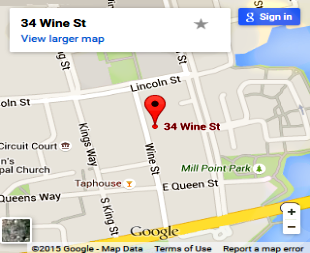
34 Wine Street, Hampton, Virginia 23669
Serving Hampton, Newport News, James City County, York County, Williamsburg and all of Hampton Roads, VA.