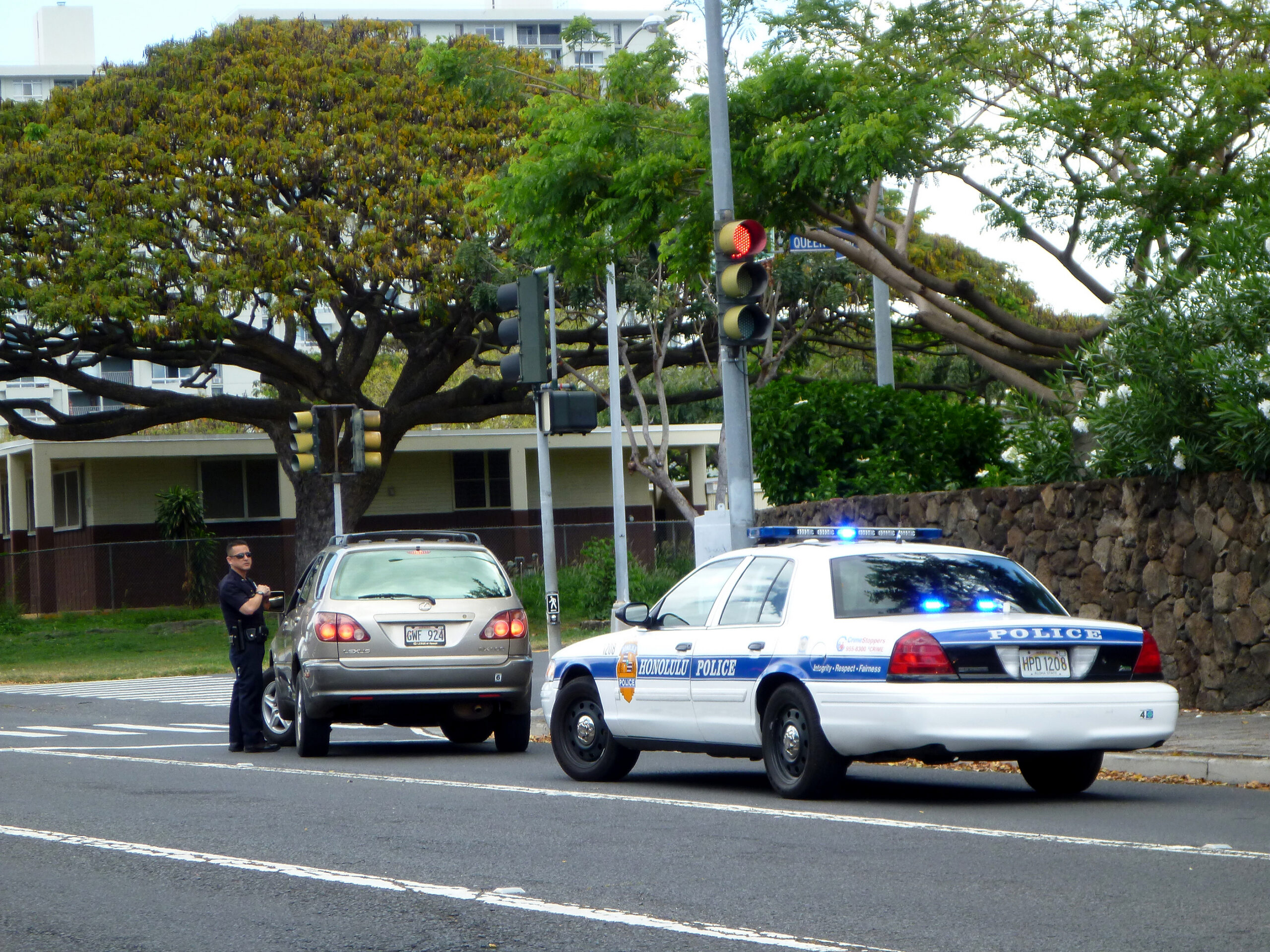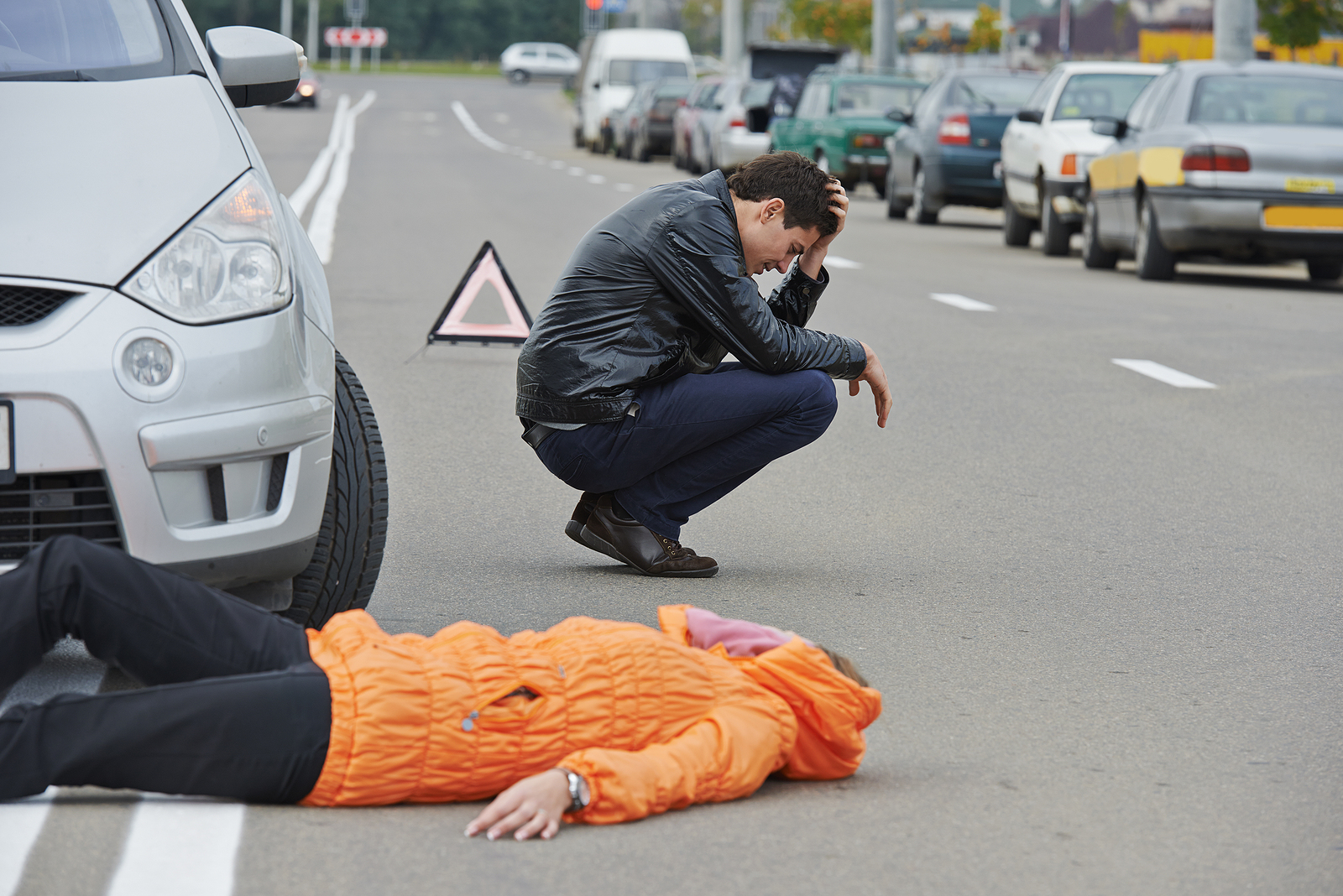


The Virginia move over law protects people working or waiting beside stopped vehicles on highways…
Man Hospitalized After Two-Vehicle Crash Closes I-664 [Chesapeake, VA]
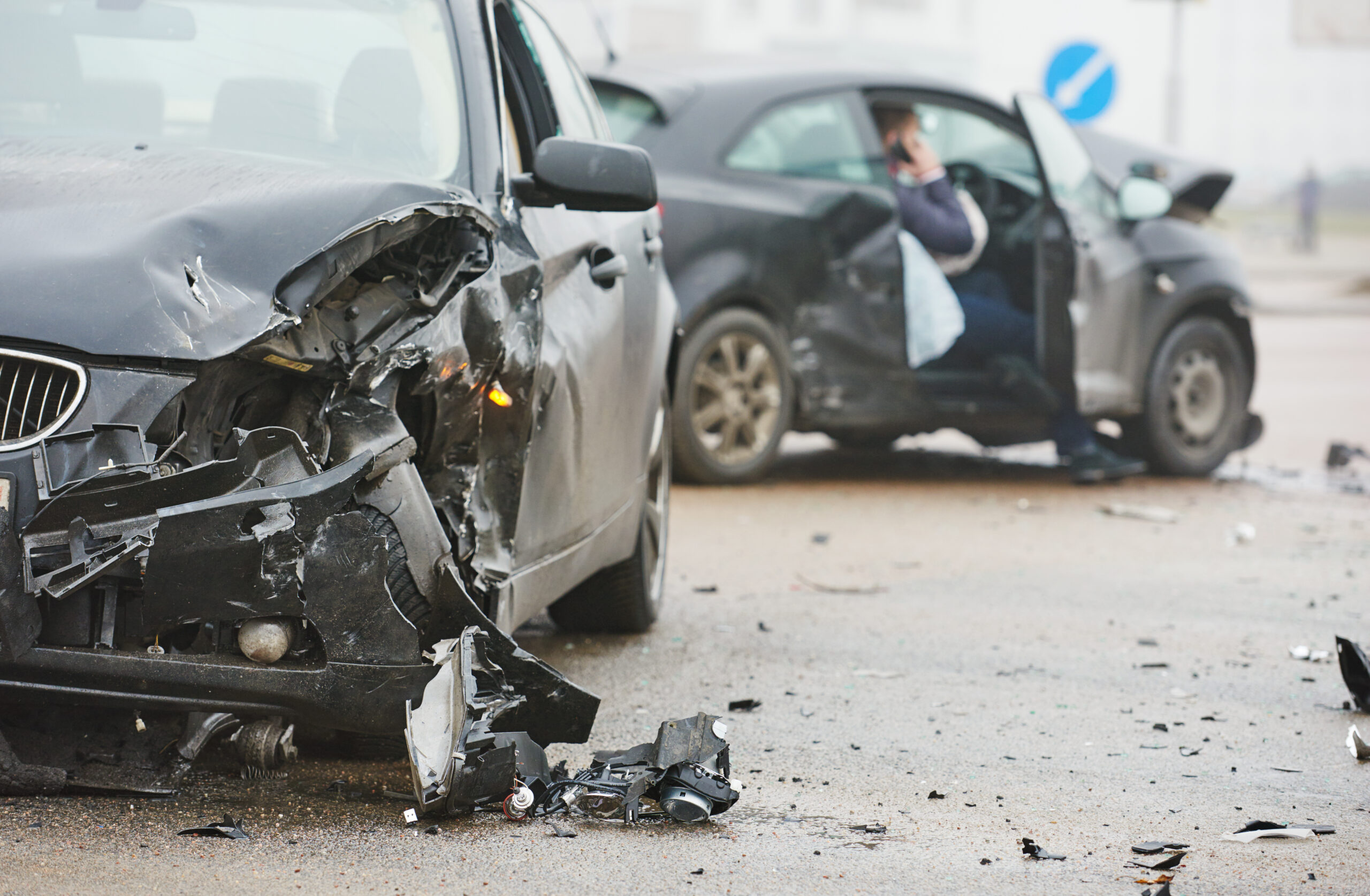
A two-vehicle collision on Interstate 664 near Portsmouth Boulevard in Chesapeake, Virginia, sent one man to the hospital on Thursday morning, October 22, 2026.
According to Virginia State Police, the crash temporarily closed all southbound lanes of I-664 during the morning commute, causing traffic to back up for approximately two miles.
The man reportedly suffered a minor injury and was transported to the hospital for treatment. Authorities have not publicly identified what caused the Chesapeake I-664 crash or whether any citations were issued.
What Happened on I-664 Near Portsmouth Boulevard?
Virginia State Police reported that two vehicles collided on southbound I-664 near Portsmouth Boulevard at approximately 7:46 a.m. on October 22.
The collision occurred during the morning commute and temporarily shut down all southbound travel lanes.
Traffic backed up for as much as two miles while emergency personnel responded and worked to clear the roadway.
One man suffered an injury described as minor and was transported to a hospital for treatment.
Authorities have not released additional information about the man’s condition or the specific nature of his injury.
Police also have not publicly identified what caused the collision or whether either driver received a citation.
The available reporting does not establish which driver, if either, was responsible for the crash.
How Interstate Crashes Can Disrupt Morning Traffic
I-664 is part of the Hampton Roads Beltway and provides an important connection between Chesapeake, Suffolk, and communities on the Peninsula.
Interstate interchanges, including the area near Portsmouth Boulevard, require motorists to navigate merging traffic, changing speeds, and vehicles entering or exiting the highway.
When a collision blocks multiple travel lanes, approaching motorists may encounter sudden congestion.
Emergency personnel may also need to restrict traffic while providing medical assistance, evaluating vehicle damage, and clearing the roadway.
Even a collision involving only two vehicles can create significant delays when it occurs along a heavily traveled interstate.
In the October 22 crash, the closure of southbound I-664 caused traffic to back up for approximately two miles.
Although the collision disrupted the morning commute, investigators have not publicly identified what caused it.
Why Injuries Described as Minor Still Deserve Attention
Initial accident reports sometimes describe injuries as minor or non-life-threatening.
These descriptions provide a general indication of the person’s reported condition but do not necessarily explain the full extent of the injury or the treatment required.
Some individuals experience discomfort or other symptoms that become more noticeable after a collision.
Depending on the circumstances, medical evaluation may be necessary to identify injuries and determine whether additional treatment is appropriate.
In the October 22 Chesapeake collision, authorities confirmed that one man was hospitalized with a reported minor injury.
However, the available reporting does not identify his specific diagnosis, treatment, or expected recovery.
It would be premature to assume that he suffered a particular injury or will experience long-term complications.
Our Chesapeake injury information page provides additional information about injuries that may result from motor vehicle collisions.
Virginia Traffic Laws That May Apply to Interstate Collisions
Virginia law establishes several requirements intended to promote safe driving on highways.
Depending on how a collision occurs, investigators may examine whether drivers complied with laws governing following distance, lane changes, and general vehicle operation.
Following-Distance Requirements
Under Virginia Code § 46.2-816, drivers may not follow another vehicle more closely than is reasonable and prudent.
The statute considers factors such as vehicle speed, traffic conditions, and the condition of the highway.
Following distance may become relevant when a collision involves vehicles traveling in the same direction.
However, the fact that two vehicles collided does not establish that either driver was following too closely.
Lane Usage and Safe Merging
Virginia Code § 46.2-804 generally requires drivers on roads with clearly marked lanes to remain within a single lane as nearly as practicable.
Drivers must also determine that a lane movement can be made safely before changing lanes.
These requirements can become important when investigators examine collisions near highway entrances, exits, and interchanges.
However, authorities have not reported that an unsafe lane change or merging maneuver caused the October 22 collision.
Reckless Driving
Virginia Code § 46.2-852 addresses reckless driving that endangers life, limb, or property.
Whether a driver’s conduct meets the legal requirements for reckless driving depends on the specific circumstances.
A collision alone does not establish that a driver committed this offense.
Police have not publicly announced any citations or charges in connection with the I-664 crash.
How Investigators Determine Responsibility After a Two-Vehicle Crash
Determining what caused a motor vehicle collision may require reviewing several forms of evidence.
Depending on the circumstances, investigators may examine:
- Vehicle damage: Damage patterns may help establish how the vehicles collided.
- Roadway evidence: Tire marks, debris, and vehicle positions may provide information about the sequence of events.
- Driver statements: Accounts from the people involved may help investigators understand what occurred.
- Witness observations: Other motorists may have seen the vehicles before the collision.
- Available recordings: Traffic cameras or dashboard cameras may provide additional information.
Investigators evaluate the available evidence to determine whether a traffic violation occurred and whether further action is appropriate.
However, police findings and civil liability determinations are not necessarily identical.
A personal injury claim generally requires evidence establishing that another party’s legally actionable conduct caused the claimant’s injuries.
The available reporting does not identify which investigative methods Virginia State Police have used in the October 22 collision.
How Virginia’s Contributory Negligence Rule Affects Car Accident Claims
Virginia follows a contributory negligence rule that can significantly affect personal injury claims.
Under this rule, an injured person’s own negligence may bar recovery if that negligence contributed to causing the collision or resulting injuries, subject to applicable exceptions.
This makes evidence about the actions of each driver particularly important.
However, simply being involved in a collision does not establish contributory negligence.
There must be a legally relevant connection between the injured person’s negligent conduct and the accident or resulting harm.
In the October 22 I-664 crash, authorities have not publicly determined what caused the collision.
It would therefore be premature to assign legal responsibility to either driver.
Our article on Virginia’s contributory negligence rule explains this legal standard in greater detail.
Insurance Coverage After a Two-Vehicle Collision
When another driver’s negligence causes a collision, that driver’s applicable automobile liability insurance may provide compensation for covered injuries and losses.
However, insurance coverage depends on the circumstances and terms of the relevant policies.
If a responsible driver has no insurance or insufficient coverage, uninsured or underinsured motorist coverage may become relevant.
Virginia Code § 38.2-2206 governs uninsured and underinsured motorist coverage for policies subject to its provisions.
Determining which coverage applies may require reviewing the available insurance policies and evidence concerning responsibility for the accident.
What Compensation May Be Available After an Interstate Crash?
When a person’s injuries result from another party’s negligence, compensation may be available for qualifying losses.
Depending on the circumstances, recoverable damages may include:
- Emergency medical treatment and hospital expenses
- Follow-up appointments and rehabilitation
- Prescription medications and related treatment costs
- Lost wages resulting from missed work
- Reduced earning capacity when supported by evidence
- Vehicle repair or replacement expenses
- Physical pain and suffering
- Other legally recoverable accident-related losses
The amount and availability of compensation depend on the injuries, supporting evidence, insurance coverage, and applicable Virginia law.
An injury does not necessarily have to be life-threatening to support a personal injury claim.
However, the available reporting does not establish the extent of the hospitalized man’s medical expenses or whether he will experience additional losses.
Getting a Vehicle Repaired After a Collision
Motor vehicle collisions can leave drivers facing repair expenses, towing costs, and transportation problems.
Depending on the circumstances, applicable insurance coverage may help pay for repairs or the value of a vehicle declared a total loss.
Rental vehicle expenses or other qualifying loss-of-use damages may also be recoverable.
Drivers should preserve photographs of vehicle damage, written repair estimates, towing receipts, and insurance correspondence.
When possible, they should also coordinate necessary inspections with the applicable insurance company before completing nonemergency repairs.
If a vehicle cannot be driven safely, arranging appropriate towing or transportation should take priority.
What to Do After an Interstate Accident
A collision on a busy interstate can create immediate safety concerns and leave motorists uncertain about what steps to take.
Several actions may help protect personal safety and preserve important information.
1. Prioritize Safety and Call for Help
Call 911 when emergency assistance is needed.
Follow instructions from emergency responders and avoid entering active traffic.
If the vehicle is in a dangerous location, follow applicable emergency guidance and move only when it is safe to do so.
2. Seek Appropriate Medical Care
Obtain medical evaluation for injuries or concerning symptoms.
Describe symptoms accurately and follow recommended treatment.
3. Exchange Information
When it is safe and possible, obtain the other driver’s contact information, vehicle registration details, and insurance information.
4. Document the Collision
Photograph vehicle damage, roadway conditions, and other relevant details when doing so is safe.
Avoid interfering with emergency personnel or traffic.
5. Preserve Medical and Financial Records
Keep medical bills, treatment records, repair estimates, receipts, and documentation of missed work.
These records may become important if an injury or property damage claim is pursued.
6. Notify Your Insurance Company
Report the collision as required by your policy and comply with applicable cooperation requirements.
Provide accurate information without speculating about the cause of the crash.
Virginia Filing Deadlines for Car Accident Claims
Under Virginia Code § 8.01-243(A), most personal injury lawsuits in Virginia must be filed within two years after the cause of action accrues, subject to applicable exceptions.
For lawsuits involving injury to property, Virginia Code § 8.01-243(B) generally establishes a five-year filing period.
These statutory deadlines are separate from insurance policy requirements.
Insurance companies may require notice or cooperation sooner than the deadline for filing a lawsuit.
Preserving relevant evidence early can help motorists understand their options if questions about liability or damages arise.
Frequently Asked Questions
Should I Go to the Hospital if My Injury Seems Minor?
Seek appropriate medical evaluation if you experience pain, dizziness, headaches, or other concerning symptoms after a collision. Some injuries may become more noticeable over time. Medical records can also help document the nature of an injury and any treatment received.
Should I Accept a Quick Settlement for a Minor Injury?
Before accepting a settlement, consider whether you understand the extent of your injuries, medical expenses, and other losses. Signing a release may prevent you from pursuing additional compensation for the same claim, even if new expenses arise later.
Who Investigates Crashes on I-664 in Chesapeake?
Virginia State Police generally investigate collisions on interstate highways, including I-664. Individuals seeking information about a particular collision can contact the investigating agency to ask about available crash reports.
What if the Other Driver Says the Crash Was My Fault?
An allegation of fault does not automatically establish legal responsibility. Evidence such as vehicle damage, witness statements, available recordings, and police findings may help determine what occurred. Virginia’s contributory negligence rule makes the circumstances of each driver’s conduct especially important.
How Long Do I Have to File a Car Accident Lawsuit in Chesapeake?
Most personal injury lawsuits in Virginia must be filed within two years under Virginia Code § 8.01-243(A), subject to exceptions. Lawsuits involving injury to property generally have a five-year deadline. Insurance policies may impose earlier reporting requirements.
Speak With a Chesapeake Car Accident Attorney
Even a collision involving a relatively minor reported injury can leave motorists facing medical expenses, vehicle damage, and questions about insurance coverage.
When the cause of an accident remains under investigation, understanding Virginia’s traffic laws and personal injury rules can help injured individuals evaluate their options.
If you or a loved one was injured in a car accident in Chesapeake, Norfolk, Suffolk, or elsewhere in Hampton Roads, The Stellute Law Firm can help you understand your rights under Virginia law.
Contact The Stellute Law Firm to request a consultation about your circumstances.
Source: WAVY
Map of southbound Interstate 664 near Portsmouth Boulevard in Chesapeake, Virginia, where a two-vehicle collision sent one man to the hospital and temporarily closed all southbound lanes on October 22, 2026.

Related Posts